Top companies trust Zapier to automate work that solves their unique business problems—no coding required.
How Zapier works
Zapier makes it easy to integrate Google Drive with Webhooks by Zapier - no code necessary. See how you can get setup in minutes.
100%
Help
Google Drive
Google Drive
1. Choose trigger event
Webhooks by Zapier
Webhooks by Zapier
2. Choose action
1. Select the event
Setup
Test
Google Drive
Choose a trigger event
Choose a trigger
A trigger is the event that starts your Zap—like a "New File" from Google Drive.
Add your action
An action happens after the trigger—such as "Custom Request" in Webhooks by Zapier.
You’re connected!
Zapier seamlessly connects Google Drive and Webhooks by Zapier, automating your workflow.
Supported triggers and actions
Zapier helps you create workflows that connect your apps to automate repetitive tasks. A trigger is an event that starts a workflow, and an action is an event a Zap performs.
Create a new record or update an existing record in your app.
URL
Required
Payload_type
Data
Wrap Request In Array
File
Unflatten
Basic Auth
Headers
Action
This is an event a Zap performs.
Write
Create a new record or update an existing record in your app.
For AI agents & developers
Use Google Drive and Webhooks by Zapier with AI agents and code
Beyond Zap workflows. Call Google Drive and Webhooks by Zapier actions directly from your AI client or your codebase, using the same 9,000+ app integrations Zapier already runs.
No code
Connect via Zapier MCP
Expose Google Drive and Webhooks by Zapier actions as tools in any MCP client. Authenticate once, then call them in natural language.
Example actions on this page
Copy File
Custom Request
Works with
Claude · ChatGPT · Cursor · any MCP-compatible client
There is no Python package yet. SDK is TypeScript-only (@zapier/zapier-sdk). The MCP server URL is personal to your account; get it at zapier.com/mcp.
Zapier is the automation platform of choice for 87% of Forbes Cloud 100 companies in 2023
93%
Customers who say using Zapier has made them better at their job
25m
Customers have created over 25 million Zaps on the platform
6 mins
The average user takes less than 6 minutes to set up a Zap
Practical ways you can use Google Drive and Webhooks by Zapier
Sync files from a webhook to Google Drive
When a webhook receives new data (e.g., from a form submission or custom app), Zapier automatically uploads the files to a specific Google Drive folder. This ensures quick and clear organization of incoming files, saving time on manual uploads and significantly improving workflow efficiency.
Leverage Zapier to catch webhook events and create text files in Google Drive containing the captured data. This provides a backup or data log system, reducing manual effort and increasing reliability for future data reference or troubleshooting.
When marketing assets (such as images or videos) are sent to a webhook, Zapier uploads them to a designated folder in Google Drive, keeping the marketing team organized and ensuring assets are easy to locate for campaigns.
Learn how to automate Google Drive on the Zapier blog
Learn how to automate Webhooks by Zapier on the Zapier blog
Make work flow with AI
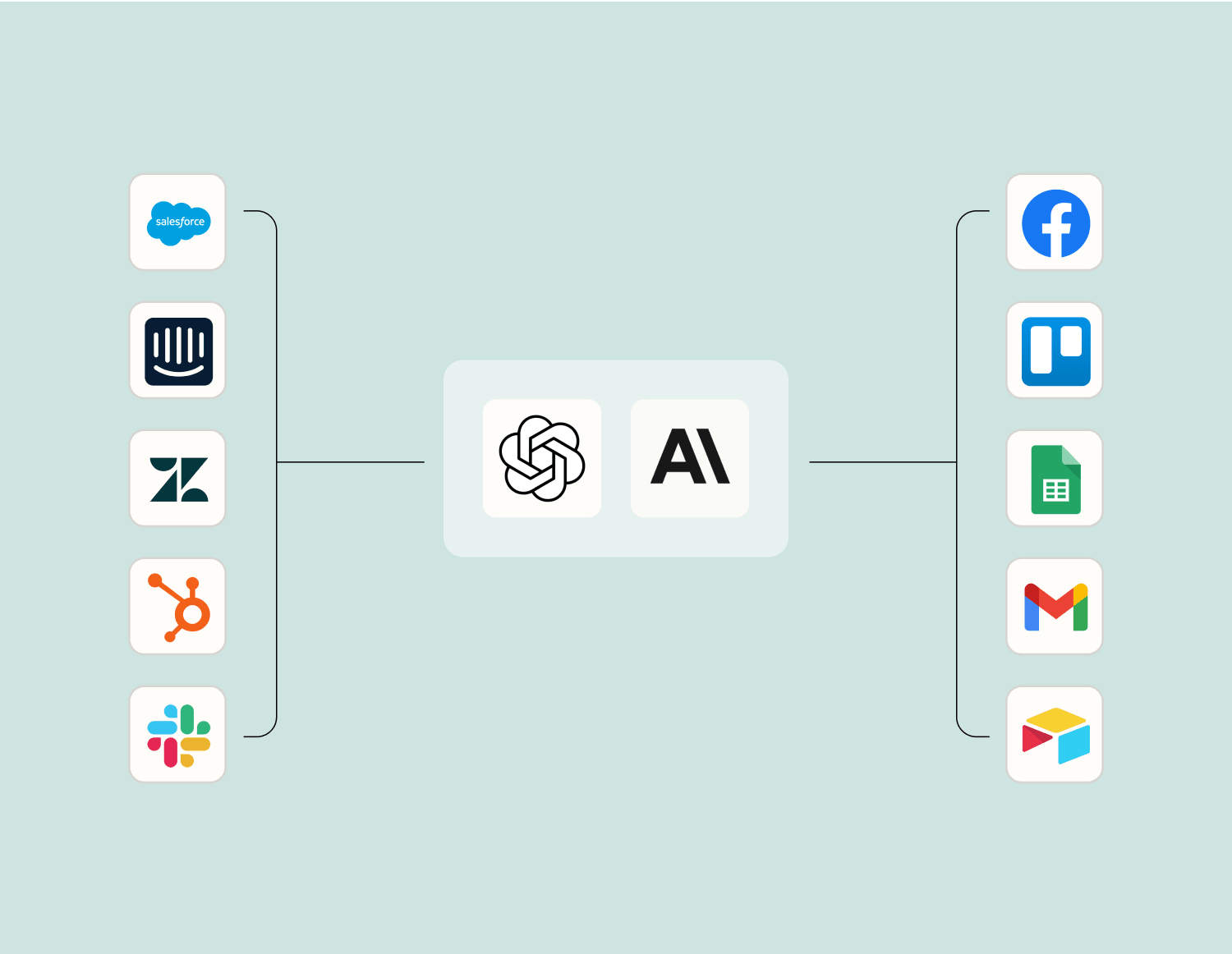
Level up your Google Drive to Webhooks by Zapier integration with AI. Extract, summarize, and transform your integration data with leading AI models like OpenAI, Anthropic, and more.
Frequently Asked Questions about Google Drive + Webhooks by Zapier integrations
New to automation with Zapier? You're not alone. Here are some answers to common questions about how Zapier works with Google Drive and Webhooks by Zapier
How do I set up Google Drive with Webhooks by Zapier?
To set up Google Drive with Webhooks by Zapier, you need to create a Zap that connects your Google Drive account to the Webhooks app. During the setup process, you'll be prompted to authenticate both accounts. You'll then configure triggers and actions specific to your workflow, such as 'New File in Folder' as a trigger and sending a custom webhook payload as the action.
What triggers are available when integrating Google Drive with Webhooks?
When integrating Google Drive with Webhooks by Zapier, you can use triggers like 'New File in Folder', which initiates whenever a new file is added to a specified Google Drive folder. This trigger allows you to automatically send or react to data changes using webhooks.
Can I use outbound webhooks with my Google Drive files?
Yes, you can utilize outbound webhooks for your Google Drive files. For instance, using the 'New File in Folder' trigger from Google Drive, you can set up an action to send file data or metadata through an outbound webhook to another application for further processing or storage.
What kind of data can I include in a webhook payload from Google Drive?
In a webhook payload from Google Drive, you can include information such as file name, size, type (e.g., document, spreadsheet), creation date, and URL link to the file. This allows your workflows connected via webhooks to make informed decisions based on this data.
How do retries work if a webhook fails when using Google's integration?
If a webhook fails when using Google's integration with our platform, we automatically attempt several retries over a period of time. You will receive notifications about these attempts and their statuses until it succeeds or exhausts all retry opportunities.
Are there any limitations on file sizes or types when triggering webhooks from Google Drive?
While there are no explicit limitations from our side regarding file sizes or types when triggering webhooks from Google Drive, keep in mind that very large files might result in longer processing times for certain operations within external applications receiving the data.
How secure is the integration between Google Drive and Webhooks by Zapier?
The integration between Google Drive and Webhooks by Zapier is designed with security in mind. Your data is encrypted during transfers between apps. Moreover, we adhere strictly to security standards and practices recommended by both platforms to keep your workflows secure.
About Google Drive
Google Drive is Google's file sync app that lets you store all of your files online alongside your Google Docs documents, and keep them synced with all of your devices.
Webhooks simply POST data (or JSON) to a specific URL every time we see something new. Webhooks can also accept data (or JSON) to kick off a workflow in Zapier.