Top companies trust Zapier to automate work that solves their unique business problems—no coding required.
How Zapier works
Zapier makes it easy to integrate Trello with Wrike - no code necessary. See how you can get setup in minutes.
100%
Help
Trello
Trello
1. Choose trigger event
Wrike
Wrike
2. Choose action
1. Select the event
Setup
Test
Trello
Choose a trigger event
Choose a trigger
A trigger is the event that starts your Zap—like a "New Board" from Trello.
Add your action
An action happens after the trigger—such as "Create Comment" in Wrike.
You’re connected!
Zapier seamlessly connects Trello and Wrike, automating your workflow.
Supported triggers and actions
Zapier helps you create workflows that connect your apps to automate repetitive tasks. A trigger is an event that starts a workflow, and an action is an event a Zap performs.
Create a new record or update an existing record in your app.
Parent Folder
Required
Title
Required
Description
Start Date
End Date
Contract Type
Share With
Project Owners
Status
Budget
With Invitations?
Metadata
Action
This is an event a Zap performs.
Write
Create a new record or update an existing record in your app.
Folder
Required
Task by Selection
Task by Name
Hours
Required
Date
Comment
Action
This is an event a Zap performs.
Write
Create a new record or update an existing record in your app.
For AI agents & developers
Use Trello and Wrike with AI agents and code
Beyond Zap workflows. Call Trello and Wrike actions directly from your AI client or your codebase, using the same 9,000+ app integrations Zapier already runs.
No code
Connect via Zapier MCP
Expose Trello and Wrike actions as tools in any MCP client. Authenticate once, then call them in natural language.
Example actions on this page
Create Checklist Item in Card
Create Comment
Works with
Claude · ChatGPT · Cursor · any MCP-compatible client
There is no Python package yet. SDK is TypeScript-only (@zapier/zapier-sdk). The MCP server URL is personal to your account; get it at zapier.com/mcp.
Zapier is the automation platform of choice for 87% of Forbes Cloud 100 companies in 2023
93%
Customers who say using Zapier has made them better at their job
25m
Customers have created over 25 million Zaps on the platform
6 mins
The average user takes less than 6 minutes to set up a Zap
Practical ways you can use Trello and Wrike
Track archived Trello cards as completed Wrike tasks
Easily monitor progress by connecting Trello and Wrike. When a Trello card is archived, Zapier marks the corresponding Wrike task as complete to maintain consistency between tools, reducing redundant status updates and improving accuracy of project timelines.
Keep content campaigns aligned by automating the syncing of Trello card comments into related Wrike tasks. When a new comment is added to a Trello card, Zapier creates a comment directly on the corresponding Wrike task so key feedback isn't lost across tools.
Streamline new task coordination between Trello and Wrike
When a new card is created in Trello, Zapier automatically creates a corresponding task in Wrike. This ensures task updates stay synchronized, minimizing miscommunication and saving hours of manual task duplication. Stay on top of projects without switching tools.
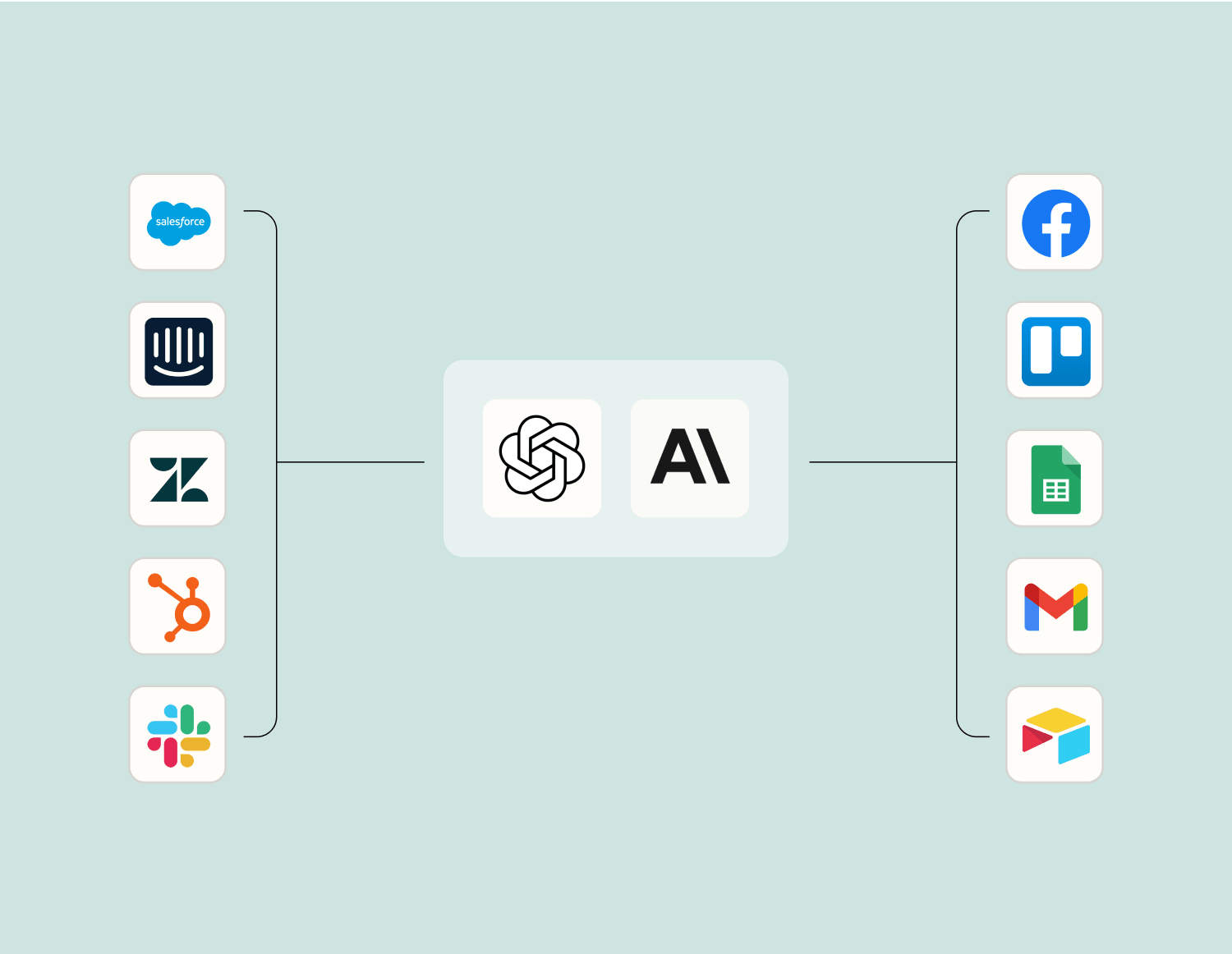
Level up your Trello to Wrike integration with AI. Extract, summarize, and transform your integration data with leading AI models like OpenAI, Anthropic, and more.
Frequently Asked Questions about Trello + Wrike integrations
New to automation with Zapier? You're not alone. Here are some answers to common questions about how Zapier works with Trello and Wrike
How can I sync tasks from Trello to Wrike?
You can sync tasks from Trello to Wrike by setting up an automation where a new Trello card triggers the creation of a task in Wrike. This can be customized to include details like due dates, assignees, and descriptions so that tasks are accurately mirrored between platforms.
Is it possible to update Wrike tasks from Trello card changes?
Yes, whenever there is an update on a Trello card, such as status changes or comments, we can automate it so that these updates reflect directly in the corresponding Wrike task. This keeps both platforms aligned without manual duplication of effort.
Can I create Trello cards from new tasks in Wrike?
Absolutely, whenever a new task is created in Wrike, you can have an automated rule set up where this action triggers the creation of a corresponding card in Trello. You can choose which details appear on the Trello card to ensure consistency across tools.
What types of trigger events are available for integration between Trello and Wrike?
We support various trigger events such as when a card is added or moved in Trello or when a task status changes in Wrike. These triggers help initiate subsequent actions like creating, updating, or deleting tasks/cards across both platforms.
How do we handle duplicate data entries when integrating Trello and Wrike?
To prevent duplicate data entries while integrating Trello with Wrike, we recommend using unique identifiers for each task or card. Automations can be configured to check for these identifiers before performing actions, ensuring that duplicates are not created.
Are there limitations in what information gets transferred between Trello and Wrike?
While most standard fields transfer seamlessly between Trello and Wrike with our integration solutions, some custom fields may require specific mapping configurations. It's important to review which fields need automation based on your workflow needs.
Can comments made on cards in one platform be shown on tasks in the other platform?
Yes, comments added either on a Trello card or a Wrike task can be synchronized so that they appear on the corresponding item on the other platform. This ensures team communication stays coherent regardless of where team members make updates.
About Trello
Trello is a team collaboration tool that lets you organize anything and everything to keep your projects on task.
Wrike is a flexible project management and collaboration platform that enables you to organize your projects, tasks, plans and discussions. It helps you sync your team’s efforts and track your work progress in real time.