Connect Amazon S3 and Clio to power AI-driven automation
- No-code AI automation
- Full audit trails and controls
- SOC 2 and GDPR compliant
- Easy visual workflow builder
- 9,000+ apps, 450+ AI tools
- Free tier available
How Zapier works
Zapier makes it easy to integrate Amazon S3 with Clio - no code necessary. See how you can get setup in minutes.


Choose a trigger
A trigger is the event that starts your Zap—like a "New Bucket" from Amazon S3.
Add your action
An action happens after the trigger—such as "Assign Task Template List" in Clio.
You’re connected!
Zapier seamlessly connects Amazon S3 and Clio, automating your workflow.
Supported triggers and actions
Zapier helps you create workflows that connect your apps to automate repetitive tasks. A trigger is an event that starts a workflow, and an action is an event a Zap performs.
- New Bucket
Triggers when you add a new bucket.
Try ItTriggerPolling - Bucket NameRequired
ActionWrite- Bucket_name
- KeyRequired
- Keep_leading_slash
- ContentRequired
ActionWrite- New Activity
Triggers when a new activity is created.
Try ItTriggerInstant
- BucketRequired
- Folder
Try ItTriggerPolling- Bucket_name
- KeyRequired
- Keep_leading_slash
- FileRequired
- Mimetype
ActionWrite- S3 UrlRequired
ActionSearch- New Bill
Triggers when a new bill is created.
Try ItTriggerInstant
For AI agents & developers
Use Amazon S3 and Clio with AI agents and code
Beyond Zap workflows. Call Amazon S3 and Clio actions directly from your AI client or your codebase, using the same 9,000+ app integrations Zapier already runs.
Connect via Zapier MCP
Expose Amazon S3 and Clio actions as tools in any MCP client. Authenticate once, then call them in natural language.
Example actions on this page
Works with
Claude · ChatGPT · Cursor · any MCP-compatible client
Call from code with the Zapier SDK
Trigger Amazon S3 and Clio actions from backend services, scripts, or agent code.
Install
# TypeScript / Node
npm install @zapier/zapier-sdk
Run an action
import { createZapierSdk } from '@zapier/zapier-sdk';

const zapier = createZapierSdk();
await zapier.runAction({ /* amazon-s3 / clio action */ });There is no Python package yet. SDK is TypeScript-only (@zapier/zapier-sdk). The MCP server URL is personal to your account; get it at zapier.com/mcp.
Zapier is the automation platform of choice for 87% of Forbes Cloud 100 companies in 2023




93%
Customers who say using Zapier has made them better at their job
25m
Customers have created over 25 million Zaps on the platform
6 mins
The average user takes less than 6 minutes to set up a Zap
Connect Amazon S3 and Clio to integrate crucial parts of your business
With Zapier, you can integrate everything from basic data entry to end-to-end processes. Here are some of the business-critical workflows that people automate with Zapier.
Automate your lead management and improve conversions
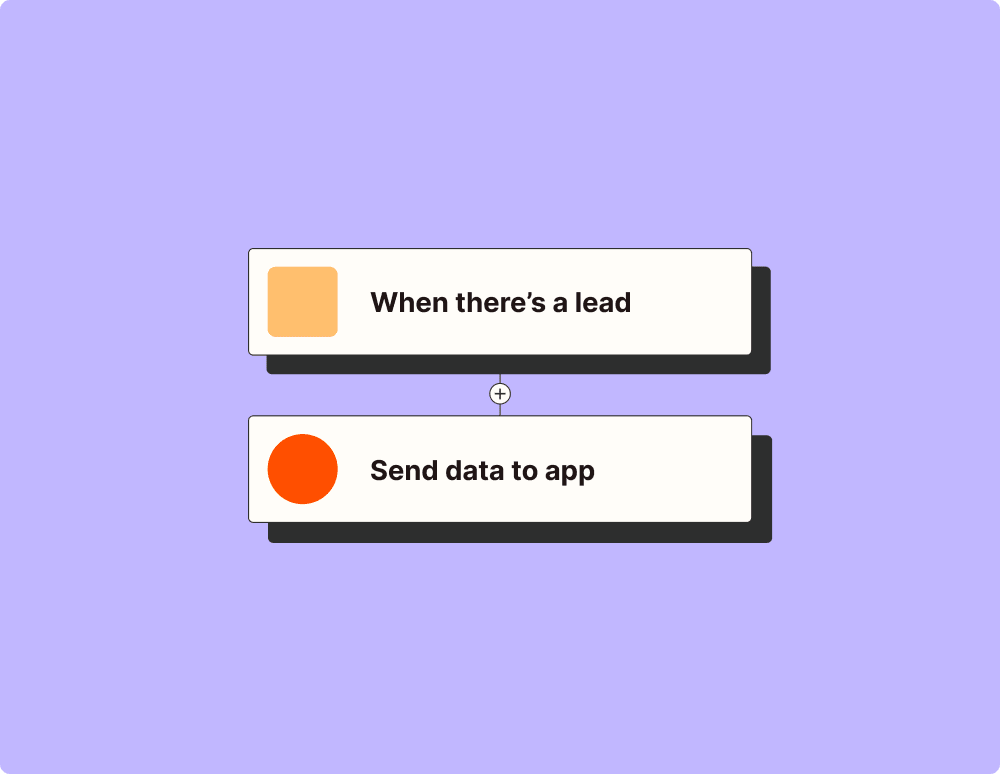
Create more impactful campaigns with automation

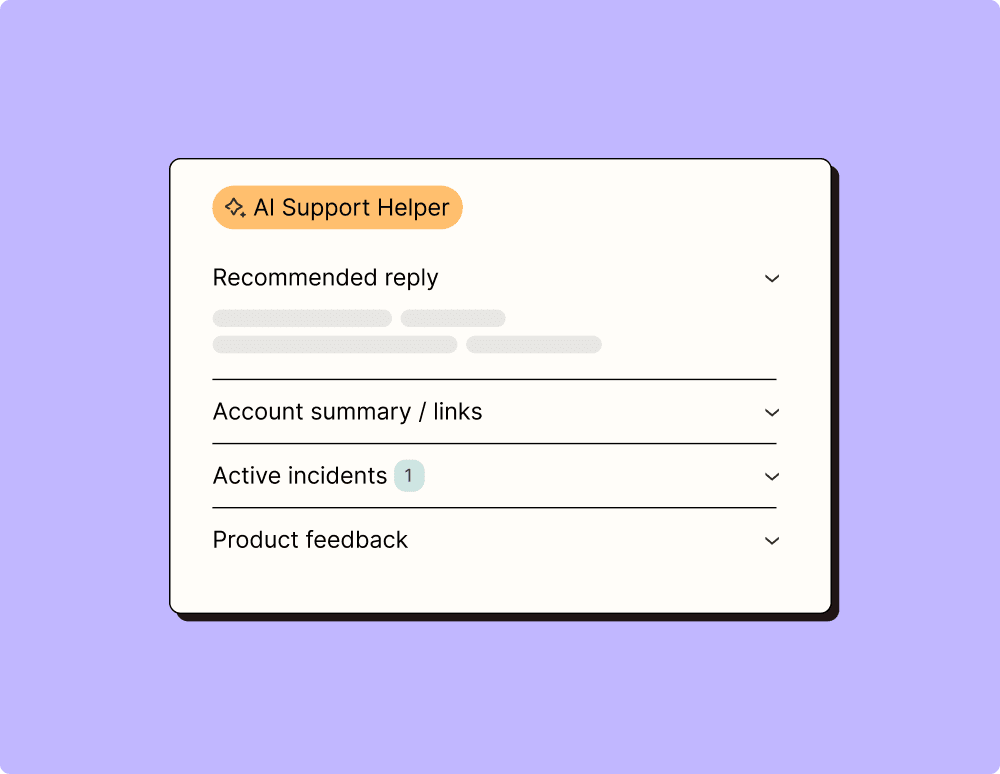
Provide world-class support with a little help from automation
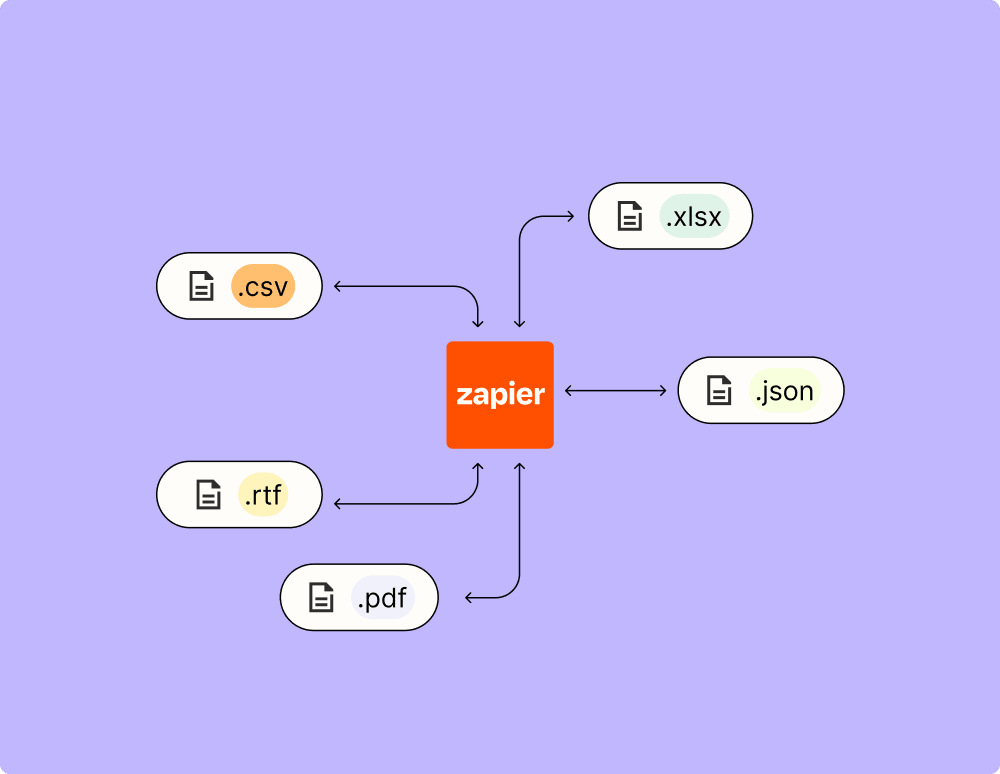
Automate your way to actionable, up-to-date data
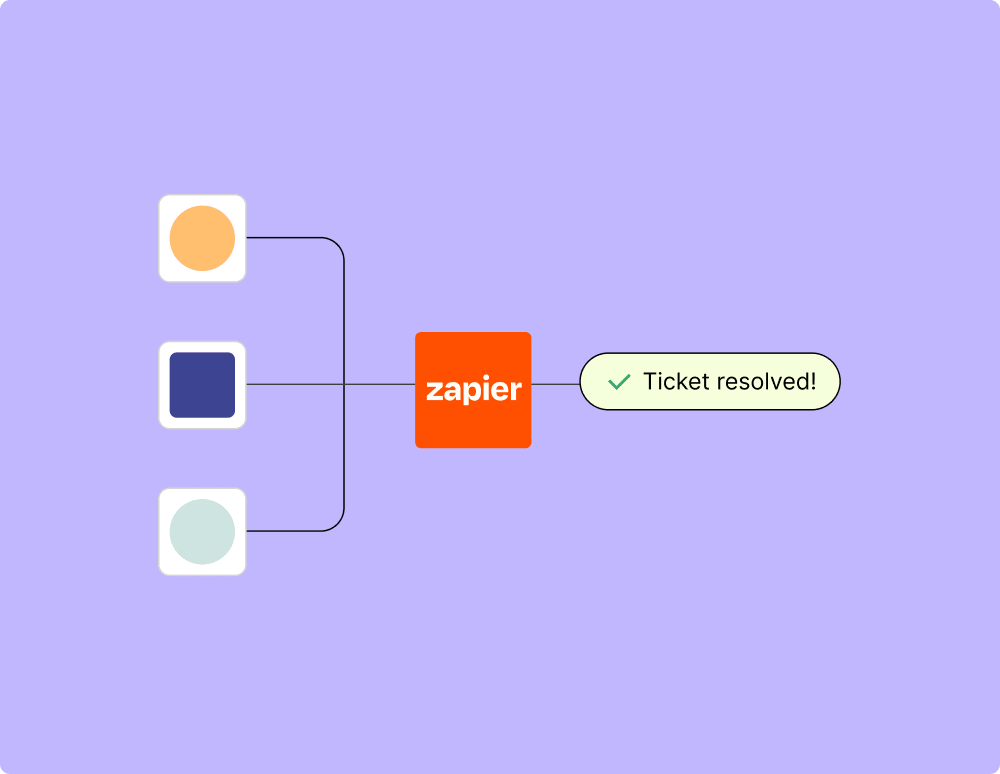
Resolve incidents faster with automation
Learn how to automate Amazon S3 on the Zapier blog
Make work flow with AI
Frequently Asked Questions about Amazon S3 + Clio integrations
New to automation with Zapier? You're not alone. Here are some answers to common questions about how Zapier works with Amazon S3 and Clio
How do I integrate Amazon S3 with Clio?
To integrate Amazon S3 with Clio, you need to set up automated workflows that connect the two applications. This typically involves using triggers from one app and actions on the other to automate tasks between them. You can set up triggers like a new file uploaded in Amazon S3 to create a new document in Clio.
What are some common triggers in Amazon S3 for integration?
Some common triggers for integration include 'New File Added', 'File Updated', or 'File Deleted'. You can use these triggers to automate actions such as updating client information or retrieving and storing data in Clio.
Can I automatically upload files from Clio to Amazon S3?
Yes, by setting an action like 'Upload File' in your workflow, files created or updated in Clio can be automatically uploaded to a designated bucket in your Amazon S3 account.
How do I manage deleted files between Amazon S3 and Clio?
You can set up automation where if a file is deleted from Amazon S3, a corresponding action occurs in Clio, such as archiving or noting the deletion within the client's record.
Is it possible to update client documents on Clio using an upload trigger from Amazon S3?
Absolutely. By utilizing 'New File Uploaded' as a trigger in Amazon S3, you can automate the updating of client documents within Clio, ensuring all records are current with minimal manual intervention.
What type of files will transfer between Clio and Amazon S3 during integration?
The integration supports several types of files including documents, spreadsheets, PDFs, images, and legal forms. It's important that both platforms recognize the file type for seamless transfer.
Are there any size limitations on uploads from Clio to Amazon S3 through this integration?
While our platform facilitates smooth integrations between apps like Clio and Amazon S3, it's crucial to adhere to the file size limits imposed by both applications. This ensures optimal performance without interruptions.