Top companies trust Zapier to automate work that solves their unique business problems—no coding required.
How Zapier works
Zapier makes it easy to integrate Shopify with Zenoti - no code necessary. See how you can get setup in minutes.
100%
Help
Shopify
Shopify
1. Choose trigger event
Zenoti
Zenoti
2. Choose action
1. Select the event
Setup
Test
Shopify
Choose a trigger event
Choose a trigger
A trigger is the event that starts your Zap—like a "New Blog" from Shopify.
Add your action
An action happens after the trigger—such as "Add Employee Security Role" in Zenoti.
You’re connected!
Zapier seamlessly connects Shopify and Zenoti, automating your workflow.
Supported triggers and actions
Zapier helps you create workflows that connect your apps to automate repetitive tasks. A trigger is an event that starts a workflow, and an action is an event a Zap performs.
New Blog
Triggers when a new blog is added to your Shopify store.
This API retrieves the list of all centers associated with the currently authenticated employee. It ensures that the response is scoped only to the centers the logged-in user has access to, based on their roles, permissions, or organizational mapping.
Create a new record or update an existing record in your app.
Code
Center
Required
Is Consultant?
First Name
Required
Last Name
Required
Email ID
Required
Gender
Date Of Birth
Mobile Number
Required
Mobile Country Code
Address1
Address 2
City
Country ID
State ID
Zip Code
User Name
Required
Job ID
Action
This is an event a Zap performs.
Write
Create a new record or update an existing record in your app.
Center
Required
User code
Username
First Name
Required
Last Name
Email ID
Nationality
Gender
Date Of Birth
Mobile Country Code
Number
Address 1
City
Country ID
State ID
Zip Code
Primary Employee
Referral Source
Receive Transactional Email
Receive Transactional Sms
Receive Marketing Email
Receive Marketing Sms
Tags
Action
This is an event a Zap performs.
Write
Create a new record or update an existing record in your app.
Center ID
Required
Opportunity Title
Required
Opportunity Description
Opportunity Owner ID
Guest ID
Required
Employee ID
Required
Priority
Type
Follow-Up date
Required
Expected close date
Listed amount
Offered amount
Action
This is an event a Zap performs.
Write
Create a new record or update an existing record in your app.
Employee
Required
Block Out Time ID
Required
Center
Required
Block Out Time Type
Required
Start Time
Required
End Time
Required
Notes
Mode
Is Recurring?
Action
This is an event a Zap performs.
Write
Create a new record or update an existing record in your app.
Guest ID
Required
Action
This is an event a Zap performs.
Search
Find existing data in your app
Guest ID
Required
Center
Required
User code
Username
First Name
Required
Last Name
Email ID
Nationality
Gender
Date Of Birth
Mobile Country Code
Number
Address 1
City
Country ID
State ID
Zip Code
Primary Employee
Referral Source
Receive Transactional Email
Receive Transactional Sms
Receive Marketing Email
Receive Marketing Sms
Tags
Action
This is an event a Zap performs.
Search or write
Find existing data in your app, or create a new record if no data is found
For AI agents & developers
Use Shopify and Zenoti with AI agents and code
Beyond Zap workflows. Call Shopify and Zenoti actions directly from your AI client or your codebase, using the same 9,000+ app integrations Zapier already runs.
No code
Connect via Zapier MCP
Expose Shopify and Zenoti actions as tools in any MCP client. Authenticate once, then call them in natural language.
Example actions on this page
Add Line Item to Order
Add Employee Security Role
Works with
Claude · ChatGPT · Cursor · any MCP-compatible client
There is no Python package yet. SDK is TypeScript-only (@zapier/zapier-sdk). The MCP server URL is personal to your account; get it at zapier.com/mcp.
Zapier is the automation platform of choice for 87% of Forbes Cloud 100 companies in 2023
93%
Customers who say using Zapier has made them better at their job
25m
Customers have created over 25 million Zaps on the platform
6 mins
The average user takes less than 6 minutes to set up a Zap
Connect Shopify and Zenoti to integrate crucial parts of your business
With Zapier, you can integrate everything from basic data entry to end-to-end processes. Here are some of the business-critical workflows that people automate with Zapier.
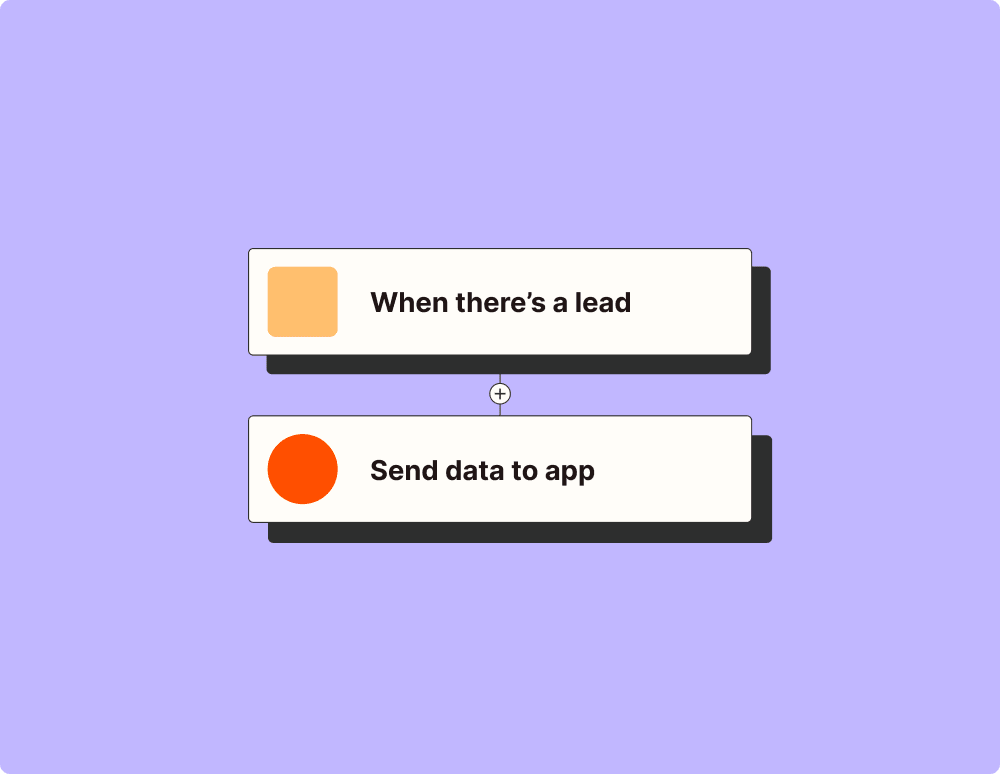
Automate your lead management and improve conversions
With Zapier, you can automate every part of your lead funnel and give yourself the best chance at converting leads. Automate everything from lead capture to outreach to reporting—and close more deals as a result.
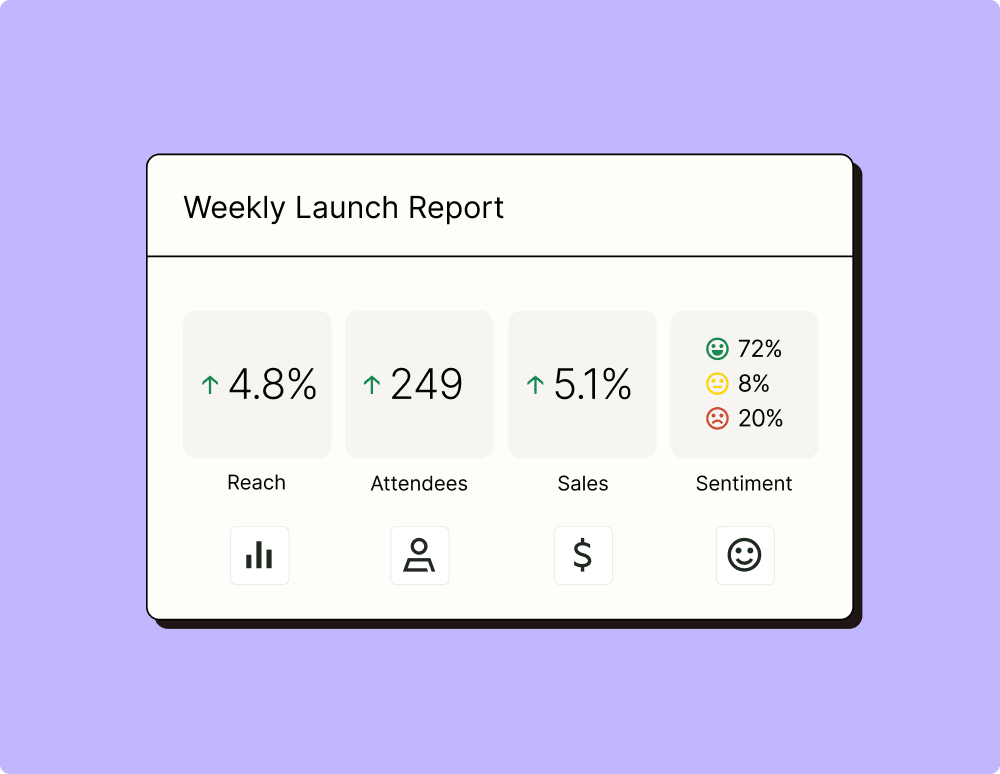
Create more impactful campaigns with automation
Measuring campaign performance across platforms can get chaotic. Plus, digging up the right metrics costs you precious time and effort. With Zapier, you can create a centralized view of your performance, skillfully manage your lists, and ensure your campaigns drive ROI across the business.
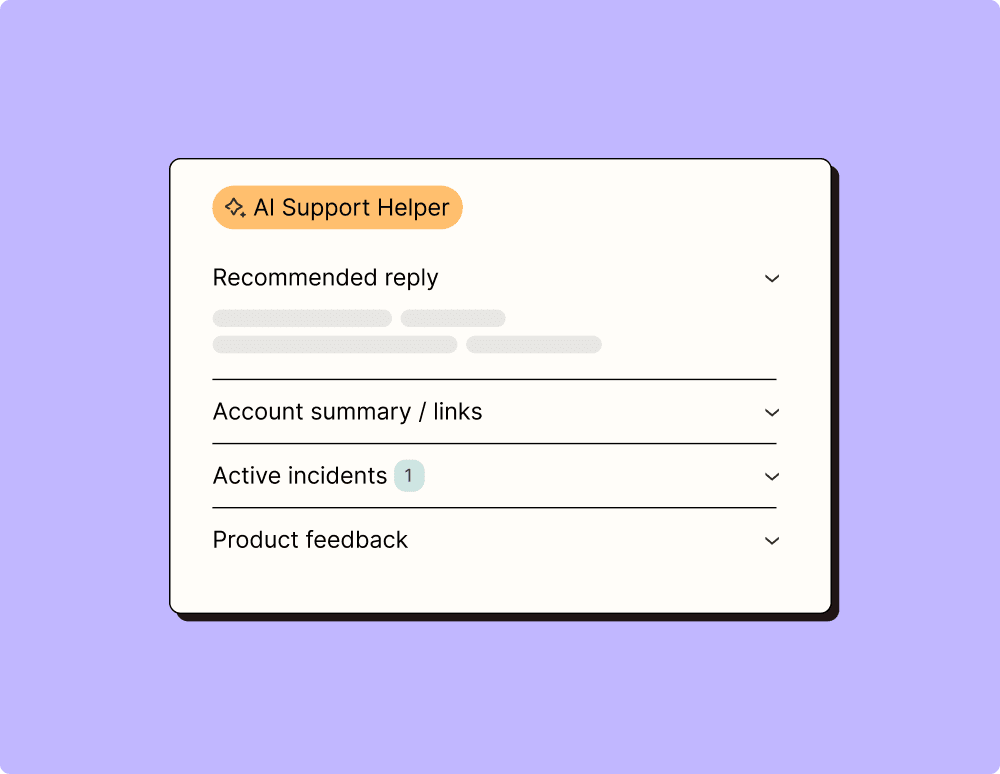
Provide world-class support with a little help from automation
Support reps can't be productive when they have to track down crucial information for every incident or ticket. With Zapier, you can automatically send your reps the context they need to resolve tickets quickly and create a seamless customer experience.
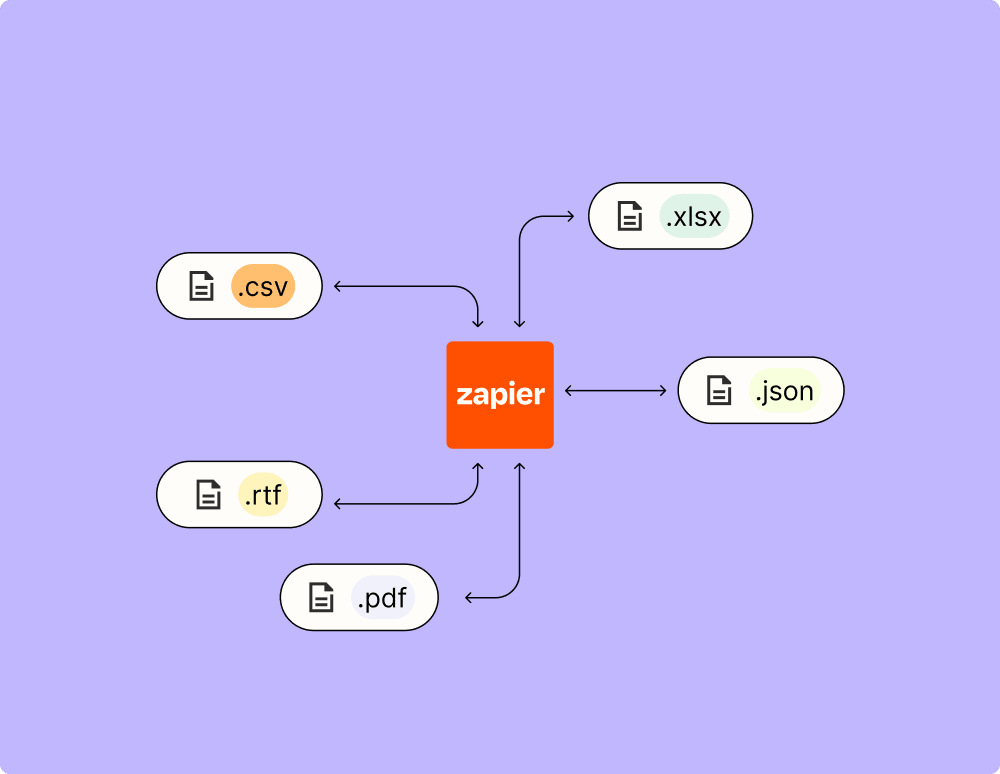
Automate your way to actionable, up-to-date data
The days of manually exporting and importing data are over. With Zapier, you can send data where it needs to go, in the format you need it—so you can centralize your data and unlock more insights.
Resolve incidents faster with automation
Your technical support team wants to focus on tech tickets rather than admin work. With Zapier, you can automate everything from ticket creation to routing to inter-team communication—eliminating friction from incident management and increasing speed to resolution.
Learn how to automate Shopify on the Zapier blog
Make work flow with AI
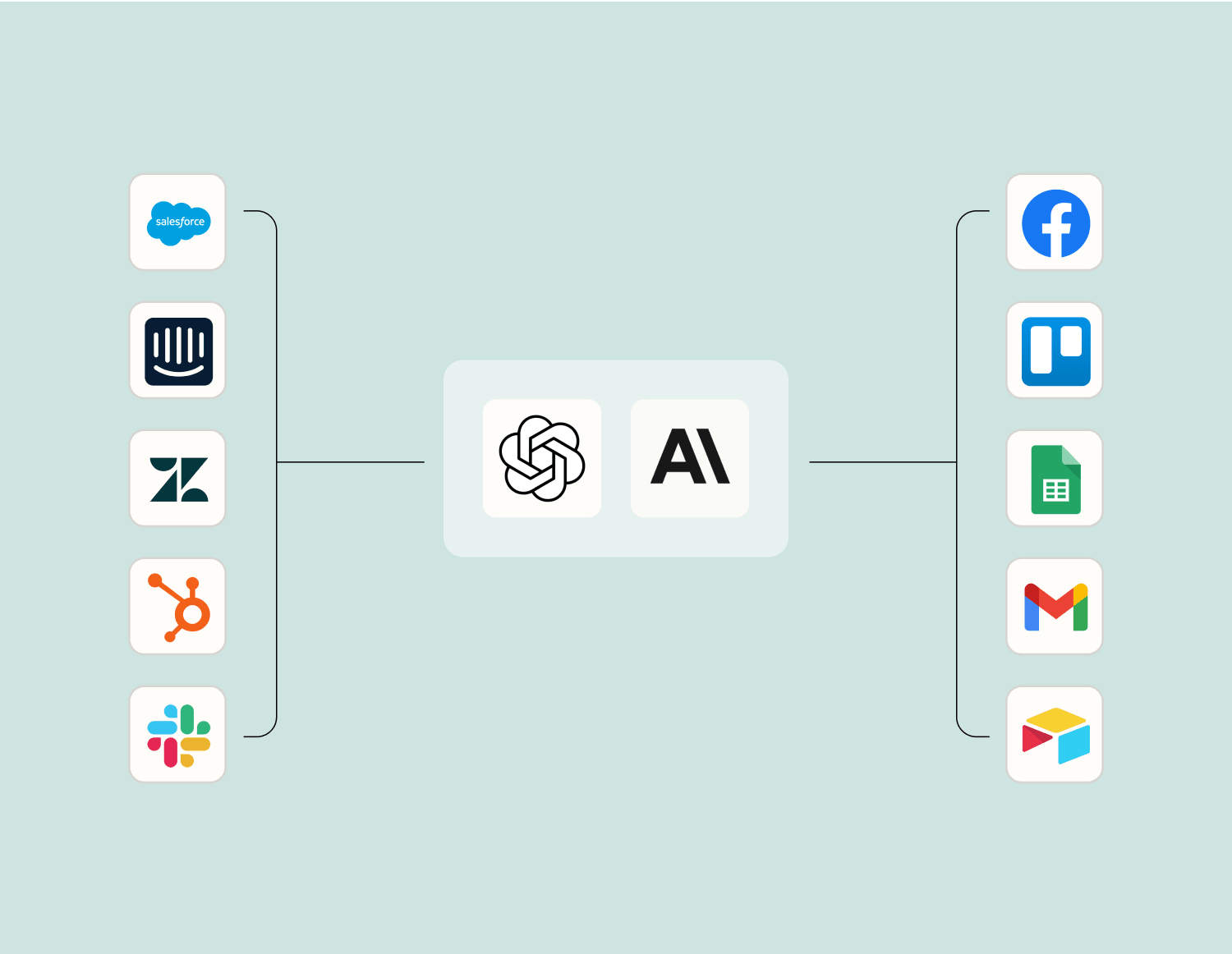
Level up your Shopify to Zenoti integration with AI. Extract, summarize, and transform your integration data with leading AI models like OpenAI, Anthropic, and more.
Frequently Asked Questions about Shopify + Zenoti integrations
New to automation with Zapier? You're not alone. Here are some answers to common questions about how Zapier works with Shopify and Zenoti
How do I connect Shopify to Zenoti using Zapier?
To connect Shopify to Zenoti using Zapier, you'll need accounts on both platforms as well as a Zapier account. Begin by creating a zap in Zapier, with Shopify as the trigger app. You can choose triggers like 'New Paid Order' or 'New Product' in Shopify, and then select actions in Zenoti, such as 'Create New Client' or 'Add Appointment'. Follow the setup instructions in Zapier to authenticate both Shopify and Zenoti and map your data fields.
What are some popular triggers for this integration?
When integrating Shopify with Zenoti, popular triggers include 'New Order', 'Order Paid', and 'Product Update' from Shopify. These can automatically initiate actions such as 'Create Customer Profile' or 'Book Service Appointment' in Zenoti.
Can I update a customer's information in Zenoti when an order is placed on Shopify?
Yes, by setting up an automation where the trigger is 'New Order' in Shopify, you can update or create a customer profile in Zenoti with the order information. This ensures customer data remains consistent across both platforms.
Is it possible to manage inventory across both platforms?
While direct inventory management between Shopify and Zenoti isn't typically covered through standard zaps, you can use triggers like 'Product Update' from Shopify to activate updates within your business processes that reflect inventory changes manually or semi-automatically.
How can I track appointments made via orders on my online store?
You can set up zaps where an order in your Shopify store acts as a trigger that leads to creating an appointment booking in Zenoti. For example, use the 'Order Paid' trigger from Shopify and connect it with the 'Create Appointment' action in Zenoti.
Are there any limitations when syncing data between these two services?
While there aren't significant limitations when syncing common fields such as customer information or appointments, keep in mind that highly customized fields and certain complex workflows may require advanced setup or even custom scripts.
What should I do if the integration is not functioning correctly?
First, verify that all connections – including app authentication for both Shopify and Zenoti – are correctly configured within Zapier. If issues persist, consult our help documentation for troubleshooting tips or reach out for support assistance.
About Shopify
Shopify is a simple way to create an online store to list products, collect credit card payments, and ship your goods.