Top companies trust Zapier to automate work that solves their unique business problems—no coding required.
How Zapier works
Zapier makes it easy to integrate Google Sheets with Microsoft SharePoint - no code necessary. See how you can get setup in minutes.
100%
Help
Google Sheets
Google Sheets
1. Choose trigger event
Microsoft SharePoint
Microsoft SharePoint
2. Choose action
1. Select the event
Setup
Test
Google Sheets
Choose a trigger event
Choose a trigger
A trigger is the event that starts your Zap—like a "New Spreadsheet Row (Team Drive)" from Google Sheets.
Add your action
An action happens after the trigger—such as "Copy File or Folder" in Microsoft SharePoint.
You’re connected!
Zapier seamlessly connects Google Sheets and Microsoft SharePoint, automating your workflow.
Supported triggers and actions
Zapier helps you create workflows that connect your apps to automate repetitive tasks. A trigger is an event that starts a workflow, and an action is an event a Zap performs.
Create a new record or update an existing record in your app.
Site
List Name
Required
Description
List Template
Action
This is an event a Zap performs.
Write
Create a new record or update an existing record in your app.
Site
Required
Title
Required
URL Name
Description
Page Layout
Action
This is an event a Zap performs.
Write
Create a new record or update an existing record in your app.
Site
Required
Document Library
Required
Browse to Folder
File or Folder to Share
Required
Permission
Who Can Access
Expiration Date
Action
This is an event a Zap performs.
Write
Create a new record or update an existing record in your app.
Copy
Site
Required
Document Library
Required
Folder
File or Folder ID
Required
Action
This is an event a Zap performs.
Write
Create a new record or update an existing record in your app.
Copy
Site
Required
Page
Required
Action
This is an event a Zap performs.
Write
Create a new record or update an existing record in your app.
Copy
Site
Required
Document Library
Required
Item
Required
Folder
New name
Action
This is an event a Zap performs.
Write
Create a new record or update an existing record in your app.
Site
Required
Document Library
Required
Browse to Folder
File or Folder
Required
Email Address
Permission ID
Action
This is an event a Zap performs.
Write
Create a new record or update an existing record in your app.
Site
Required
List
Required
List Item ID
Required
ETag
Action
This is an event a Zap performs.
Write
Create a new record or update an existing record in your app.
Stop on error
Required
HTTP Method
Required
URL
Required
Query string parameters
Additional request headers
Body
Action
This is an event a Zap performs.
Write
Create a new record or update an existing record in your app.
Site
Required
List
Required
Action
This is an event a Zap performs.
Search
Find existing data in your app
Info
Monitor URL
Required
Action
This is an event a Zap performs.
Search
Find existing data in your app
Copy
Site
Required
Document Library
Required
Folder
Required
Action
This is an event a Zap performs.
Search
Find existing data in your app
Site
Required
List
Required
List Item ID
Required
Action
This is an event a Zap performs.
Search
Find existing data in your app
Site
Action
This is an event a Zap performs.
Search
Find existing data in your app
For AI agents & developers
Use Google Sheets and Microsoft SharePoint with AI agents and code
Beyond Zap workflows. Call Google Sheets and Microsoft SharePoint actions directly from your AI client or your codebase, using the same 9,000+ app integrations Zapier already runs.
No code
Connect via Zapier MCP
Expose Google Sheets and Microsoft SharePoint actions as tools in any MCP client. Authenticate once, then call them in natural language.
Example actions on this page
Create Spreadsheet Column
Copy File or Folder
Works with
Claude · ChatGPT · Cursor · any MCP-compatible client
There is no Python package yet. SDK is TypeScript-only (@zapier/zapier-sdk). The MCP server URL is personal to your account; get it at zapier.com/mcp.
Zapier is the automation platform of choice for 87% of Forbes Cloud 100 companies in 2023
93%
Customers who say using Zapier has made them better at their job
25m
Customers have created over 25 million Zaps on the platform
6 mins
The average user takes less than 6 minutes to set up a Zap
Practical ways you can use Google Sheets and Microsoft SharePoint
Track SharePoint task progress in Google Sheets.
When a new list item is updated in SharePoint, Zapier updates a corresponding row in Google Sheets. This keeps task progress centralized in Google Sheets, improving visibility and simplifying project tracking.
When new files are added to a SharePoint folder, Zapier automatically logs the file details to a Google Sheet. This simplifies tracking and ensures your team has up-to-date file records without manual effort.
Log marketing assets from SharePoint to Google Sheets.
Whenever a new file is added to a specific SharePoint folder for creative assets, Zapier logs the metadata in Google Sheets. This creates a quick way for marketing teams to search, sort, and track creative content workflows.
Learn how to automate Google Sheets on the Zapier blog
Make work flow with AI
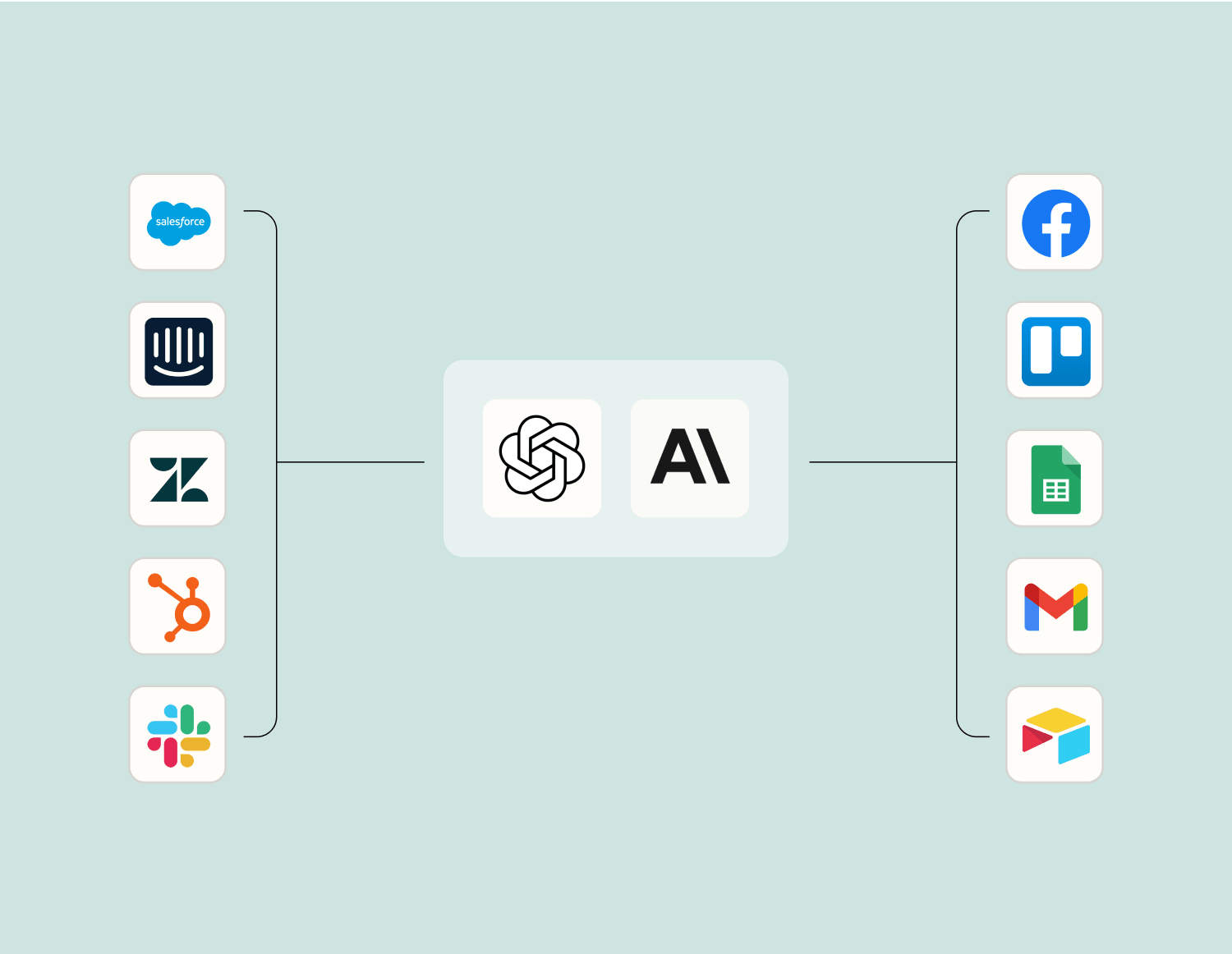
Level up your Google Sheets to Microsoft SharePoint integration with AI. Extract, summarize, and transform your integration data with leading AI models like OpenAI, Anthropic, and more.
Frequently Asked Questions about Google Sheets + Microsoft SharePoint integrations
New to automation with Zapier? You're not alone. Here are some answers to common questions about how Zapier works with Google Sheets and Microsoft SharePoint
Can I automatically update a Google Sheet from changes in SharePoint?
Yes, you can set up automated workflows that trigger updates in your Google Sheet whenever there are changes in a SharePoint list or library. This is accomplished by using triggers that detect modifications or additions in SharePoint, prompting actions to update corresponding entries in Google Sheets.
Is it possible to create a SharePoint item from a new row added to Google Sheets?
Absolutely. You can configure triggers to monitor new rows added to your Google Sheets and automatically generate a corresponding item in SharePoint. This ensures seamless data flow between the two platforms with real-time updates.
How do we handle data synchronization between Google Sheets and SharePoint?
Data synchronization is managed through automated triggers and actions that keep both platforms updated. For example, if you update an entry in Google Sheets, an action can be triggered to update the relevant data in SharePoint and vice versa.
Can I set specific conditions for triggers when integrating these services?
Yes, when integrating Google Sheets with Microsoft SharePoint, you can define specific conditions or filters for your triggers. This allows you to control which changes result in automated actions based on criteria like specific columns or data values.
What happens if there's a conflict between data updated simultaneously on both platforms?
When simultaneous updates occur on both Google Sheets and SharePoint, resolving conflicts depends on the workflow rules you've set up. You may choose predefined rules that prioritize one platform's data over the other or prompt manual review.
Do we need any special permissions for this integration?
Both systems require proper access permissions for integration. You'll need edit access to relevant Google Sheets documents and appropriate permissions within the specific SharePoint site or list you're working with.
Are there any limitations when using triggers between these services?
There may be limitations depending on the complexity of the workflows you're designing and rate limits imposed by each platform's API. It's important to test your integrations thoroughly to ensure they function as expected under different scenarios.
About Google Sheets
Create, edit, and share spreadsheets wherever you are with Google Sheets, and get automated insights from your data.