Connect Drupal and Webflow to power AI-driven automation
- No-code AI automation
- Full audit trails and controls
- SOC 2 and GDPR compliant
- Easy visual workflow builder
- 9,000+ apps, 450+ AI tools
- Free tier available
Launch your first automated workflow
Start with a template that brings Drupal and Webflow together. Build enterprise-grade automation in minutes.
Our most popular template


How Zapier works
Zapier makes it easy to integrate Drupal with Webflow - no code necessary. See how you can get setup in minutes.


Choose a trigger
A trigger is the event that starts your Zap—like a "New Content" from Drupal.
Add your action
An action happens after the trigger—such as "Create Item" in Webflow.
You’re connected!
Zapier seamlessly connects Drupal and Webflow, automating your workflow.
Supported triggers and actions
Zapier helps you create workflows that connect your apps to automate repetitive tasks. A trigger is an event that starts a workflow, and an action is an event a Zap performs.
- ContentTypeRequired
Try ItTriggerPolling- Stop on errorRequired
- HTTP MethodRequired
- URLRequired
- Query string parameters
- Additional request headers
- Body
ActionWrite- SiteRequired
Try ItTriggerInstant- SiteRequired
Try ItTriggerPolling
- ContentTypeRequired
- TitleRequired
ActionWrite- Help_text
- SiteRequired
- FormRequired
Try ItTriggerInstant- SiteRequired
Try ItTriggerInstant- SiteRequired
Try ItTriggerInstant
For AI agents & developers
Use Drupal and Webflow with AI agents and code
Beyond Zap workflows. Call Drupal and Webflow actions directly from your AI client or your codebase, using the same 9,000+ app integrations Zapier already runs.
Connect via Zapier MCP
Expose Drupal and Webflow actions as tools in any MCP client. Authenticate once, then call them in natural language.
Example actions on this page
Works with
Claude · ChatGPT · Cursor · any MCP-compatible client
Call from code with the Zapier SDK
Trigger Drupal and Webflow actions from backend services, scripts, or agent code.
Install
# TypeScript / Node
npm install @zapier/zapier-sdk
Run an action
import { createZapierSdk } from '@zapier/zapier-sdk';

const zapier = createZapierSdk();
await zapier.runAction({ /* drupal / webflow action */ });There is no Python package yet. SDK is TypeScript-only (@zapier/zapier-sdk). The MCP server URL is personal to your account; get it at zapier.com/mcp.
Zapier is the automation platform of choice for 87% of Forbes Cloud 100 companies in 2023




93%
Customers who say using Zapier has made them better at their job
25m
Customers have created over 25 million Zaps on the platform
6 mins
The average user takes less than 6 minutes to set up a Zap
Connect Drupal and Webflow to integrate crucial parts of your business
With Zapier, you can integrate everything from basic data entry to end-to-end processes. Here are some of the business-critical workflows that people automate with Zapier.
Automate your lead management and improve conversions
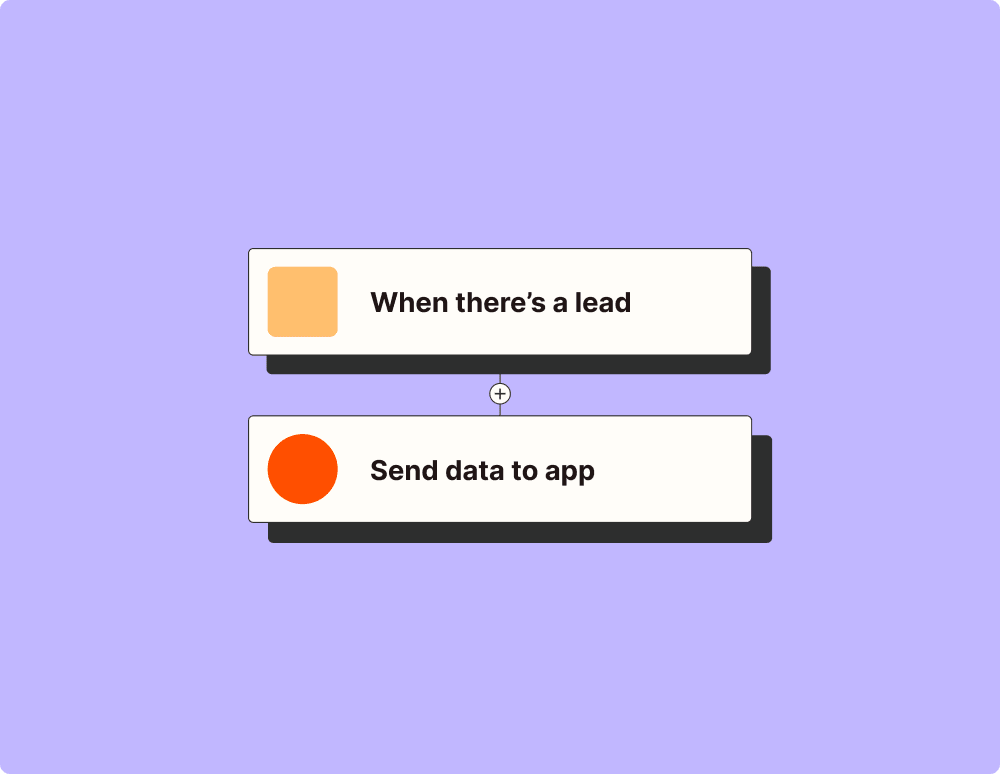
Create more impactful campaigns with automation
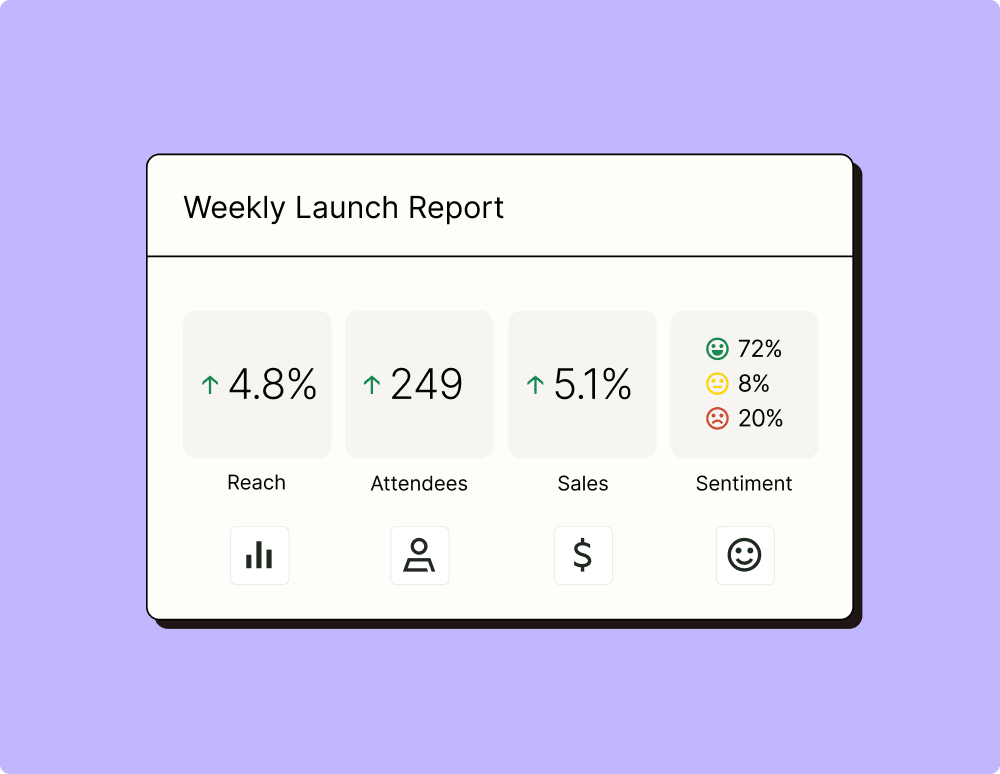
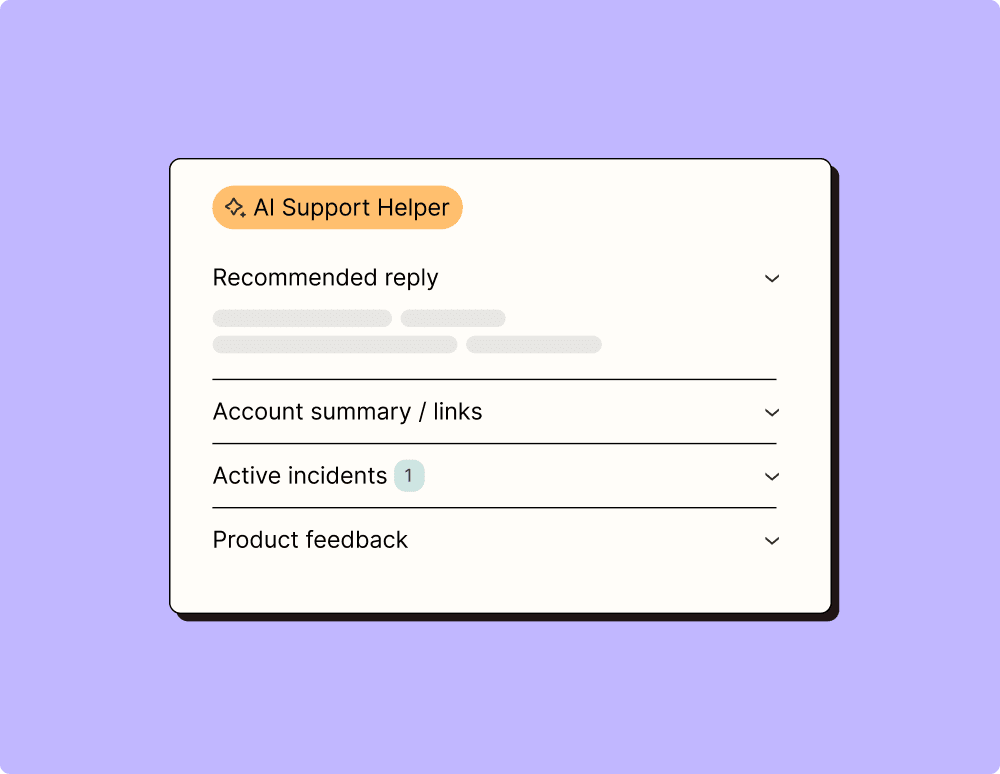
Provide world-class support with a little help from automation
Automate your way to actionable, up-to-date data
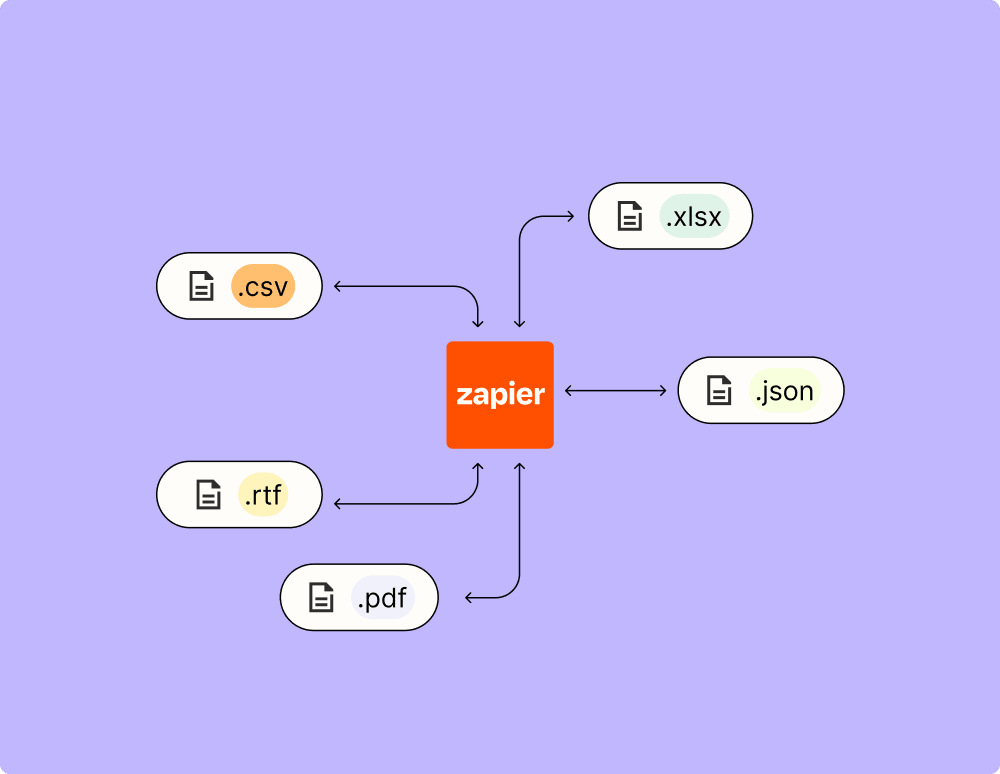
Resolve incidents faster with automation
Learn how to automate Webflow on the Zapier blog
Make work flow with AI
Frequently Asked Questions about Drupal + Webflow integrations
New to automation with Zapier? You're not alone. Here are some answers to common questions about how Zapier works with Drupal and Webflow
How do I integrate Drupal with Webflow?
Integrating Drupal with Webflow can be accomplished through custom code or middleware platforms like Zapier. This setup often involves creating triggers in Drupal, such as content updates or user registration, that initiate actions in Webflow, like updating a page or creating webhooks.
What are common triggers for integrating Drupal with Webflow?
Common triggers include new content creation, updates, and deletions in Drupal. These actions can initiate corresponding updates in Webflow, ensuring that your web content remains synchronized.
What actions can be performed in Webflow through integration with Drupal?
You can perform several actions such as creating new CMS items, updating existing pages, or even triggering animations and interactions based on data changes from Drupal.
Do I need coding skills to integrate Drupal with Webflow?
While having coding skills can enhance flexibility and customization, platforms like Zapier enable no-code integrations by defining specific triggers and actions between Drupal and Webflow.
Can I sync user accounts between Drupal and Webflow?
Yes, synchronizing user accounts is possible by setting up workflows to create or update user details across both platforms when changes occur. This ensures consistent user data management without manual intervention.
How do we handle errors during the integration process?
We monitor integration workflows for errors by setting up notifications for failed tasks. This allows us to quickly troubleshoot issues such as incorrect API configurations or network problems that may affect data flow between Drupal and Webflow.
Are there limitations when integrating Drupal with Webflow?
Certain limitations include the complexity of multi-step workflows and custom data transformations. However, using middleware tools efficiently helps mitigate many of these challenges by simplifying process automation.