I'm the kind of procrastinator who spends hours building beautiful to-do lists instead of actually doing anything from those to-do lists. Color-coded labels, subtasks, due dates—if there's a way to add more structure, I'm adding it.
Trello is built for people like me (and probably you, if you're reading this). Its Kanban-style boards turn pretty much anything into a visual workflow you can drag, drop, and obsessively reorganize to your heart's content. Work projects, meal planning, house hunting, vacation itineraries—if it has steps, it can be a board.
I pulled together these Trello board examples from myself, other Zapier teammates, and Trello users across the internet to give you a head start on whatever you're trying to procrastinate on—I mean, organize.
Table of contents:
16 Trello board examples at a glance
| Category | Good for |
|---|---|---|
Work | Tracking projects and deliverables from start to finish | |
Work | Running sprints and Agile workflows without dedicated Agile software | |
Work | Managing a sales pipeline and tracking deals visually | |
Work | Coordinating multi-channel marketing campaigns in one place | |
Work | Managing a content pipeline from idea to publication | |
Work | Planning, drafting, and tracking posts across multiple platforms | |
Work | Planning agendas, assigning topics, and capturing notes for recurring meetings | |
Work | Tracking job applicants through the interview process | |
Personal productivity | Organizing your day visually and time blocking tasks | |
Personal productivity | Breaking big goals into quarterly initiatives and actionable tasks | |
Personal productivity | Tracking income, bills, and savings targets manually | |
Personal productivity | Queuing up books, shows, podcasts, and games in one place | |
Life events and home | Storing recipes from everywhere in a searchable, visual format | |
Life events and home | Dividing and tracking recurring chores across a household | |
Life events and home | Coordinating vendors, timelines, budgets, and delegated tasks | |
Life events and home | Collecting research, bookings, and itinerary details in one place |
16 Trello board examples
Here are 16 Trello board examples you can copy or customize for your own workflow. Each example breaks down how the board works and gives you a set of starter lists so you're not building from scratch.
1. General project management Trello board

Board category: Work
Good for: Tracking projects and deliverables from start to finish
Example board lists: Backlog, To Do, In Progress, In Review, and Done
Trello's Kanban-style boards are a natural fit for project management. Each board represents a project, with lists (columns) mapping to the stages of your workflow—something like Backlog, To Do, In Progress, In Review, and Done. You can add cards for each project deliverable or milestone—complete with due dates, assignees, and labels for priority or project phase—and then drag them across the board as work moves forward.
Each card also includes an activity feed and comments, making it easy to tie conversations back to individual tasks or projects. And if you're juggling multiple projects, you can create separate boards for each one, while using dashboards to track progress across all of them.
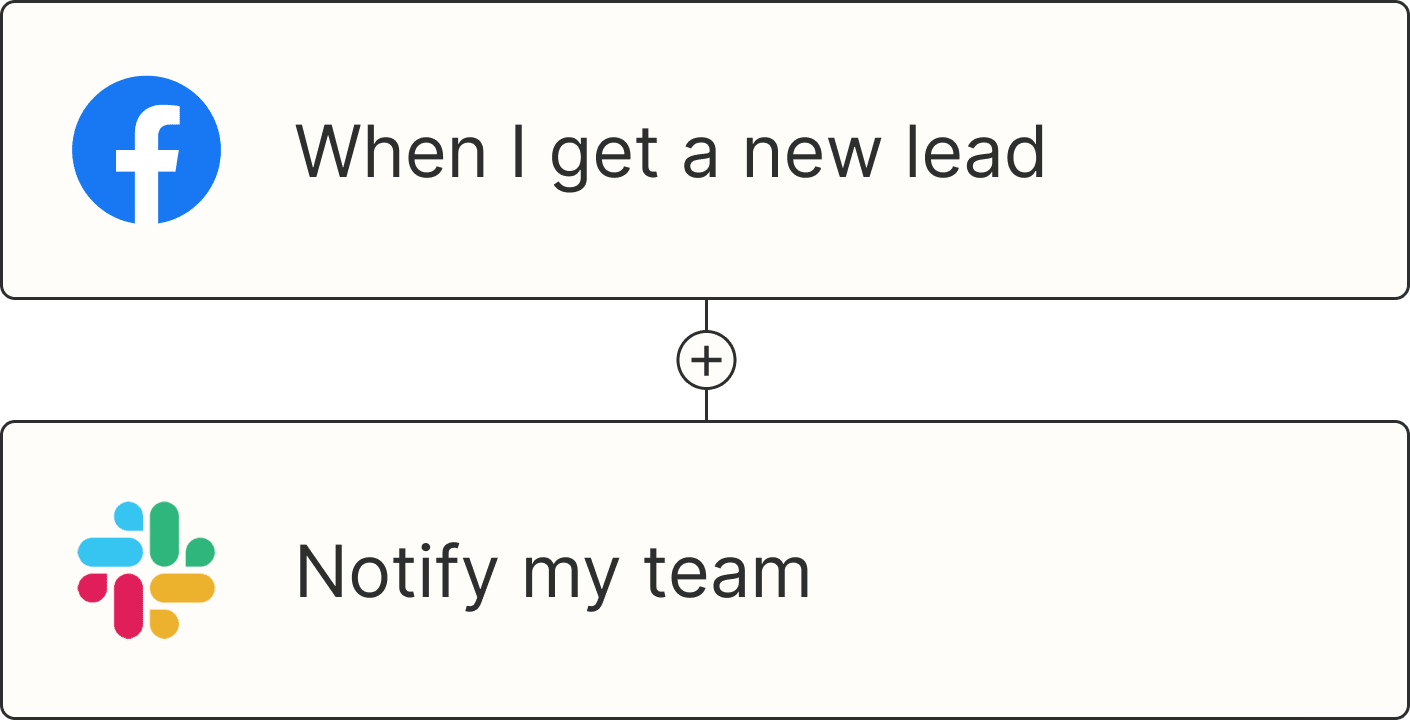
You can also use Zapier to connect Trello with thousands of other apps so you can build an AI-powered, end-to-end project management system. For example, you can automatically turn Slack messages and emails into Trello cards. At the same time, AI can analyze the message and label the card by priority, status, or anything else. Learn more about how to automate Trello, or get started with one of these pre-made templates.


Build automations from wherever you work. Describe the outcome you want, and Zapier connects your tools, runs the steps, and stays on the job after you close the chat. Combine AI with reliable, deterministic automation across 9,000+ apps. Get started for free.
2. Agile project management Trello board

Board category: Work
Good for: Running sprints and Agile workflows without dedicated Agile software
Example board lists: Backlog, Sprint planning, In progress, Review, Done, and Retrospective
Trello isn't an Agile tool per se, but its Kanban-style card structure maps naturally to Agile workflows. You can start from scratch or use one of Trello's Agile templates with lists like Backlog, Sprint planning, In progress, Review, and Done. Use each card to represent a user story or task, and layer on custom fields for story points, labels for epics or workstreams, and due dates to keep the sprint on track. You can add a Retrospective list directly to the board so the team can drop feedback throughout the sprint rather than scrambling to remember what went well (or didn't) at the end.
If you run retros on a set cadence, Zapier can automatically add a new Retrospective list on your board every month or quarter so you're not rebuilding it manually each cycle.

3. CRM Trello board

Board category: Work
Good for: Managing a sales pipeline and tracking deals visually.
Example board lists: New leads, Contacted, Discovery call, Proposal sent, and Closed
Full-blown CRM platforms are great if you need them. But if you're a small team tracking a manageable number of deals, Trello can handle the job. Set up lists that mirror your sales funnel—for example, New leads, Contacted, Discovery call, Proposal sent, and Closed. Each card represents a deal or prospect, complete with contact details, notes from your last conversation, and a dollar value using custom fields, making it easy to view your pipeline at a glance.

Create Trello cards from new Google Forms responses

4. Campaign management Trello board

Board category: Work
Good for: Coordinating multi-channel marketing campaigns in one place.
Example board lists: Planning, In progress, Launched, and Reporting
A Trello board won't execute your campaigns for you, but it'll keep every moving piece organized in one place. Create a list for each campaign phase: Planning, In progress, Launched, and Reporting. Or, if you prefer, a list for each campaign with cards for individual tasks and deliverables.
From there, you can assign team members from across departments, create custom fields for things like budget, channel, and campaign type, and add checklists for approval steps so nothing launches without a final sign-off.
5. Content and editorial calendar Trello board

Board category: Work
Good for: Managing a content pipeline from idea to publication
Example board lists: Ideas, Writing, Editing, Ready to publish, and Published
A spreadsheet can get the job done for a small content calendar. But once you're coordinating multiple writers, stages, and deadlines, it starts to feel like you're fighting the tool instead of using it. Trello gives you a visual pipeline that actually scales. Set up lists like Ideas, Writing, Editing, Ready to publish, and Published, and create a card for each piece of content. Add the writer, due date, target keyword, and any briefs or reference links directly to the card so everything lives in one place.
The thing that really makes this board work is Trello's calendar view. Enable it, and you get your entire publishing schedule laid out by week or month. You can spot gaps, avoid accidentally stacking three posts on a Tuesday, and drag cards around to rebalance.
Instead of toggling to Trello to check if there's a new article to edit, you can use Zapier to automatically notify you in Slack or Gmail when a card moves to the Ready to publish list. You can even create a daily digest so you receive notifications in set batches.
Send emails from Gmail when new Trello cards are moved to a list
Send Slack channel messages when new Trello cards get moved to lists
6. Social media planning Trello board

Board category: Work
Good for: Planning, drafting, and tracking posts across multiple platforms
Example board lists: Ideas, Drafting, Awaiting approval, Scheduled, and Published
Planning social media content across multiple platforms at once is a lot of context-switching. With Trello, you can create lists for each stage of your workflow—for example, Ideas, Drafting, Awaiting approval, Ready to schedule, and Published. From there, treat each card as a post. Use labels to tag the platform (like Instagram, LinkedIn, or TikTok) and attach the copy and related assets directly to the card to save approvers from chasing files down.
Trello's calendar view also makes it easy to map out a full week or month of posts at once, spot days where you have nothing queued up, and make sure you're not posting the same type of content three days in a row.
To make the planning process even smoother, use Zapier to automatically schedule cards that move to your Ready to Schedule list, for example, in your social media management tool.
Add to Buffer schedules when new Trello cards move to lists

Schedule messages in Hootsuite when cards are moved to new lists in Trello

7. Meeting agenda Trello board

Board category: Work
Good for: Planning agendas, assigning topics, and capturing notes for recurring meetings
Example board lists: Agenda items, In discussion, Action items, and Archived
Most meetings fall apart because nobody planned them. A shared Trello board fixes that by giving your team a place to build the agenda together before the meeting even starts.
You can set up lists like Agenda items, In discussion, Action items, and Resolved, and let people add cards for the topics they actually want to talk about. Each card gets an owner, a time estimate, and any reference docs attached. This way, you're not spending the first ten minutes figuring out what you're supposed to be discussing.
While the meeting's running, you can drag cards into In discussion and capture decisions in the comments. Once a topic's wrapped, move it to Action Items with a due date and assignee so it doesn't vanish into the post-meeting void.
8. Candidate tracking Trello board

Board category: Work
Good for: Tracking job applicants through the interview process
Example board lists: Applied, Resume review, Phone screen, Interview, Reference check, and Hired/passed
Hiring gets chaotic fast, especially when you're reviewing multiple candidates across multiple roles at the same time. A Trello board gives you a simple way to track every applicant in one place. Your lists map to each hiring stage: Applied, Resume review, Phone screen, Interview, Reference check, and Hired/passed. Each card is a candidate, with their resume attached, the role they applied for tagged with a label, and notes from every conversation logged in the comments.
9. Daily planner Trello board

Board category: Personal productivity
Good for: Organizing your day visually and time blocking tasks
Example board lists: Monday, Tuesday, Wednesday, Thursday, Friday, and Done
A to-do list tells you what needs to get done, but it doesn't always tell you when you're going to do it. That's where a Trello board comes in. Create lists for blocks of your day—maybe a list for each day of the week—and drop cards into each one based on when you plan to tackle them.
Once your cards are in place, use Trello's Planner feature to turn your tasks into actual time blocks. Click Planner in the bottom toolbar, and a timeline appears alongside your board. Drag cards onto it to schedule them, or click and drag on the timeline itself to block off focus time and link tasks to that block. When a meeting runs long, or something urgent comes up, you can just as easily move things around.
10. Goal tracking Trello board

Board category: Personal productivity
Good for: Organizing your day visually and time blocking tasks
Example board lists: Q1, Q2, Q3, Q4, In progress, and Done
Big goals are easy to set and even easier to lose track of. A Trello board forces you to break them down into something you can actually act on. Create a list for each quarter—Q1, Q2, Q3, and Q4—and add cards for each goal or initiative. Inside each card, use checklists to break the goal into specific tasks and set due dates to keep yourself honest. As you complete them, move cards through In progress and Done so you can see momentum building over the year.
11. Financial planning Trello board

Board category: Personal productivity
Good for: Tracking income, bills, and savings targets manually
Example board lists: Income, Fixed expenses, Variable expenses, and Savings goals
If you like knowing exactly where your money goes and don't mind a manual approach, Trello works surprisingly well for budgeting. Your lists become spending categories: Income, Fixed expenses, Variable expenses, and Savings goals. Each card represents a specific line item—for example, rent, groceries, phone/internet, and emergency fund—with the amount in the card title or a custom field so you can see each item's budget at a glance.
At the start of each month, duplicate the board or reset your cards with updated amounts. Use labels to flag what's been paid, what's pending, and what's overdue. It's more manual than other dedicated financial planning apps, but that's kind of the point. The act of moving a card to Paid and updating the numbers yourself keeps you plugged into your finances in a way that automated tools don't.
12. Reading list and media backlog Trello board

Board category: Personal productivity
Good for: Queuing up books, shows, podcasts, and games in one place
Example board lists: Want to start, In progress, and Finished
Books, movies, TV shows, and unsolicited podcast recommendations—they all pile up fast. And most of them live in random notes or half-forgotten bookmarks. Use Trello to put all your items in one visual dashboard. Lists can be organized by status—like Want to start, In progress, and Finished—or by media type if you prefer separate columns for books, shows, and podcasts.
Each card gets a cover image (Trello pulls these in nicely), a label for genre or priority, and any notes you want to add. You can also share your board with friends or coworkers, making for a low-effort book club or watch-party planner.
13. Recipe collection Trello board

Board category: Personal productivity
Good for: Storing recipes from everywhere in a searchable, visual format
Example board lists: Weeknight dinners, Meal prep, and Baking projects
Recipes end up scattered across bookmarked tabs, screenshots, Instagram saves, and that one cookbook you keep meaning to open again. A Trello board gives them all a single home. Create a card for each recipe with a photo as the cover, a checklist of ingredients, and cooking instructions in the description. Organize them into lists by type—for example, Weeknight dinners, Meal prep, and Baking projects—or whatever categories match how you actually cook.
When you find a recipe you want to save, paste the link and screenshot to a card. Use labels to tag things like cuisine type or dietary restrictions, so you can quickly filter the board later on. Over time, the board becomes your own personal cookbook that's searchable, visual, and a lot easier to scan than scrolling through your browser history.
14. Household chores Trello board

Board category: Life events and home
Good for: Dividing and tracking recurring chores across a household
Example board lists: Daily, Weekly, Monthly, Seasonal, and Completed
Nobody loves chores, but everyone loves not arguing about who last cleaned the bathroom. A shared Trello board makes the division of labor visible. Set up lists by frequency—think: Daily, Weekly, Monthly, and Seasonal—and create cards for each task. Assign family members or roommates to their cards so there's no ambiguity about who's responsible for what.
Use Trello's Card Repeater Power-Up to automatically recreate recurring tasks on a schedule, so your Weekly list repopulates every Monday without anyone having to think about it. When a chore's done, drag it to Completed (or just check off the card). The board becomes a running record of what's been done and what's overdue, which is a lot harder to argue with than someone's memory of who last unloaded the dishwasher.
15. Wedding or big event planning Trello board

Board category: Life events and home
Good for: Coordinating vendors, timelines, budgets, and delegated tasks
Example board lists: Venue, Catering, Vendors, Researching, Booked, and Confirmed
Big events involve a terrifying number of decisions, deadlines, and people who all need to be on the same page. Trello gives you one board to manage the whole thing. Lists can represent categories, like Venue, Catering, and Vendors, or phases like Researching, Booked, and Confirmed.
Each card holds everything related to that vendor or task: contracts as attachments, pricing in custom fields, and notes from email threads or phone calls in the comments. Add your partner, wedding party, or event committee as board members and assign them cards so everyone knows what they own. Due dates keep things on track when you're working months out from the event. You can also flip to the calendar view for a timeline of when deposits are due, tastings are scheduled, and RSVPs need to come in.
16. Vacation and travel planning Trello board

Board category: Life events and home
Good for: Collecting research, bookings, and itinerary details in one place
Example board lists: Research, Booked, and Daily itinerary
Half the fun of a trip is planning it, and half the stress is keeping track of everything once you do. A Trello board handles both. Organize your lists by trip phase—for example, Research, Booked, and Daily itinerary—or by category if you prefer separate lists for flights, hotels, activities, and restaurants.
Cards hold confirmation numbers, booking links, reservation times, and any notes you've gathered from travel blogs or friend recommendations. Attach PDFs of tickets or screenshots of hotel confirmations, so you're not digging through your email at the airport. If you're traveling with a group, share the board and let everyone add cards for things they want to do. Then use Trello's Voting Power-Up to settle the museum-vs-pastry-crawl debate without a 47-message group chat.
Automate Trello with Zapier
Compared to other project management tools, Trello on its own is fairly simple. But with Power-Ups—add-ons that extend what your boards can do—you can layer on features like time automatic card repeats, time tracking, and file management. The main drawback is that they mostly work within Trello itself. If you need information to flow between Trello and other apps in your tech stack, you'll hit a wall pretty fast.
With Zapier's Trello integration, you can connect Trello with thousands of apps to build AI-powered workflows that extend well beyond the confines of what Power-Ups can do on their own.
For example, say you're using a Trello board to plan your week. When you add an event to Google Calendar, Zapier can automatically create a matching Trello card, use AI to generate a checklist of prep tasks based on the event details, and drop it into the right list with a due date. Learn more about how to automate Trello, or get started with one of these pre-made workflows.
Create new Trello cards from new Google Calendar events
Related reading:
This article was originally published in March 2017 with contributions from Jessica Greene, Elena Alston, Juliet John, and Melanie Pinola. The most recent update was in April 2026.