Any newsletter worth its salt, one that grips readers and converts them into paying customers, takes effort to put together. And delivering snazzy newsletter content at a regular cadence is no small feat, either. Mailchimp is a household name in email marketing that makes the process easier, whether you're new or a seasoned pro.
And when you connect Mailchimp to Zapier, you can automate the busywork that keeps you from focusing on crafting your best content: tasks like auto-subscribing new leads to your newsletter, or instantly updating your CRM with every fresh subscription.
Sound interesting? Then check out these six ways to automate Mailchimp with Zapier—complete with ready-to-use Zap templates and tips for incorporating AI.
Zapier is the most connected AI orchestration platform—integrating with thousands of apps from partners like Google, Salesforce, and Microsoft. Use forms, data tables, and logic to build secure, automated, AI-powered systems for your business-critical workflows across your organization's technology stack. Learn more.
Table of contents
To get started with a Zap template—what we call our pre-made workflows—just click on the button. It only takes a few minutes to set up. You can read more about setting up Zaps here.
Subscribe leads to your newsletter
When people are interested in learning about your product or service, you want to capitalize on that interest right away. With a simple Zap, you can eliminate the time it takes to copy and paste contact information (or export CSV files) altogether.
Try any of the below workflows, which will automatically add a new lead—from emails to form submissions and even spreadsheets—as a subscriber in Mailchimp. No matter where you find leads or how you add them to Mailchimp, these Zaps can take care of importing that information instantly. That way, you can focus on building effective email journeys without worrying whether any new leads are falling through the cracks.
From inbound leads
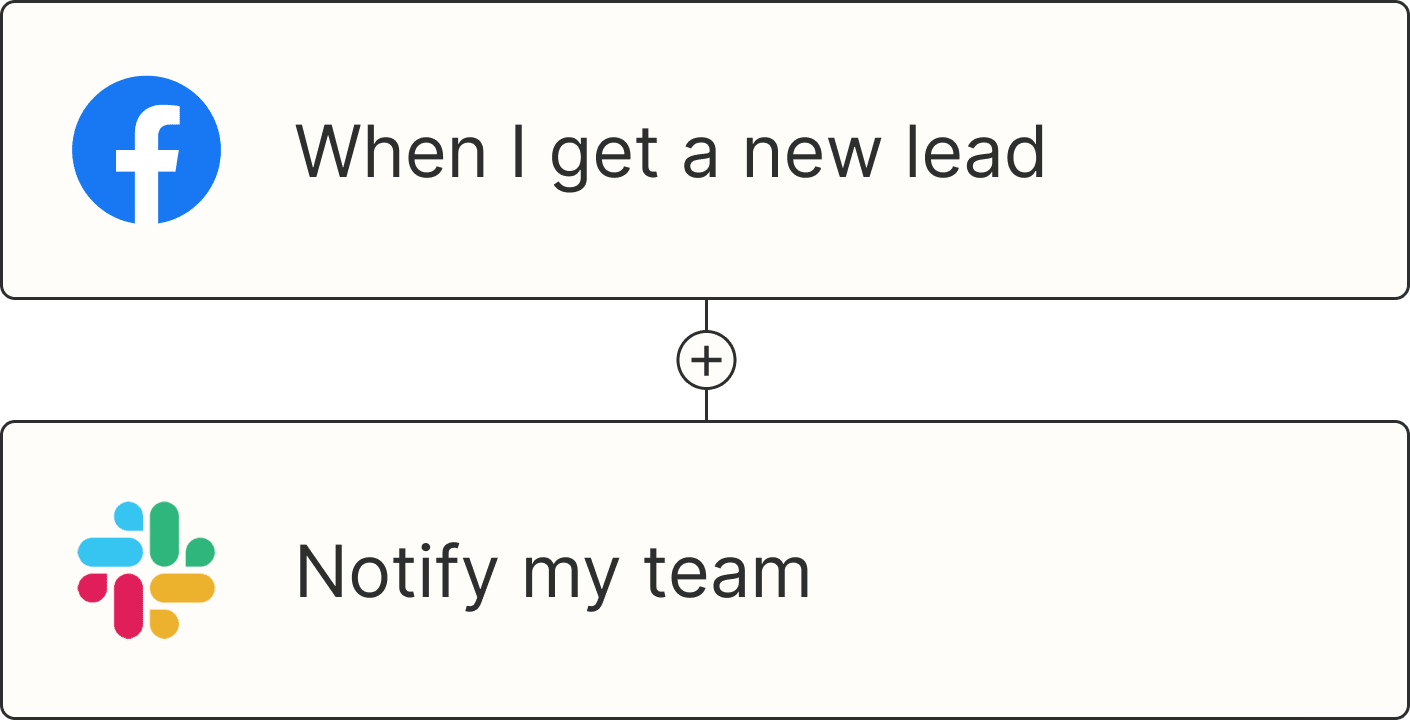
Subscribe new Facebook Lead Ad leads to a Mailchimp list


Parse email addresses from an email and add to a Mailchimp list

From spreadsheets and databases
Create Mailchimp subscribers from a new or updated Google Sheets rows

Add subscribers to Mailchimp for new Google Sheets rows
Add subscribers to Mailchimp via new Airtable records

From form submissions

Add or update Mailchimp subscribers from new form submissions in Squarespace Forms

Create Mailchimp subscribers from new Typeform responses

Add or update Mailchimp subscribers when a new Wix Form is submitted

Create or update Mailchimp subscribers from new Google Forms submissions

When you connect Zapier MCP to ChatGPT or Claude, you can perform 30,000+ actions right from your chat interface. Want to execute commands like the one below? Learn how to set up Zapier MCP in our feature guide.

Turn your campaigns into content
Repurposing content is a content marketer's dream. You spend all of that time crafting the perfect email, so why not use it again on your website or social media to get more eyeballs on it? The Zaps below will automatically create a new post on your site when you send a new campaign.

Share new Mailchimp campaigns on your company LinkedIn profile

Create new Webflow items from new Mailchimp campaigns
If you want to maintain a sense of exclusivity for your newsletter subscribers, add a delay step—available on our paid plans—so your new posts will publish a certain amount of time after the initial campaign is sent.

Keep a backup of your email list
It's always a good idea to store your most essential business information in multiple places so you don't risk losing it. And while Mailchimp is a great tool for managing your audience and building powerful email campaigns, there are some things only a spreadsheet can achieve. Storing your email list in a spreadsheet gives you much more granular control over how you visualize, organize, and analyze your email marketing performance.
This Zap helps ensure every new Mailchimp subscriber is added to your Google Sheet so your backup is always accurate and up to date.
Save new Mailchimp subscribers to rows in Google Sheets spreadsheets
Pro tip: For an enterprise-grade, AI-powered spreadsheet experience, use Zapier Tables. You can do things like create Zaps right from a table, populate records with AI, and control permission levels—plus, Zapier actions used in Tables don't count toward your task usage. Read more about Tables.

Engage event attendees with your newsletter
Events are expensive, but a great way to engage potential and existing customers. Even webinars, while cost-effective, are labor-intensive.
You'll want to make that effort worth it by keeping your attendees engaged with your business, long after your event or webinar is over. Your newsletter is the perfect way to do just that.
Use a Zap to automatically add attendees to your email list. You won't have to worry about managing your email signups and can instead focus on putting on a successful event.

Add new Zoom registrants to Mailchimp as subscribers

Add new Luma event registrants to Mailchimp as subscribers

Pro tip: While it's a time-saver to automatically add all event attendees to your email list, you'll want to customize the workflow to keep your Mailchimp contact list clean and clutter-free. For example, a filter step can stop your mom from being added just because she invited you to a family catch-up on Zoom.
Or, a paths step can use conditional logic to add different attendees to different audience segments depending on if, say, they signed up for the enterprise sales strategies webinar you're hosting or a leadership summit.

Learn more: 7 ways to automate common newsletter tasks
Connect Mailchimp with your CRM
Customer relationship manager (CRM) apps are often the source of truth for businesses. If something is incorrect in the CRM, it can throw your operation out of whack. When you have a lot of changes coming in at once, it can be difficult to capture every single email list update in your CRM.
Conversely, every new lead in your CRM should be added to your email list so they can be nurtured with timely email campaigns. It's important to connect your CRM with your email marketing software so that your contact lists stay in sync and maximally effective.
Rather than waiting for a one-time download of subscribers and importing the data from your CRM to Mailchimp or vice versa, use one of these Zaps to connect your marketing and sales tools.

Add or update subscribers in Mailchimp for new form submission from HubSpot

Pro tip: If you set up two Zaps connecting Mailchimp and your CRM in both directions, be sure to add a filter step to avoid a Zap loop.
You can even add AI into the mix to level-up your CRM/Mailchimp connection even more. For example, this Zap uses ChatGPT to draft messages and update Mailchimp profiles for newly churned accounts.
Send special offers campaigns in Mailchimp to newly churned accounts on Salesforce
Learn more: The ultimate guide to CRM automation
Connect Mailchimp to almost any app with webhooks
Zapier integrates with thousands of apps, but that doesn't mean you're guaranteed to find the app you're looking for in the app directory. What if the app you want to connect to Mailchimp doesn't integrate with Zapier? In that case, you can use Webhooks by Zapier to connect Mailchimp to almost any app.
Webhooks are a way to send information from one app to another based on a trigger. For instance, you might create new Mailchimp subscribers from submissions in your obscure form builder. Or, whenever you get a new subscriber in Mailchimp, your webhook can send that data to your custom CRM or database tool. Use one of these Zaps to get started.
Add Mailchimp list subscribers from newly-caught webhooks

Take your email marketing to the next level
This is just the start of all that you can do with Mailchimp and Zapier. Zapier supports thousands of apps, so you automate almost any task at work. Start building your Zap now and see what you can create.
Related reading:
This article was published in September 2020 by Krystina Martinez, with previous updates by Elena Alston and Nicole Replogle. It was most recently updated in December 2025 by Steph Spector.