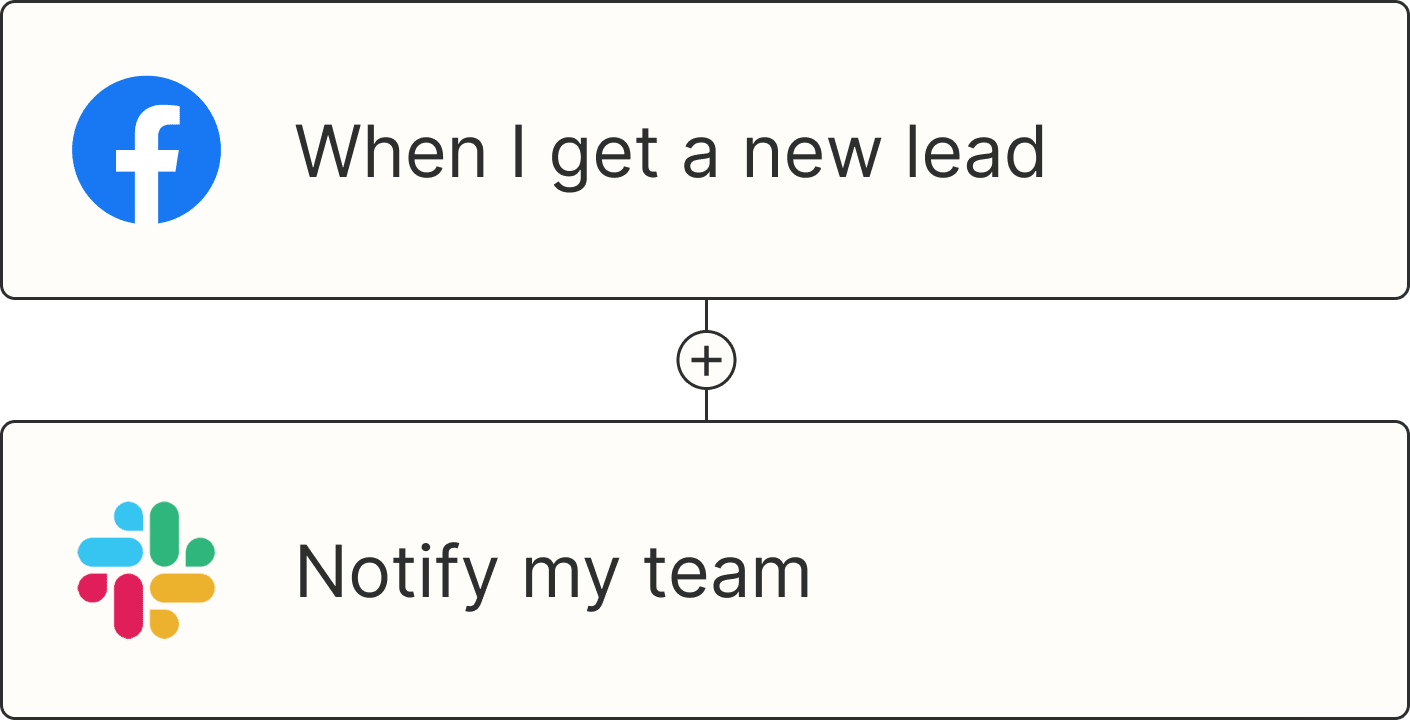
I love burritos, but I inevitably overfill the tortilla, and it rips open, spilling burrito guts all over the place. Meanwhile, Chipotle's assembly line magic ends in a perfectly wrapped delight—all because of a workflow that I'm too hungry to figure out.
If your work feels more like burrito guts than fast casual perfection, you need clear and repeatable processes like Chipotle's.
Here are some business workflow examples you can use to bring more structure to common processes across different departments, with opportunities to automate them using Zapier. And unlike guac, it won't cost extra.
Table of contents:
Workflow use cases
"Workflow" is one of those words that sounds simple but means different things to everyone. Here, I'm talking about a documented set of repeatable actions that gets you from A to Z, like going from a new hire request to the employee logging into the system successfully on Monday morning.
A good workflow keeps things moving, while a great one automates the routine parts so people can focus on the stuff that needs a personal touch. This is achieved through workflow orchestration, which links multiple automations into a single process that runs from start to finish without missing a beat.
It's like moving from making one burrito at a time to running the whole Chipotle line. Each step still matters, but now everything's coordinated, efficient, and nearly spill-proof.
Let's dive into how different teams apply this idea in practice, along with workflow diagram examples to help you visualize the flow.
Sales and marketing workflow examples
Sales and marketing are where the burrito line begins. Every lead, campaign, and message needs the right mix of personalization and timing. Add too much of one ingredient and the flavor is off before it even reaches the customer.
Many teams automate marketing and sales steps to keep that mix consistent, so no ingredient overwhelms the rest. Here are clear workflow examples that keep every handoff balanced from awareness to conversion.
1. Sales order workflow

When a customer places an order, a manual process can lead to mistakes and delays. An automated sales workflow handles everything from order confirmation to shipping notification, so you can fulfill orders quickly and accurately. Here's a sample workflow:
A customer places an order through your site, app, or with a sales rep.
The sales team reviews the order and confirms product availability.
A formal sales order is created and logged in your CRM.
The warehouse picks, packs, and prepares the shipment.
The logistics team sends the order with tracking details.
Accounting issues an invoice and processes payment.
A customer service rep follows up for feedback or support.
Automate this workflow
Use Zapier to automate order processing for approved sales orders to automatically generate sales records, trigger fulfillment tasks, and update every system involved. It removes manual entry and status checks, speeding up delivery and keeping teams aligned from purchase to shipment.
2. Sales lead qualification workflow
Not every person who fills out a form is a good fit for your product. This workflow scores and qualifies leads for you so your sales team can spend time on the most promising prospects.
A potential customer fills out a form on your website.
The marketing team reviews and scores the lead using preset criteria.
Marketing sends a welcome message to the new lead.
Sales operations adds the lead to the database.
Sales schedules a follow-up call or email with qualified leads.
Automate this workflow
Set up Zaps that instantly score and qualify incoming leads using AI, prioritize high-value prospects, and automate sales task creation in your CRM.
This agent evaluates new leads from your HubSpot form and alerts the sales team about qualified prospects.
3. Marketing campaign workflow
A new marketing campaign involves securing budgets, creating assets, getting legal sign-off, and scheduling content. This sample workflow keeps those moving parts organized and well-oiled, from kickoff to completion, ensuring every stakeholder provides input at the right time.
The team sets clear goals and documents the strategy, audience, and budget.
The marketing director reviews and approves the brief.
A project and task list are created in the project management tool.
Designers and writers create visuals and copy for ads, landing pages, and social posts.
The compliance or legal team reviews materials and messaging.
A manager gives final approval before launch.
Operations verifies tracking setup and loads assets into the ad or email platform.
The campaign goes live on the scheduled date.
The marketing manager tracks metrics like CPC, conversion rate, and lead volume.
The team reviews performance data and adjusts creative, bids, or budget as needed.
Automate this workflow
Automate tasks like campaign project creation by connecting forms, task managers, and file storage. For example, when you create a new campaign in Asana, Zapier can spin up a folder in Google Drive, notify the team in Slack, and schedule reminders.
Consolidate LinkedIn and Facebook Ads and run weekly reports using an AI Agent.
4. Content creation workflow
Creating content often has wiggle room for creative freedom, but it needs a clear, repeatable process to stay on track. Without a content creation workflow, deadlines get missed, tone becomes inconsistent, and you might end up rushing the final product.
This sample workflow for content creation helps every article, video, or social post move from idea to publication on time.
The marketing team brainstorms content ideas based on audience research and goals.
Content strategists outline each piece and set deadlines.
Project managers assign tasks to writers and designers.
Writers and designers draft content and visuals for review.
Editors check quality, tone, and accuracy before approval.
Writers add visuals, metadata, and SEO elements.
Content managers load and schedule the post in the CMS.
The team promotes the content across email, social, and other channels.
Analysts track results and feed insights into future planning.
Automate this workflow
Zapier's content creation automation connects your CMS, design tools, and communication channels to instantly trigger content drafts, designs, and publications, eliminating manual setup and status tracking so your team can focus on creativity and scale.
Human resources workflow examples
HR teams handle some of a company's most important and sensitive tasks, and their to-do list never ends. Recruiting, onboarding, and paperwork tasks pile up fast, like a burrito bowl with triple protein. Without a clear process, something's bound to spill.
Teams that automate HR processes can keep everything aligned and still have time to focus on people, not paperwork. Here are a few HR workflows that bring consistency to everyday operations.
5. New employee onboarding workflow

Getting a new hire set up should be a smooth, organized process. A clear hiring and onboarding workflow ensures new hires don't get lost between paperwork, IT setup, and their first 90 days. Here's a simple version:
HR sends a welcome email, collects paperwork, and coordinates account setup.
HR leads first-day orientation and introduces the new hire to the team.
Managers outline expectations, goals, and training for the first week.
Managers conduct 30-, 60-, and 90-day check-ins to review progress.
Managers and HR complete the six-month review and set long-term goals.
HR and department leads provide ongoing training and development.
Automate this workflow
When a candidate moves to "hired" in your ATS, Zapier can instantly update your HRIS, launch employee onboarding tasks, and alert the right people. It removes manual data re-entry so new hires get set up faster and nothing slips through during their first week.
New team member onboarding portal with tasks, resources, and forms with a custom chatbot.
6. Recruitment workflow
Hiring can sputter without structure. A recruitment workflow keeps the process consistent and fair while speeding up approvals. Here's what it looks like:
A hiring manager identifies the need and drafts a job description.
HR or a recruiter posts the role to job boards and hiring platforms.
Applications are collected and screened in one system.
Recruiters review resumes and shortlist candidates.
The hiring manager interviews top candidates with standardized questions.
The team selects the best fit.
HR extends an offer and begins preboarding.
Automate this workflow
Use Zapier's recruitment automation to generate hiring materials in minutes. AI-powered prompts can create job descriptions, interview guides, and Slack channels automatically, keeping every new role consistent with your company's goals and voice.
Make kicking off hiring a breeze with AI-generated job descriptions, application questions, and interview guides.
7. Time-off request workflow
Nobody wants to chase down approvals for a vacation day. A simple workflow makes managing employee leave and time-off requests transparent and fast:
An employee submits a request through the HR system.
A manager reviews and approves or denies it.
HR updates payroll and records if needed.
A confirmation is sent to the employee.
The team calendar updates to reflect the approved time off.
Automate this workflow
Zapier can capture new employee leave and time-off requests, log them in your HR system, and update shared calendars automatically. Managers get instant alerts to approve or deny requests, giving everyone real-time visibility into who's out and when.
Capture your team's time off requests in Slack and log them in Google Sheets for HR metrics. This process ensures accurate tracking and reporting, improving your HR management and enhancing employee engagement.
Finance and administration workflow examples
For finance and admin teams, process is everything, with every step depending on the one before it. Skip a step, and you'll miss key checks that keep budgets accurate and spending compliant. It's like jumping around in the burrito line and biting into a wrap that's nothing but sour cream.
Teams often use accounting automation to keep those steps in order and avoid costly delays. These examples show how to keep every dollar and every request moving in the right direction.
8. Purchase order workflow
A purchase order process helps you keep track of every expense. It ensures you have approval before spending money and creates a clear record for accounting.
An employee submits a purchase request with vendor, quantity, and cost details.
A manager reviews and approves the request.
Finance verifies budget and compliance requirements.
An approved request becomes a purchase order sent to the supplier.
The supplier confirms and delivers the goods or services.
Finance matches the purchase order with the invoice before payment.
Automate this workflow
Use Zapier to generate purchase order drafts the moment a quote is approved, update vendor records, and notify stakeholders automatically. It removes manual data entry and keeps procurement consistent, compliant, and on schedule.
9. Invoice processing workflow
Managing incoming invoices can be stressful, especially when they need to be routed to different people for approval. This workflow ensures every invoice is handled consistently and paid on time.
A vendor sends an invoice to the company.
Accounts payable logs it in the system.
Finance matches the invoice to the purchase order and delivery receipts.
Finance reviews and approves payment.
Payment is issued to the vendor.
Records are updated for audit and reporting.
Automate this workflow
AI invoice tracking uses machine learning and Zapier's orchestration to spot invoices that might be late, flag risky ones for follow-up, and track customer patterns, helping finance teams prevent bad debt and keep relationships on track.
Automate the way you share invoices with clients using a customizable invoice form template.
10. Travel request authorization workflow

An employee submits a travel request form.
A manager reviews and approves or denies it.
Finance reviews approved requests to confirm budget availability.
HR or the travel coordinator notifies the employee once approved.
The coordinator logs trip details in a shared system or spreadsheet.
Automate this workflow
Use Zapier Agents to scan your email for booking confirmations, pull trip details into your calendar, and send you organized summaries in Slack. It removes the back-and-forth of tracking flights and hotels, giving you a single, accurate view of every trip.
IT and operations workflow examples
IT and operations teams are the cooks of your business, working quietly behind the scenes to make sure the burrito line doesn't fall apart. They make sure every station is stocked, every system stays online, and no one drops the tortilla. Strong workflows help them keep the operation steady when things heat up.
Teams that automate IT management can spend less time reacting and more time refining the recipe. Each workflow example shows how these teams manage the moving parts that keep business running.
11. IT bug tracking workflow

You can count on three things in life: death, taxes, and software bugs. A good workflow ensures these bugs are logged, prioritized, and resolved without slipping through the cracks. Here's how a typical bug tracking workflow looks:
A user or tester reports a bug in the tracking system.
The issue is assigned a severity and priority level.
A project manager assigns it to a developer.
The developer investigates, fixes, and documents the change.
The QA team tests the fix to confirm resolution.
The project manager or QA closes the bug and updates release notes.
Automate this workflow
Automating IT service management with Zapier means connecting your help desk, assets, and change workflows so tickets, chats, and alerts flow automatically. AI can enrich requests and route them to the right team, cutting out busywork and letting agents get more done.
Improve your IT support with AI-powered responses, automatic ticket prioritization, and knowledge base updates.
12. Incident management workflow
Unplanned outages or service issues demand fast, coordinated responses. An incident management workflow helps your team respond quickly to unplanned interruptions and restore service as fast as possible.
A monitoring tool or user reports an incident.
The system logs the issue and alerts the on-call team.
The incident manager classifies it by severity and impact.
The response team investigates and applies a fix or temporary workaround.
Operations verifies that service is restored.
The incident manager leads a post-incident review to find root causes and prevention steps.
Automate this workflow
Use Zapier to automatically detect incidents the moment alerts fire, classify their urgency, and route them to the right tools and people. It also creates follow-up tasks and summary reports automatically so your team can focus on fixing the issue.
Streamline incident response communication by kicking off the process and alerting your team.
13. Product launch workflow
A product launch weaves together work from marketing, development, sales, and operations. A well-defined workflow keeps everyone aligned and moving in the same direction, so your launch hits every milestone on time. With a documented process, you know exactly who's doing what and when, from early planning to post-launch review.
The product team defines scope, goals, and success metrics.
Developers build and test the product for quality and performance.
Marketing prepares messaging, collateral, and a launch plan.
Sales enablement creates training and sales resources.
Operations sets up delivery systems and support channels.
Leadership reviews progress and approves launch.
Marketing and sales coordinate the public rollout.
The product team tracks performance and gathers feedback for future updates.
Automate this workflow
Zapier can use AI to create projects and launch tasks automatically whenever a new product or variation is added. It builds initiatives from templates, assigns tasks, and schedules content so product launches stay consistent, on-brand, and right on time.
14. Software development workflow
Whether you're building a brand-new app or adding a small feature, every step in the process needs a clear structure. This software development workflow example ensures your team delivers quality code from start to finish.
The product team adds new feature requests or bug reports to the tracker.
A project manager assigns each to a developer for planning and design.
Developers code the feature and document changes.
The QA team tests and confirms it meets requirements.
The release manager deploys it to production.
The product team collects user feedback and shares insights with development.
Automate this workflow
Use Zapier to extend your dev workflows with custom code steps written in JavaScript or Python. Use it to format data, run logic checks, or connect APIs directly inside your Zaps, so you can automate complex tasks without building a full integration.
Customer service workflow examples
Customer service teams handle inquiries and keep relationships strong. They're the final wrap before the meal hits the table with every ticket needing care, timing, and a steady hand. Support teams that automate customer support keep responses fast and experiences consistent, avoiding frustrated customers faster than you can say "barbacoa."
These workflow examples show how structure turns support from reactive to reliable.
15. Customer support workflow

Customer service workflows make sure your support team has a defined standard operating procedure to follow when responding to inquiries. This workflow example helps ensure a customer's experience doesn't depend on which agent answers their call.
A customer submits a request via email, chat, phone, or social media.
A ticket is created in the support system.
The ticket is assigned to an agent based on availability or expertise.
The agent investigates, clarifies details, and resolves the issue.
The agent communicates the solution to the customer.
The ticket closes after confirmation or inactivity.
The team reviews resolved tickets to identify trends and improvements.
Automate this workflow
Use Zapier for customer support to automatically route tickets, share customer details across tools, and alert agents with the right context. It gives your team instant access to recent activity, purchases, and past interactions, so every response feels informed and personal.
Answer prospect questions quickly and close more deals with an OpenAI-powered chatbot.
16. New customer onboarding workflow
The first experience a new customer has with your product or service is the most important. A structured client onboarding workflow helps you welcome every new user and ensure they find value right away.
A new customer signs up for the service.
The marketing or customer success team sends a welcome email with setup guides.
The customer success team creates a record in the CRM.
Helpful tips and educational content are shared during the first week.
The account manager checks in to answer questions and ensure adoption.
Automate this workflow
Use Zapier to automate your onboarding process by connecting Zapier Forms, Tables, Chatbots, and Agents to create an exceptional experience for every new customer. From capturing sign-up details to sending personalized resources and follow-ups, each step runs automatically so your team can focus on building relationships, not managing logistics.
Simplify workflows with automation
These examples of workflows are just the tip of the burrito for what you can accomplish. When processes are repeatable, you can automate them. And that's where things get spicy.
Workflow automation helps you save time, reduce errors, and focus on the work that matters most. With Zapier, you can connect thousands of apps to build automated workflows, no coding required.
Set a trigger in one app, like receiving a new email, and instantly run actions in others, such as saving the attachment to Dropbox or updating a spreadsheet. You can create multi-step workflows, transform data as it moves between apps, or use AI to generate custom workflows from a plain-English description.
Explore workflow examples and workflow templates, and try Zapier to start automating your processes.
Workflow examples FAQ
What are the different types of workflows?
Ask five people what different types of workflows exist and you might get six answers. But here are the usual suspects:
Sequential workflows: Steps happen in strict order, one after the other. These are ideal for approvals or onboarding.
Parallel workflows: Multiple tasks run at the same time, like simultaneous marketing and design work.
Conditional workflows: Paths change based on rules or triggers—for example, support tickets routed by issue type.
Case workflows: These are flexible sequences for unique situations, and common in legal, healthcare, or customer support.
Automated workflows: Repetitive tasks are handled automatically, such as reminders, notifications, or report generation.
Digital workflows: These take place entirely online, integrating tools and apps for smooth collaboration across teams and time zones.
What does a workflow look like?
A workflow can look like a flowchart, checklist, or a process flow. that shows who does what, when, and in what order. The goal is to make sure tasks, people, and rules are all on the same page.
What are the key components of a workflow?
Every workflow has a few core ingredients: tasks, sequence, stakeholders, and rules. Tasks are the steps, sequence is the order, stakeholders are the humans responsible, and rules keep the whole thing under control.
What are the 5 steps of a workflow?
A five-step workflow typically includes the initiation, planning, execution, monitoring, and completion stages.
Initiation: Identify the trigger that starts the process, such as a request or a new project.
Planning: Outline the necessary steps, resources, and strategies to achieve the goal.
Execution: Carry out the planned tasks to deliver results.
Monitoring: Track progress and make adjustments as needed.
Completion: Deliver the final outcome and review the workflow for improvements.
What are the benefits of workflow automation?
Workflow automation improves business operations by removing manual tasks. This reduces errors, saves you time, and allows your team to focus on more important work. Automation also provides a clear, consistent process every time, making the quality even better.
Related reading: