A world without automated data entry is bleak and lifeless, yet you may not even know it. Without it, online marketplaces can't process real-time inventory updates with barcode scanners, so their top-selling item can easily turn into a month-long backorder due to an unexpected pileup.
Worse yet, you could be stuck manually copying and pasting information from one system to another while sales is prodding you for updated numbers and your coworkers are already starting their weekend (and if this is your reality, I'm so, so sorry).
In essence, automated data entry transfers information from one source to another without human input, and it's crucial for businesses, marketplaces, and weekend enthusiasts alike. So let's dive deeper into what it is and how Zapier can help you use it on your team.
Table of contents:
Technologies that automate data entry
From the outside, automated data entry seems like a single entity; under the hood, it's more like a few pre-teens stacked on top of each other in an XXL trench coat, trying to buy a ticket to an R-rated movie.
Depending on the specific mess you're working on, the tools you'll use will probably change. Here's the tech that does the heavy lifting:
Optical character recognition (OCR): OCR software allows your computer or mobile device to "read" text from an image. It's the tech that can turn grainy PDFs, physical documents, and your boss's fourth Applebee's receipt of the week into editable text you can copy and paste.
Workflow automation: Workflow automation streamlines and automates a series of repeatable tasks in the software you use—in this case, data entry. If you need to, say, round up data from website forms, emails, and social media messages and herd it all into your CRM, Zapier can help you do it hands-free with workflow automation.
AI agents: Agents are like virtual teammates that can handle data entry, including extraction, validation, and storage, while providing support without any supervision. Once you build your perfect, pixelated coworker with Zapier, it can do your bidding round-the-clock, so you don't have to worry about those pesky labor laws.
Application programming interfaces (APIs): APIs are the technology under the hood of workflow automation, and they enable different apps to talk to each other and share data without human intervention. Instead of manually transferring data from a Google Sheet to your marketing tool (like HubSpot), APIs let them meet and greet on their own, without parental supervision.
Intelligent document processing (IDP): Think of this as OCR's cooler older brother. IDP can read text from sources like papers, PDFs, Word docs, and spreadsheets; it can then understand, interpret, organize, and extract large datasets without human intervention.
Robotic process automation (RPA): Think of RPA as a digital ghost (more Casper than Insidious) that mimics your mouse clicks and keystrokes to handle the grunt work you're tired of doing. It's specifically built for those clunky legacy systems that lack a modern way to share data; once you script the moves, these bots can click buttons, log in to portals, and move files around exactly like a human would.
How do automated data entry processes work?

You could use a handful of different technologies to achieve this, or you could just use an AI orchestration platform like Zapier. Zapier can sync 9,000+ apps across your tech stack to help you create no-code workflows, implement AI agents, and keep data moving across your business.
Say you were using a Zapier workflow for automated data entry. Here's what that process could look like:
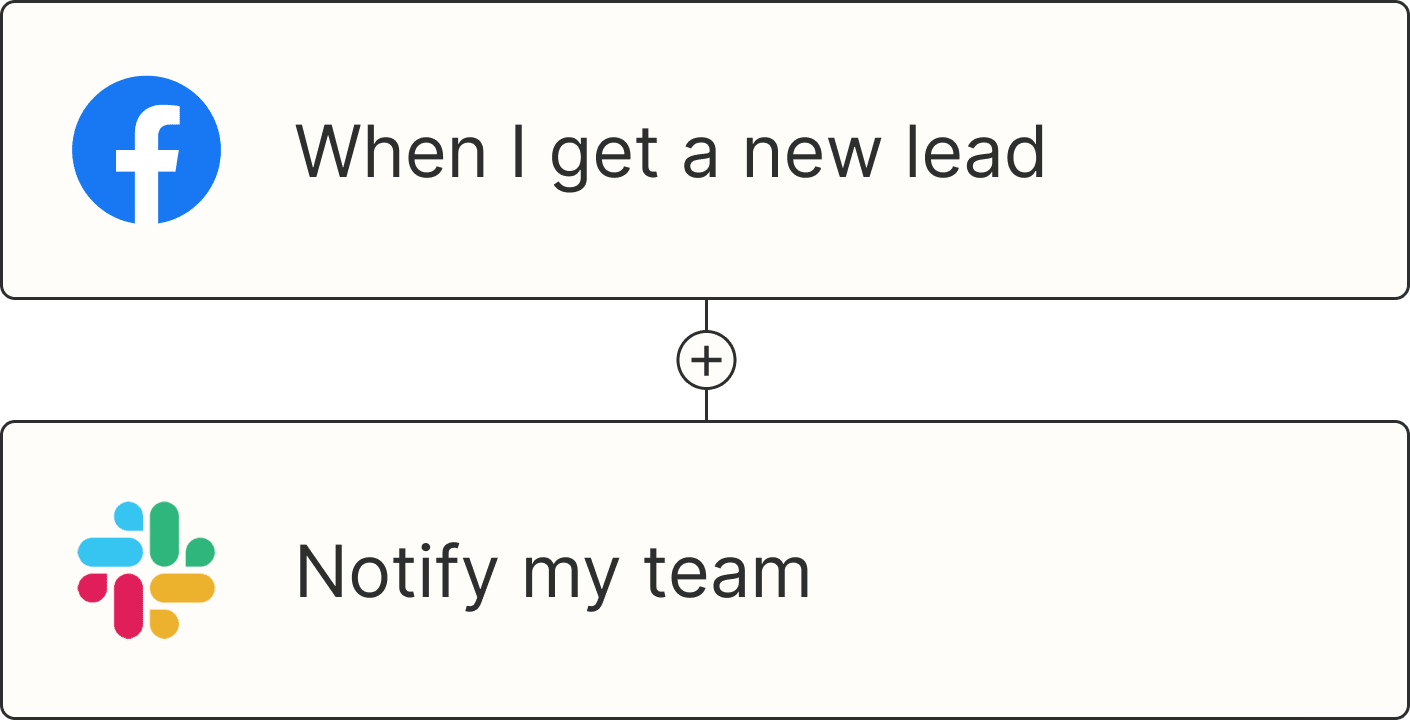
Capture/Ingest: This is the moment raw data first enters your system and starts the automation. In Zapier, this is a trigger that sets off your entire workflow, like receiving a message on Slack or capturing a new lead on HubSpot. With Zapier MCP, it can also start with you asking your favorite AI tool to do something.
Read/Recognize: Next, the automation parses the file to distinguish between text, images, or specific document types. This is where you could implement an AI step in your workflow.
Classify: Here, the AI system determines exactly what kind of data it's holding (e.g., a support ticket versus a sales lead) so it can follow the appropriate rules and prepare it for processing.
Extract: The system extracts the relevant fields from incoming data. For example, if you included an invoice tool like Stripe in your workflow, Zapier could extract data points like the vendor name, invoice number, payment amount, and due date.
Validate: This step serves as a quality check to ensure the information is accurate and adheres to your specific formatting rules. Formatter by Zapier can do the heavy lifting here to fix things like dates, names, and phone numbers.
Route: Once the data is clean, it needs a map to navigate to one or more apps at once. Your Zapier workflow can give directions to destinations like your CRM, a Zapier Table, or Slack.
Write: The final data handoff where the automation actually types the information into the correct fields in your destination tool. This is the action step where Zapier officially inputs the data into the endpoint.
Log/store: Finally, you need a permanent record of the work to keep your audit trail clean and your reporting accurate. Zapier connects to 9,000+ apps, so you can store the data in any source-of-truth app. Or you can use Zapier Tables to log every entry that passes through your Zap workflows into a central, searchable database.
How you'll use automated data entry
At this point, you've learned some of the frameworks of automated data entry, but you're probably dying to know how you can apply them to different areas of your business. Well, you're in luck: I brought my fancy hat and crystal ball to work today.
Accounting and finance
I'd argue that accounting and finance professionals spend more time living in data than just about anyone in your organization. These positions require high-level attention for data entry tasks, such as capturing invoice data. One missed zero or misplaced decimal point can lead to angering a prized client, or your intern getting the paycheck of her life and running off to Latin America. Bookkeeping automation can lower these risks.
Human resources
An HR department used to be a breeding ground for manual data processes: new-hire onboarding, thousands of job applicants, payroll, and benefits, all mixed together to create a never-ending data nightmare. Now, an automated workflow can create those records automatically, and keep information moving so processes don't end when the HR team clocks off.
StackAdapt's hiring data wasn't organized, and the applicant tracking system (ATS) couldn't connect with the HRIS. But once it automated its workflow by using Zapier to route hiring data to the proper teams, it now saves 10+ hours a week.
Customer service
Have you ever switched to another business after having to repeat your information and situation three times to four different reps? Automating data processing helps you deliver excellent customer service, protect your company's reputation, and retain hard-earned customer trust.
ServiceTitan struggled to provide customers with tailored communications, which often led to a negative customer experience across multiple apps and touchpoints. By using Zapier, they routed their data entry to the right apps at the right time, which allowed them to follow up quickly and efficiently with leads in the pipeline.
Sales and RevOps
Salespeople do a lot of talking, but they do a lot of data entry, too. These revenue-generating teams can lose time manually updating CRM records, logging meeting notes, and tracking deal activity across tools. Automation can capture meeting summaries, update deal stages, and log new contacts automatically, so sales reps spend more time selling instead of updating.
For example, Drive Social Media had problems with strategic growth; its new sales and marketing initiatives were hampered by internal systems that required frequent developer support. The team streamlined workflows and built AI-driven systems with Zapier to automate multi-layered sales reporting, enabling their team to pitch more effectively and close deals faster.
Benefits of automating business data
If you wake up with a burning desire to become a sailor, they say to keep some citrus on board your ship to ward off scurvy. It turns out that scurvy and manual data entry come with some similar symptoms: extreme fatigue, irritability, aching joints, and tooth loss (ok, maybe that last one is just scurvy).
You can prevent these horrifying symptoms with your own batch of automated data entry lemons. Here are a few benefits.
Speed: Automating data entry means your data moves automatically. There's no lag time or waiting for the sales team to update deal statuses before the finance team approves the deal amount. No one is sitting idle, and your business moves faster.
Accuracy: I'm great at a lot of things; I'm not great at manually entering 16-digit SKU codes into a database for hours straight. If you're anything like me, automated data tools help you make way fewer mistakes.
System scalability: Let's say your database explodes overnight: you get 1,000 new product orders or your lead magnet goes viral and collects 357 new prospects. Manual data entry teams wouldn't be able to keep up; a team with automated data entry doesn't even break a sweat.
Issue triage: Everyone makes mistakes—sometimes even robots. Automated data entry tools can flag errors and discrepancies before a simple error turns into a full-scale meltdown.
Limitations to data automation
You can drape automated data entry in any number of superlatives, and easy really only applies with Zapier. When people aren't using in-depth automated workflows, a few things trip people up the most:
Incorrect inputs: Garbage in, garbage out applies to data automation too. Audit your data quality before you build to catch bad inputs before they move anywhere.
Regulatory limitations: For some industries, automation can be a legal liability. The key is building your workflows with compliance in mind from the start: document your data flows, include human review steps for sensitive data, and ensure your automation platform meets the security standards your industry requires.
System complexity: As you automate data, you create increasingly interconnected systems. The best way to manage this is to start small; automate one workflow, make sure it runs cleanly, then build from there. Trying to automate everything at once is how you end up with a system nobody can maintain.
A lot of these issues can be solved by picking the right automation partner. Zapier allows you to build comprehensive no-code workflows in minutes, sync all of your tools (without risking a system crash), and automate your data entry from end to end. Plus, you'll get enterprise-grade security to be confident that your data is safe.
Get started with automated data entry on Zapier
The whole point of automated data entry is simple: stop making people do work that software can handle. When data moves itself, your team gets to spend their time on the stuff that actually requires a human.
With Zapier, you can build an end-to-end automated data entry system. In just a few steps, you can connect 9,000+ apps, build no-code workflows, and create your own data-sharing powerhouse. And if you spend most of your time in an AI chatbot like ChatGPT or Claude, you can automate data entry directly from the chat interface. Take Zapier for a spin and see how much data entry you can automate.
Related reading: