Ignacio Piñeiro runs operations at Galgo, a fintech that lends money for motorcycles across Mexico. Every loan he approves hinges on a simple question: Did this delivery actually happen as it should?
Three thousand photos, one last chance
Each motorcycle Galgo finances requires proof of delivery — a photo of the customer with their new vehicle — before they can start collecting the loan. That photo is the company's main defense against delivery fraud. If fake, wrong, or low-quality evidence slips through, Galgo can finance a delivery that never happened. "It's our main defense against delivery fraud... This is the last step of the process... our last chance to detect fraud and weed out bad actors," Ignacio explains.
The scale creates pressure. Agencies submit over 3,000 delivery photos per month. Under the manual system, reviewers downloaded, opened, inspected, and logged each photo by hand — roughly three minutes each. That added up to 150 hours of manual review every month. Worse, invalid photos still got through because reviewers were prone to error and not exclusively focused. About 8% of the evidence was invalid under manual review.
Ignacio faced a capacity constraint. Without automation, reviewing every submission by hand would require hiring substantially more people.
The reframe that changed everything
Galgo’s teams are scrappy and stretched thin. Ignacio realized the problem was not simply speed. It was consistency.
“I didn’t want to review faster,” Ignacio says. “I wanted the judgment made instantly and consistently, so my team only touches exceptions.”
That reframe shifted the design. Instead of trying to process 3,000 photos faster, Ignacio decided the system should make most judgments automatically and route only suspicious cases to human reviewers.
“Trying out what models could analyze and be consistent with our own judgment made me realize we could do this in a smarter way.”
How the fraud detection system works
When an agency logs a delivery in Galgo’s app, a trigger looks up the associated deal in HubSpot and extracts the delivery photo from the database.
The photo is sent to AI by Zapier running GPT-5-mini with strict validation rules: a real customer and an eligible vehicle must appear together in a real photo. Watermarks are acceptable. Stock photos and signed documents are not.
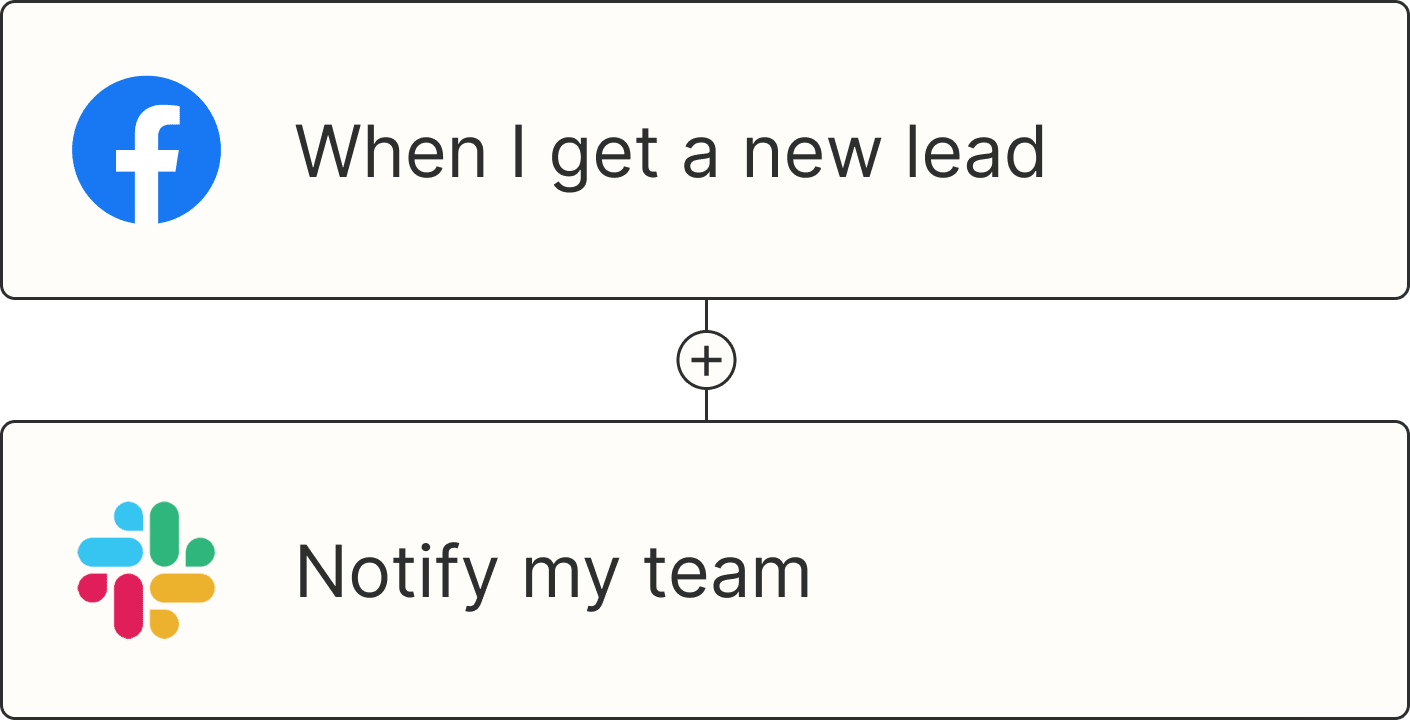
The AI returns a verdict—VALID or INVALID—in seconds. For invalid photos, a second model classifies the specific reason for rejection. Every decision is logged in Google Sheets and triggers a Slack alert to the Success and Fraud team.
Human reviewers now handle only flagged exceptions. They no longer review all 3,000-plus monthly submissions.
“Every verdict lands in a Google Sheet and a Slack channel the Fraud team watches, so nothing is a black box—they can open any photo and check the call,” Ignacio explains. His monitoring philosophy is simple: “If the AI were wrong often, they’d see it and tell me.”
When mistakes happen, he tunes the prompt around real failure modes, such as camera watermarks being misread as stock photos or showroom images that look suspicious but are legitimate.
The pattern to use in your own work: Exception-based review changes the economics of any control process. Focus human attention on the risks that matter, not everything that moves.
The numbers that prove it works
Invalid delivery evidence dropped from roughly 8% to under 2% of submissions. The system has screened more than 3,000 photos per month automatically since January 2026. Manual review time fell from 150 hours per month to only the flagged cases—fewer than 60 photos monthly.
“Seeing the drop in invalid evidence was really validating for me as the person who proposed the automation. It not only improved the metric itself; it allowed us to educate our dealers and produce change at an unthinkable scale at the time.”
The Fraud team still owns the process. The difference is that reviewers now focus their expertise on genuinely suspicious cases rather than scrutinizing every delivery photo that comes through the door.
The business impact is also meaningful. Ignacio estimates the reduction in invalid evidence represents at least tens of thousands of dollars in avoided first-payment defaults, while giving Galgo a more effective way to decide who to lend to.
Where this leads
Ignacio’s approach signals a shift in how operations teams think about control. When consistent judgments can happen instantly, the question isn't how fast a team can process everything. It's the decisions that actually need human expertise.
The pattern extends beyond fraud detection. Quality control, compliance review, and content moderation all involve processes in which teams check everything to catch exceptions.
“Be bold and dare to try,” Ignacio says. “AI is a complementary tool to human judgment. Leverage your operation with it and have it learn from mistakes, just like a human team does. Don’t expect to relinquish every aspect of business decisions to automated systems. Make it your ally, especially when you’re stretched thin.”