Connect Amazon S3 and Microsoft Teams to power AI-driven automation
- No-code AI automation
- Full audit trails and controls
- SOC 2 and GDPR compliant
- Easy visual workflow builder
- 8,000+ apps, 450+ AI tools
- Free tier available
How Zapier works
Zapier makes it easy to integrate Amazon S3 with Microsoft Teams - no code necessary. See how you can get setup in minutes.


Choose a trigger
A trigger is the event that starts your Zap—like a "New Bucket" from Amazon S3.
Add your action
An action happens after the trigger—such as "Create Channel" in Microsoft Teams.
You’re connected!
Zapier seamlessly connects Amazon S3 and Microsoft Teams, automating your workflow.
Supported triggers and actions
Zapier helps you create workflows that connect your apps to automate repetitive tasks. A trigger is an event that starts a workflow, and an action is an event a Zap performs.
- New Bucket
Triggers when you add a new bucket.
Try ItTriggerPolling - Bucket NameRequired
ActionWrite- Bucket_name
- KeyRequired
- Keep_leading_slash
- ContentRequired
ActionWrite- TeamRequired
Try ItTriggerPolling
- BucketRequired
- Folder
Try ItTriggerPolling- Bucket_name
- KeyRequired
- Keep_leading_slash
- FileRequired
- Mimetype
ActionWrite- S3 UrlRequired
ActionSearch- TeamRequired
- ChannelRequired
- Member
- Highlight Word
Try ItTriggerPolling

Zapier is the automation platform of choice for 87% of Forbes Cloud 100 companies in 2023




93%
Customers who say using Zapier has made them better at their job
25m
Customers have created over 25 million Zaps on the platform
6 mins
The average user takes less than 6 minutes to set up a Zap
Connect Amazon S3 and Microsoft Teams to integrate crucial parts of your business
With Zapier, you can integrate everything from basic data entry to end-to-end processes. Here are some of the business-critical workflows that people automate with Zapier.
Automate your lead management and improve conversions
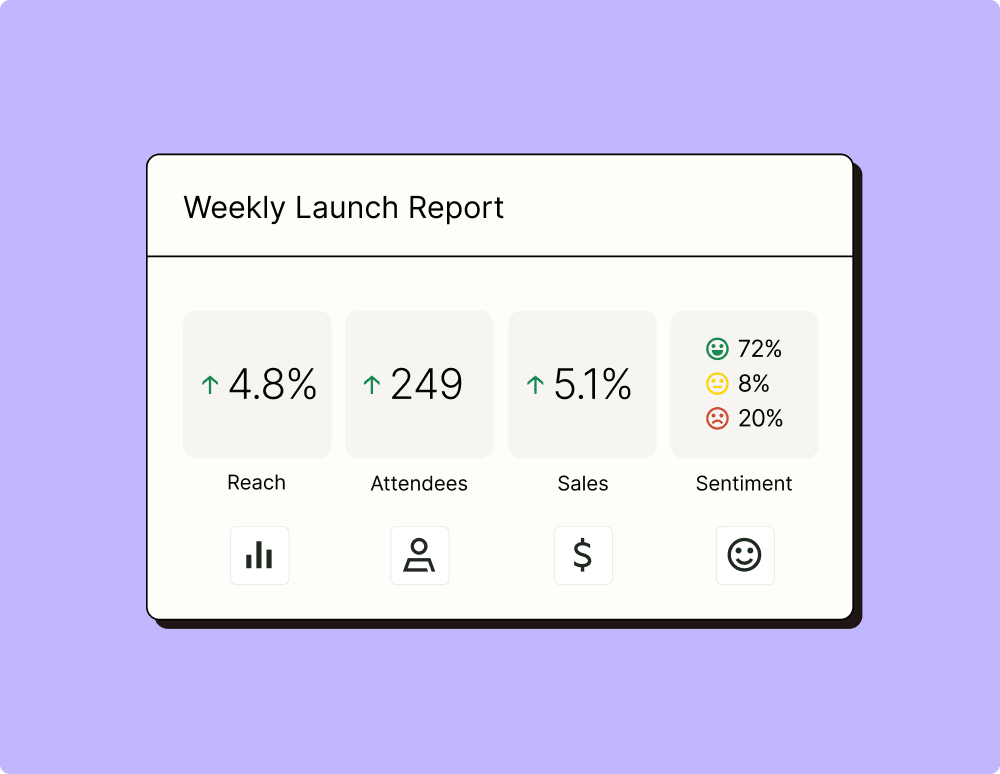
Create more impactful campaigns with automation
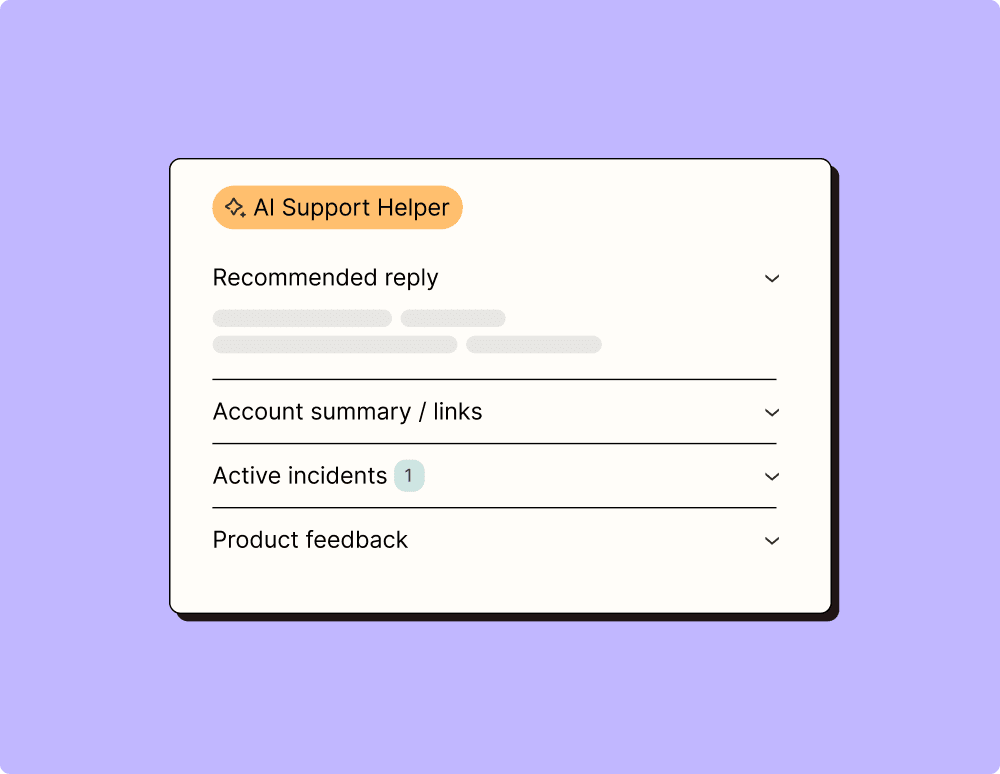
Provide world-class support with a little help from automation
Automate your way to actionable, up-to-date data
Resolve incidents faster with automation
Learn how to automate Amazon S3 on the Zapier blog
Learn how to automate Microsoft Teams on the Zapier blog
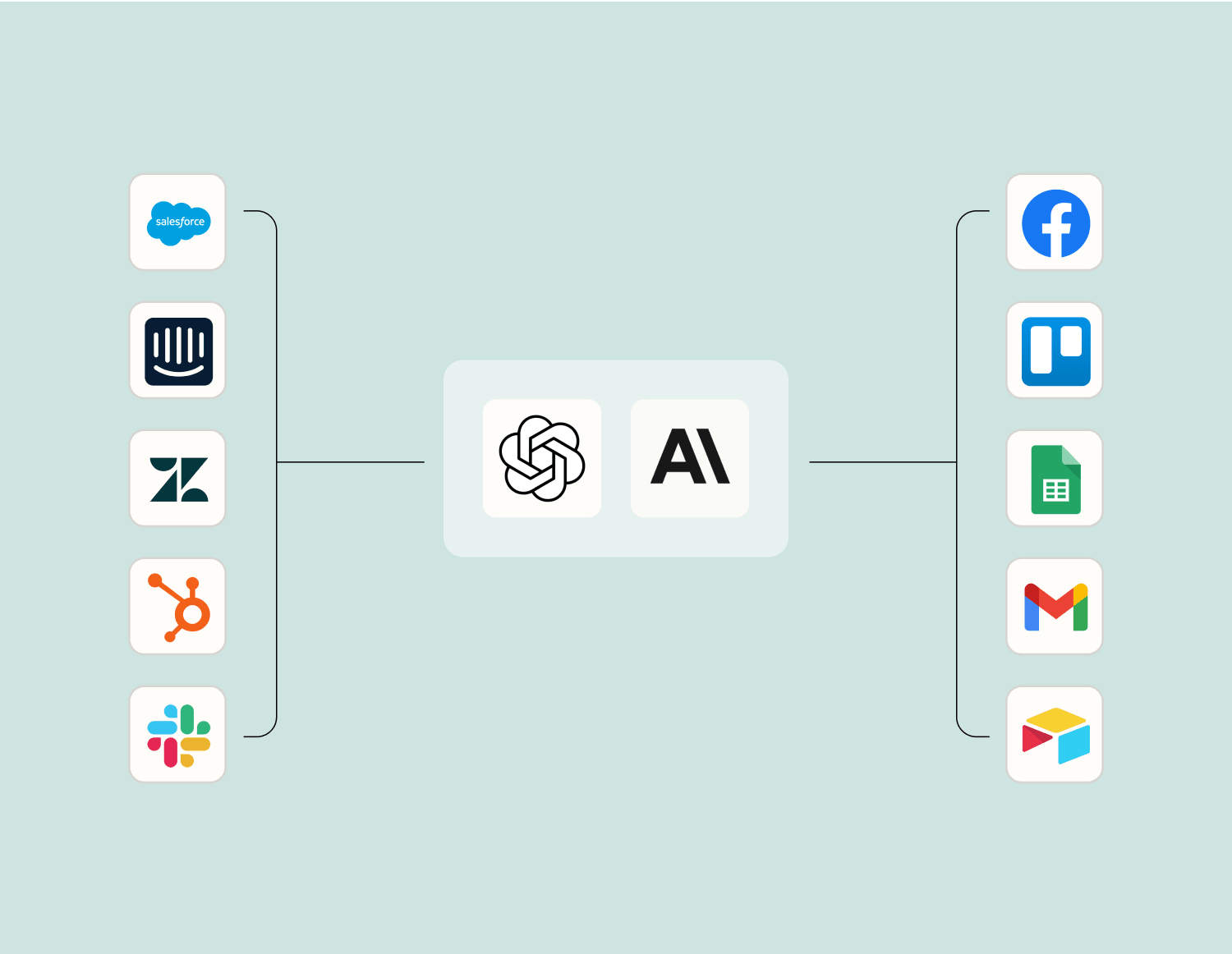
Make work flow with AI
Frequently Asked Questions about Amazon S3 + Microsoft Teams integrations
New to automation with Zapier? You're not alone. Here are some answers to common questions about how Zapier works with Amazon S3 and Microsoft Teams
What is involved in integrating Amazon S3 with Microsoft Teams?
The integration between Amazon S3 and Microsoft Teams involves setting up triggers in Amazon S3 and corresponding actions in Microsoft Teams. This can be accomplished by configuring notifications for specific events like new file uploads or modifications in your S3 bucket, which then trigger automated messages or updates within your designated Teams channels.
Can I get notified in Microsoft Teams when a new file is added to my Amazon S3 bucket?
Yes, you can receive notifications in Microsoft Teams when a new file is added to your Amazon S3 bucket. This requires setting up a trigger for the event 'New File Added' within Amazon S3 that will send an alert or message directly to your selected channel in Microsoft Teams.
Is it possible to automatically upload files from a Microsoft Teams chat to an Amazon S3 bucket?
Yes, it is possible to automate the uploading of files from a Microsoft Teams chat to an Amazon S3 bucket. By creating an action tied to the uploading of files or attachments within a chat or channel, those files can be seamlessly transferred into your specified S3 bucket location.
How do I handle file deletions from Amazon S3 in relation to my actions set up on Microsoft Teams?
File deletions from your Amazon S3 can trigger specific actions within Microsoft Teams if configured that way. For instance, an operation such as 'File Deleted' from an S3 bucket can be set up to notify team members by posting alerts or direct messages indicating a deletion event.
Are there any size limitations for files when integrating automatic uploads from Amazon S3 into a Teams channel?
When integrating automatic uploads from Amazon S3 into a Teams channel, any file size limitations will generally be dictated by the policies of both platforms at the time. It's important to check current guidelines and configure accordingly as both AWS and Microsoft may have their own constraints.
What types of content changes in my Amazon S3 can trigger updates in Microsoft Teams?
Content changes such as uploads, deletions, or modifications within your Amazon S3 buckets can trigger updates like notifications or messages directly into designated channels on Microsoft Teams. These triggers need precise configuration based on what type of event you want communicated.
Do I need special permissions on either platform for setting up this integration between my S3 account and our organization's Team workspace?
Integrating these services usually requires administrative access rights on both platforms—Amazon Web Services for creating triggers/filters and appropriate roles/permissions set within Microsoft's ecosystem for delivering content/actions into their Team spaces.


