Top companies trust Zapier to automate work that solves their unique business problems—no coding required.
How Zapier works
Zapier makes it easy to integrate Autotask with Microsoft Teams - no code necessary. See how you can get setup in minutes.
100%
Help
Autotask
Autotask
1. Choose trigger event
Microsoft Teams
Microsoft Teams
2. Choose action
1. Select the event
Setup
Test
Autotask
Choose a trigger event
Choose a trigger
A trigger is the event that starts your Zap—like a "New Company" from Autotask.
Add your action
An action happens after the trigger—such as "Create Channel" in Microsoft Teams.
You’re connected!
Zapier seamlessly connects Autotask and Microsoft Teams, automating your workflow.
Supported triggers and actions
Zapier helps you create workflows that connect your apps to automate repetitive tasks. A trigger is an event that starts a workflow, and an action is an event a Zap performs.
Create a new record or update an existing record in your app.
Team Member(s)
Required
Message Text Format
Message Text
Required
Action
This is an event a Zap performs.
Write
Create a new record or update an existing record in your app.
Team
Required
Channel Name
Required
Description
Action
This is an event a Zap performs.
Write
Create a new record or update an existing record in your app.
Send To
Required
Approver
Adaptive Card JSON
Required
Approve Button Label
Decline Button Label
Approval ID
Action
This is an event a Zap performs.
Write
Create a new record or update an existing record in your app.
Team
Required
Channel
Required
Message Text
Required
Message Text Format
Importance
Action
This is an event a Zap performs.
Write
Create a new record or update an existing record in your app.
Send To
Required
Message Text (Optional)
Card Type
Required
Add Message Context to Buttons
Action
This is an event a Zap performs.
Write
Create a new record or update an existing record in your app.
Chat
Required
Message ID
Required
Action
This is an event a Zap performs.
Write
Create a new record or update an existing record in your app.
Info
Display Name
First Name
Last Name
Mobile Phone
Business Phone
About Me
Birthday
Action
This is an event a Zap performs.
Write
Create a new record or update an existing record in your app.
Team
Required
Channel ID
Required
Action
This is an event a Zap performs.
Search
Find existing data in your app
Chat ID
Required
Action
This is an event a Zap performs.
Search
Find existing data in your app
Search by
Required
Action
This is an event a Zap performs.
Search
Find existing data in your app
For AI agents & developers
Use Autotask and Microsoft Teams with AI agents and code
Beyond Zap workflows. Call Autotask and Microsoft Teams actions directly from your AI client or your codebase, using the same 9,000+ app integrations Zapier already runs.
No code
Connect via Zapier MCP
Expose Autotask and Microsoft Teams actions as tools in any MCP client. Authenticate once, then call them in natural language.
Example actions on this page
Create Company
Create Channel
Works with
Claude · ChatGPT · Cursor · any MCP-compatible client
There is no Python package yet. SDK is TypeScript-only (@zapier/zapier-sdk). The MCP server URL is personal to your account; get it at zapier.com/mcp.
Zapier is the automation platform of choice for 87% of Forbes Cloud 100 companies in 2023
93%
Customers who say using Zapier has made them better at their job
25m
Customers have created over 25 million Zaps on the platform
6 mins
The average user takes less than 6 minutes to set up a Zap
Practical ways you can use Autotask and Microsoft Teams
Alert on ticket updates in Teams
Keep your team in the loop about ticket changes by linking Autotask to Microsoft Teams. When an Autotask ticket is updated, Zapier will notify your team in a specific Teams channel. This helps your team react promptly to ticket changes, improving workflow efficiency and customer satisfaction.
Stay updated on new tickets by connecting Autotask with Microsoft Teams. When a new ticket is created in Autotask, Zapier will automatically send a message to a designated Teams channel. This ensures your team stays informed about incoming issues without having to manually check Autotask.
Learn how to automate Microsoft Teams on the Zapier blog
Make work flow with AI
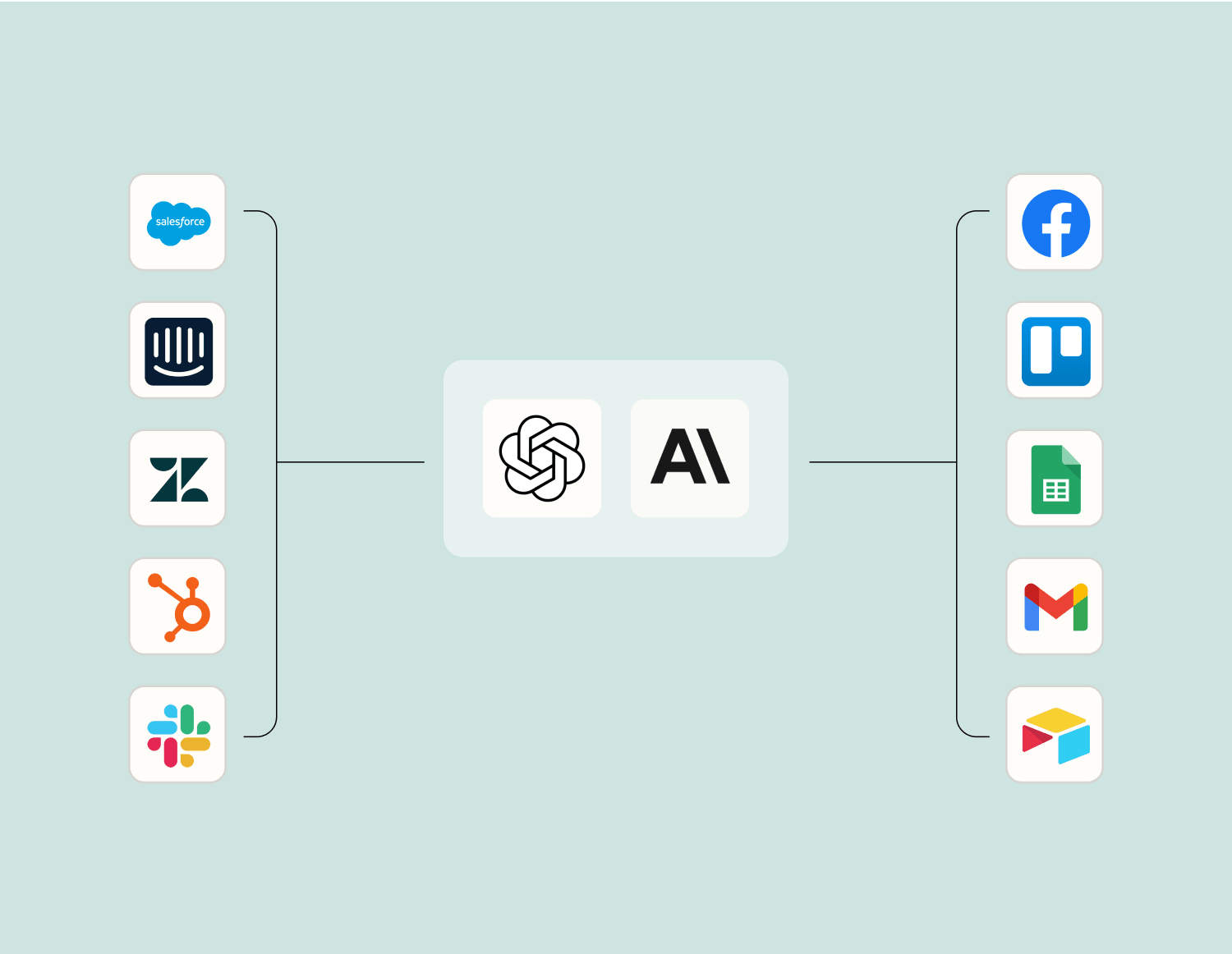
Level up your Autotask to Microsoft Teams integration with AI. Extract, summarize, and transform your integration data with leading AI models like OpenAI, Anthropic, and more.
Frequently Asked Questions about Autotask + Microsoft Teams integrations
New to automation with Zapier? You're not alone. Here are some answers to common questions about how Zapier works with Autotask and Microsoft Teams
What are the basic steps to integrate Autotask with Microsoft Teams?
To integrate Autotask with Microsoft Teams, you'll first need to create a Zap that connects the two platforms. This involves selecting a trigger from Autotask, such as 'New Ticket' or 'Updated Account,' and then choosing an action within Microsoft Teams, like 'Send Channel Message' or 'Create Channel.' Once these are set up, you'll need to authenticate both accounts in the Zap editor and map out how the data should be transferred between them.
Can I receive notifications in Microsoft Teams for new tickets created in Autotask?
Yes, you can set up a trigger for 'New Ticket' in Autotask which sends a message notification directly to a specific channel in Microsoft Teams whenever a new ticket is created. This helps you stay updated on incoming support requests without having to leave Teams.
How does updating an account in Autotask trigger actions in Microsoft Teams?
If you update an account in Autotask, you can use this as a trigger to perform actions in Microsoft Teams. For example, you could post an update message in a designated channel or notify team members about changes made to key accounts.
Is it possible to add task creation as an action from messages received in Microsoft Teams?
While our current integration supports sending messages from triggers, creating tasks directly from messages received isn't available yet. However, users can manually input details into Autotask once notified via Teams.
Are there options available for customizing messages sent from Autotask triggers?
Yes, when setting up your action step in Microsoft Teams after selecting an appropriate trigger from Autotask, you have the ability to customize messages. You can include dynamic fields such as ticket number or customer name and format your message content as needed.
What should I do if I'm experiencing issues connecting my Autotask account?
If you're facing issues connecting your Autotask account during setup, ensure that your API credentials are correct and have necessary permissions enabled. Double-check any changes recently made on either platform that might affect connectivity and try reconnecting again through our platform settings.
Can task status updates be automatically shared with teams via Microsoft Teams?
Certainly! Setting up an automation where task status changes in Autotask serve as triggers will allow you to automatically send notifications about those changes within your team channels on Microsoft Teams. This keeps all team members informed about project progress and deadlines.
About Autotask
Autotask provides an IT business management solution that combines service desk, CRM, projects, time and expense, billing and more.
Microsoft Teams is the hub for teamwork in Office 365 that integrates all the people, content, and tools your team needs to be more engaged and effective.