Connect Google Calendar and HoneyBook to power AI-driven automation
- No-code AI automation
- Full audit trails and controls
- SOC 2 and GDPR compliant
- Easy visual workflow builder
- 9,000+ apps, 450+ AI tools
- Free tier available
Launch your first automated workflow
Start with a template that brings Google Calendar and HoneyBook together. Build enterprise-grade automation in minutes.
Our most popular template


How Zapier works
Zapier makes it easy to integrate Google Calendar with HoneyBook - no code necessary. See how you can get setup in minutes.

Choose a trigger
A trigger is the event that starts your Zap—like a "New Calendar" from Google Calendar.
Add your action
An action happens after the trigger—such as "Create Project" in HoneyBook.
You’re connected!
Zapier seamlessly connects Google Calendar and HoneyBook, automating your workflow.
Supported triggers and actions
Zapier helps you create workflows that connect your apps to automate repetitive tasks. A trigger is an event that starts a workflow, and an action is an event a Zap performs.
- New Calendar
Triggers when a calendar is created.
Try ItTriggerPolling - CalendarRequired
- Search_term
Try ItTriggerPolling- CalendarRequired
- Expand Recurring Events
Try ItTriggerInstant- CalendarRequired
- Search_termRequired
- Trigger on newly created events only?
Try ItTriggerPolling
- CalendarRequired
Try ItTriggerPolling- CalendarRequired
- Time Before
- Time Before (Unit)
- Search_term
Try ItTriggerPolling- CalendarRequired
Try ItTriggerInstant- CalendarRequired
- EventRequired
- Attendee/sRequired
ActionWrite
For AI agents & developers
Use Google Calendar and HoneyBook with AI agents and code
Beyond Zap workflows. Call Google Calendar and HoneyBook actions directly from your AI client or your codebase, using the same 9,000+ app integrations Zapier already runs.
Connect via Zapier MCP
Expose Google Calendar and HoneyBook actions as tools in any MCP client. Authenticate once, then call them in natural language.
Example actions on this page
Works with
Claude · ChatGPT · Cursor · any MCP-compatible client
Call from code with the Zapier SDK
Trigger Google Calendar and HoneyBook actions from backend services, scripts, or agent code.
Install
# TypeScript / Node
npm install @zapier/zapier-sdk
Run an action
import { createZapierSdk } from '@zapier/zapier-sdk';

const zapier = createZapierSdk();
await zapier.runAction({ /* google-calendar / honeybook action */ });There is no Python package yet. SDK is TypeScript-only (@zapier/zapier-sdk). The MCP server URL is personal to your account; get it at zapier.com/mcp.
Zapier is the automation platform of choice for 87% of Forbes Cloud 100 companies in 2023



93%
Customers who say using Zapier has made them better at their job
25m
Customers have created over 25 million Zaps on the platform
6 mins
The average user takes less than 6 minutes to set up a Zap
Connect Google Calendar and HoneyBook to integrate crucial parts of your business
With Zapier, you can integrate everything from basic data entry to end-to-end processes. Here are some of the business-critical workflows that people automate with Zapier.
Automate your lead management and improve conversions
Create more impactful campaigns with automation
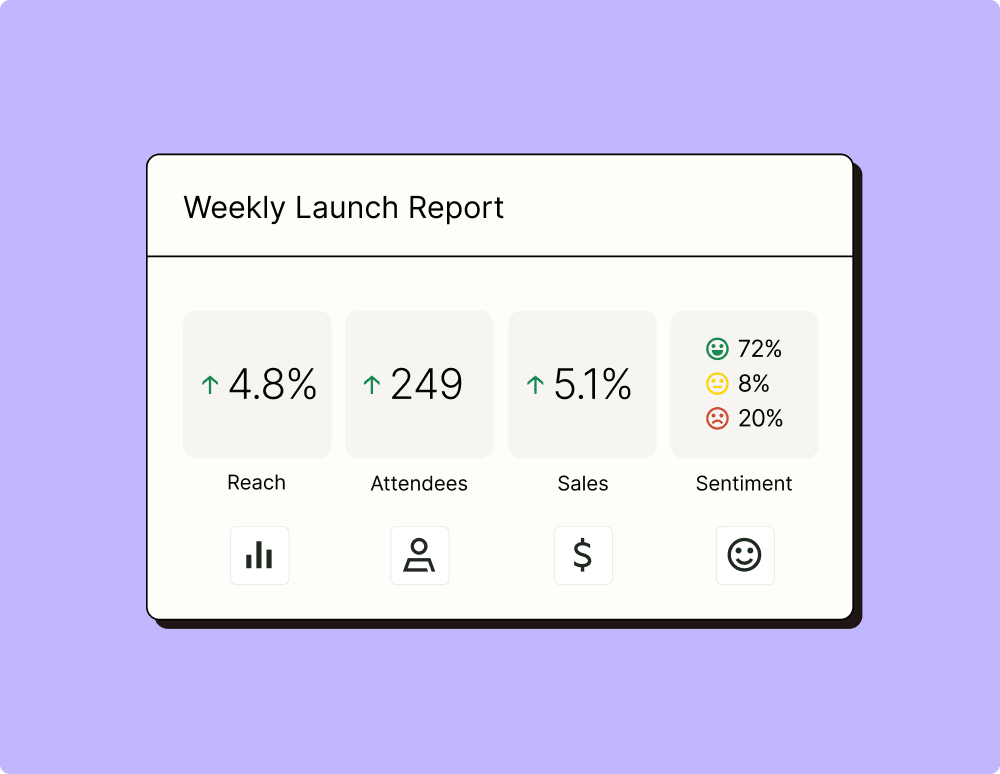
Provide world-class support with a little help from automation
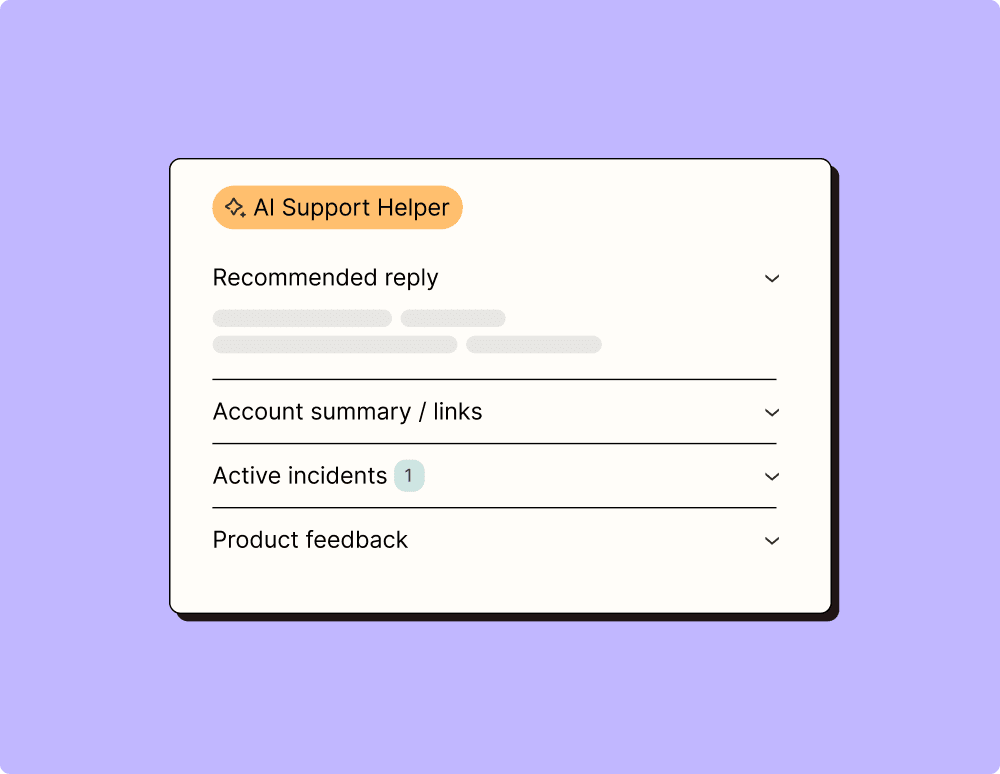
Automate your way to actionable, up-to-date data
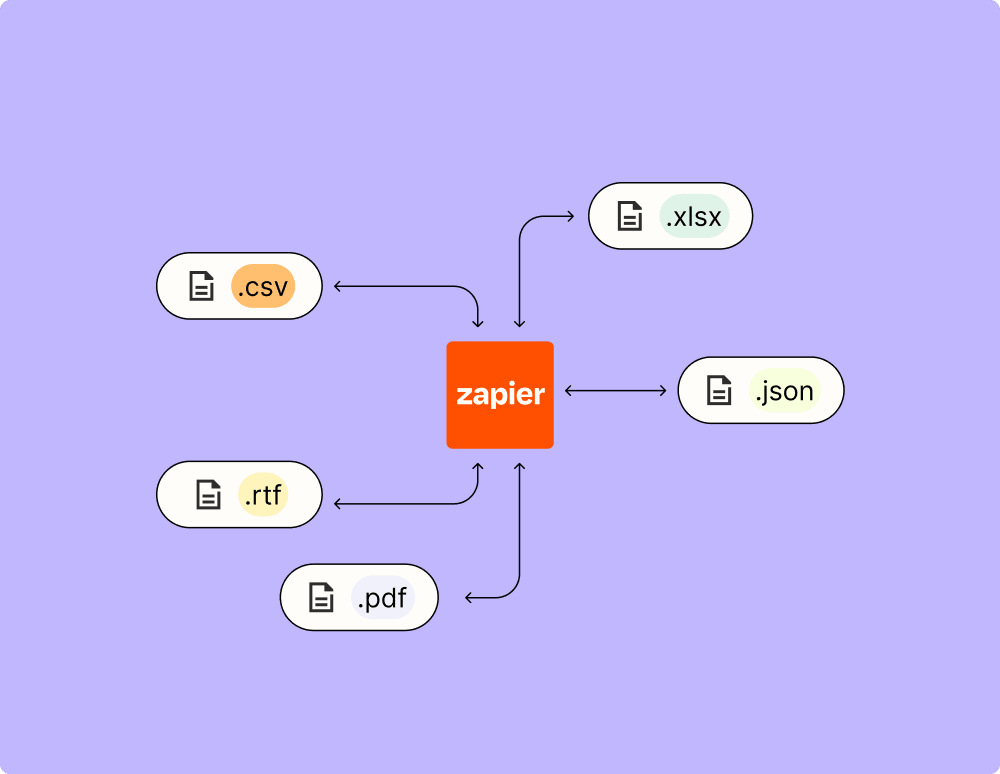
Resolve incidents faster with automation
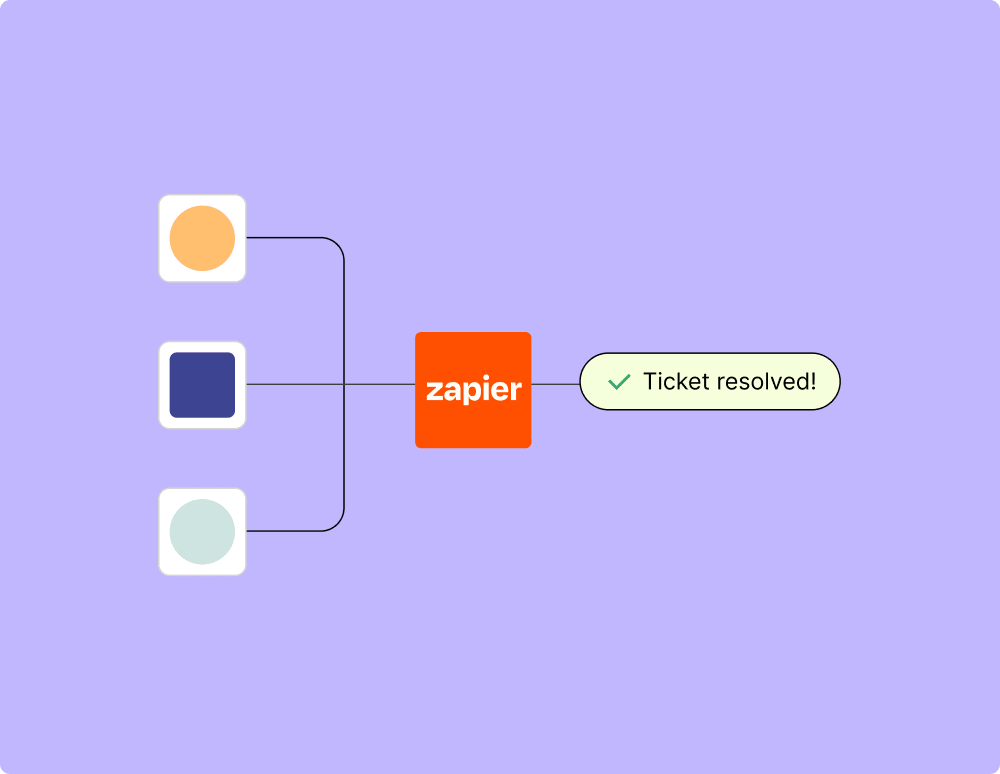
Learn how to automate Google Calendar on the Zapier blog
Learn how to automate HoneyBook on the Zapier blog
Make work flow with AI
Frequently Asked Questions about Google Calendar + HoneyBook integrations
New to automation with Zapier? You're not alone. Here are some answers to common questions about how Zapier works with Google Calendar and HoneyBook
How can I integrate Google Calendar with HoneyBook?
To integrate Google Calendar with HoneyBook, you need to set up triggers and actions between the two platforms. Start by choosing Google Calendar as your trigger app with an event like 'New Event Created'. Then, select HoneyBook as your action app to create a corresponding task or project update.
What are the required triggers for synchronizing events from Google Calendar to HoneyBook?
The required trigger for this integration is typically 'New Event Created' in Google Calendar. This trigger will allow you to automatically create or update projects in HoneyBook whenever a new event is added to your calendar.
Can I automate updates in my HoneyBook projects when changes occur in my Google Calendar?
Yes, by using a trigger such as 'Event Updated' in Google Calendar, you can automate updates to your existing projects or tasks in HoneyBook.
Is it possible to sync back changes from HoneyBook to Google Calendar?
Currently, the primary function is to pull data from Google Calendar into HoneyBook. However, syncing changes back from HoneyBook into Google Calendar isn’t fully automated without setting up additional custom integrations or options that reflect changes bidirectionally manually.
What happens if a Google Calendar event is deleted? Will it be removed from HoneyBook as well?
If you set up a 'Event Deleted' trigger in Google Calendar, you can configure it so that when an event is deleted in your calendar, the corresponding entry in HoneyBook gets updated or marked similarly. Ensure this rule is defined during setup.
Do I need specific permissions on my Google account to integrate with HoneyBook?
Yes, you will need appropriate permissions such as access rights on both platforms – ensuring that your account can read/write events on Google Calendar and make necessary updates within the hydbook project space.
How do we handle time zone differences between Google Calendar and HoneyBook during integration?
Our integration tools typically handle time zones automatically. However, it's always wise to check configuration settings on both platforms to ensure they match local preferences across all devices used.