Connect Klaviyo and MailerLite Classic to power AI-driven automation
- No-code AI automation
- Full audit trails and controls
- SOC 2 and GDPR compliant
- Easy visual workflow builder
- 9,000+ apps, 450+ AI tools
- Free tier available
Launch your first automated workflow
Start with a template that brings Klaviyo and MailerLite Classic together. Build enterprise-grade automation in minutes.
Our most popular template


How Zapier works
Zapier makes it easy to integrate Klaviyo with MailerLite Classic - no code necessary. See how you can get setup in minutes.


Choose a trigger
A trigger is the event that starts your Zap—like a "New Event" from Klaviyo.
Add your action
An action happens after the trigger—such as "Create/Update Subscriber" in MailerLite Classic.
You’re connected!
Zapier seamlessly connects Klaviyo and MailerLite Classic, automating your workflow.
Supported triggers and actions
Zapier helps you create workflows that connect your apps to automate repetitive tasks. A trigger is an event that starts a workflow, and an action is an event a Zap performs.
- Metric
Try ItTriggerPolling- Channel
Try ItTriggerPolling- TagRequired
- ListRequired
ActionWrite- List NameRequired
ActionWrite
- Audience Type
Try ItTriggerPolling- Profile IDRequired
- ListRequired
ActionWrite- TagRequired
- SegmentRequired
ActionWrite- Email
- First_name
- Last_name
- Phone_number
- Title
- Organization
- City
- Region
- Country
- Zip
- Image URL
- Unique_id
- Custom_properties
- Consent to subscribe to Channel
- SMS Subscription Type
ActionWrite
For AI agents & developers
Use Klaviyo and MailerLite Classic with AI agents and code
Beyond Zap workflows. Call Klaviyo and MailerLite Classic actions directly from your AI client or your codebase, using the same 9,000+ app integrations Zapier already runs.
Connect via Zapier MCP
Expose Klaviyo and MailerLite Classic actions as tools in any MCP client. Authenticate once, then call them in natural language.
Example actions on this page
Works with
Claude · ChatGPT · Cursor · any MCP-compatible client
Call from code with the Zapier SDK
Trigger Klaviyo and MailerLite Classic actions from backend services, scripts, or agent code.
Install
# TypeScript / Node
npm install @zapier/zapier-sdk
Run an action
import { createZapierSdk } from '@zapier/zapier-sdk';

const zapier = createZapierSdk();
await zapier.runAction({ /* klaviyo / mailerlite-classic action */ });There is no Python package yet. SDK is TypeScript-only (@zapier/zapier-sdk). The MCP server URL is personal to your account; get it at zapier.com/mcp.
Zapier is the automation platform of choice for 87% of Forbes Cloud 100 companies in 2023




93%
Customers who say using Zapier has made them better at their job
25m
Customers have created over 25 million Zaps on the platform
6 mins
The average user takes less than 6 minutes to set up a Zap
Connect Klaviyo and MailerLite Classic to integrate crucial parts of your business
With Zapier, you can integrate everything from basic data entry to end-to-end processes. Here are some of the business-critical workflows that people automate with Zapier.
Automate your lead management and improve conversions
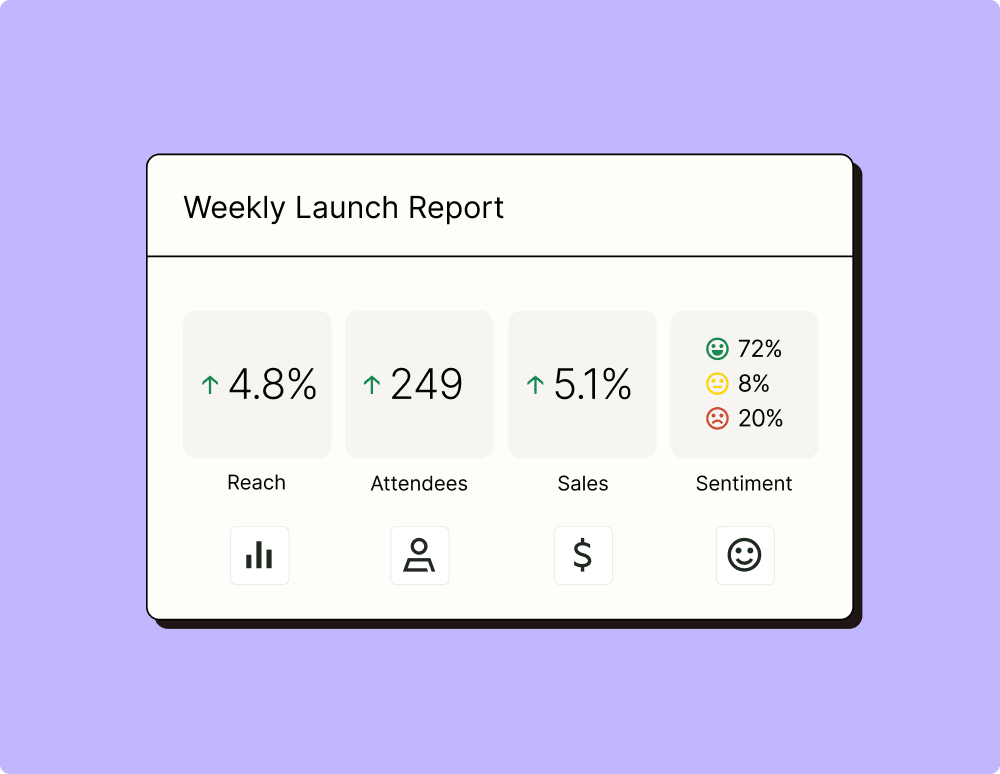
Create more impactful campaigns with automation
Provide world-class support with a little help from automation
Automate your way to actionable, up-to-date data
Resolve incidents faster with automation
Learn how to automate Klaviyo on the Zapier blog
Learn how to automate MailerLite Classic on the Zapier blog
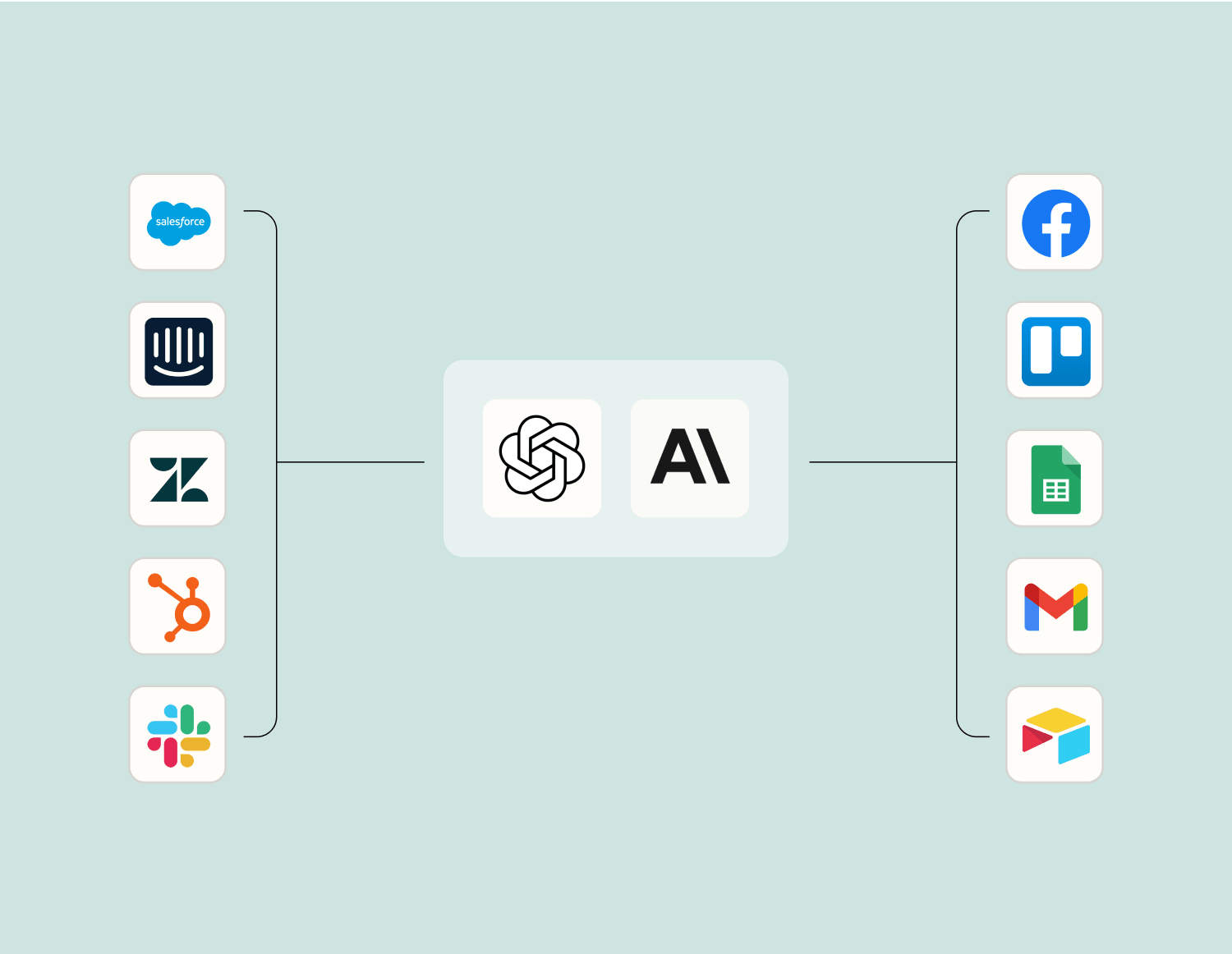
Make work flow with AI
Frequently Asked Questions about Klaviyo + MailerLite Classic integrations
New to automation with Zapier? You're not alone. Here are some answers to common questions about how Zapier works with Klaviyo and MailerLite Classic
Can I integrate Klaviyo with MailerLite Classic directly?
Currently, Klaviyo does not offer a direct integration with MailerLite Classic. However, you can set up an integration using third-party automation tools.
How do I trigger an email in MailerLite Classic when a new subscriber is added in Klaviyo?
To trigger an email in MailerLite Classic when a new subscriber is added in Klaviyo, you'll need to set up an automation that listens for the 'New Subscriber' event in Klaviyo and connects it to an 'Email Action' in MailerLite.
Is it possible to update subscriber details automatically between Klaviyo and MailerLite Classic?
Yes, automatic updates of subscriber details can be achieved by setting triggers such as 'Subscriber Updated' in Klaviyo and corresponding actions like 'Update Subscriber' in MailerLite.
What types of data can be transferred from Klaviyo to MailerLite Classic through integration?
Typically, data such as subscriber information (name, email), campaign activity (opens, clicks), and custom fields can be transferred from Klaviyo to MailerLite Classic using appropriate triggers and actions.
Can I track bounced emails from one platform on the other when integrating Klaviyo with MailerLite Classic?
Tracking of bounced emails typically requires a two-way sync where bounce events are designated as triggers in one platform, allowing status updates or tags to reflect on the other platform.
How do I ensure that unsubscribes are synced between both platforms?
Unsubscribe events can be manually matched using triggers such as 'Unsubscribe' action in either platform. This helps maintain consistency across your mailing lists by updating the subscription status on both platforms accordingly.
Are there any specific limitations I should be aware of when integrating these two platforms?
While basic data synchronization like subscribers and campaign metrics are generally seamless, limitations may exist around custom field mapping and complex automation workflows due to differing capabilities between platforms.