Zapier vs. IFTTT
Published: 9/16/2026 | By Ryan Kane
IFTTT is a good fit for lightweight personal use and smart home automation, but it was never built to run a business. Zapier is built for businesses of all sizes, from solopreneurs to enterprises, so switching means you can keep every automation you already love and add the reliability, integrations, and AI orchestration your business actually needs.
Here's what you'll get with Zapier:
Connect 9x more apps: 9,000+ integrations, governed by Zapier, compared with IFTTT's 1,000+ apps and thin coverage of core business tools.
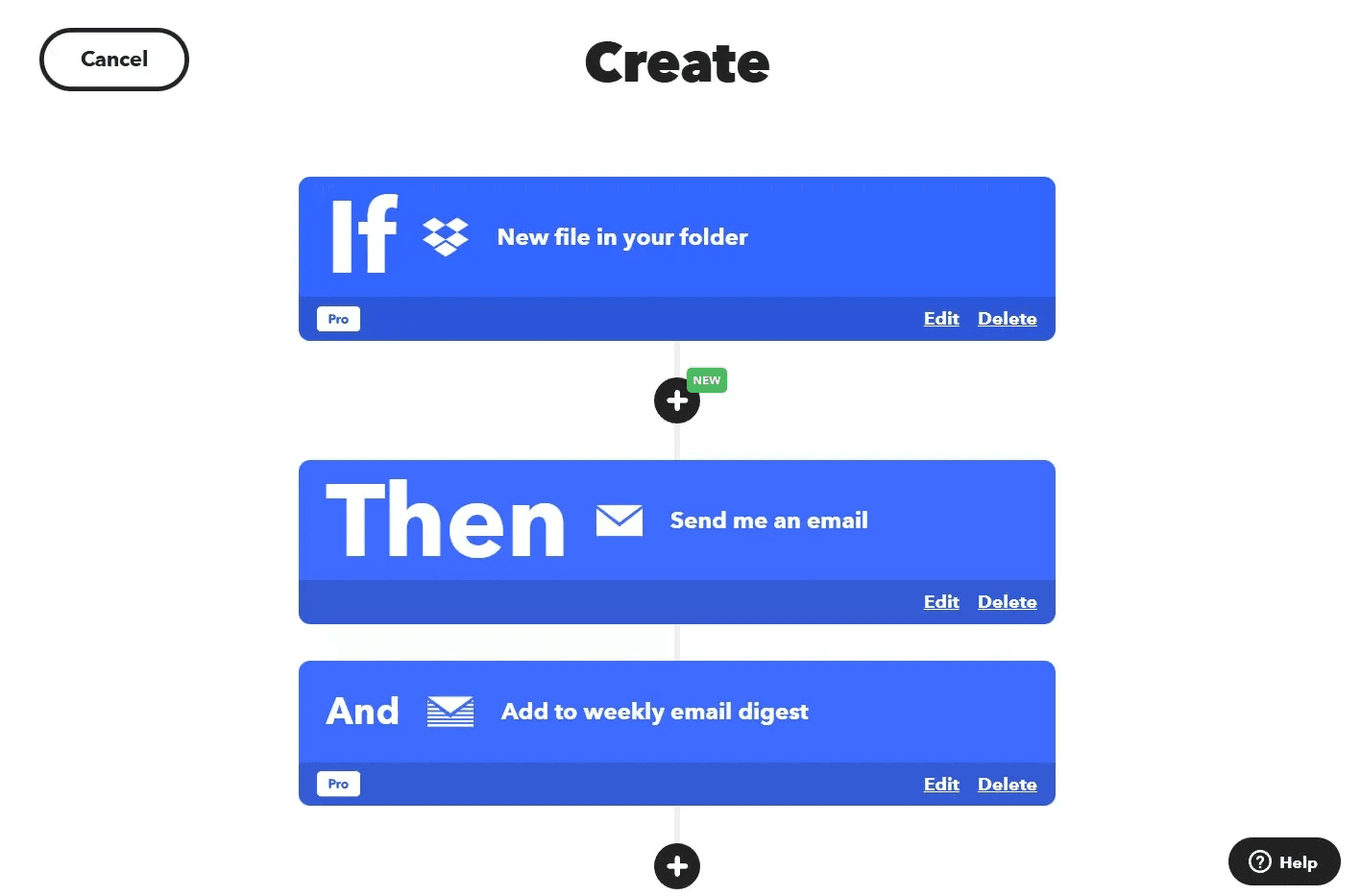
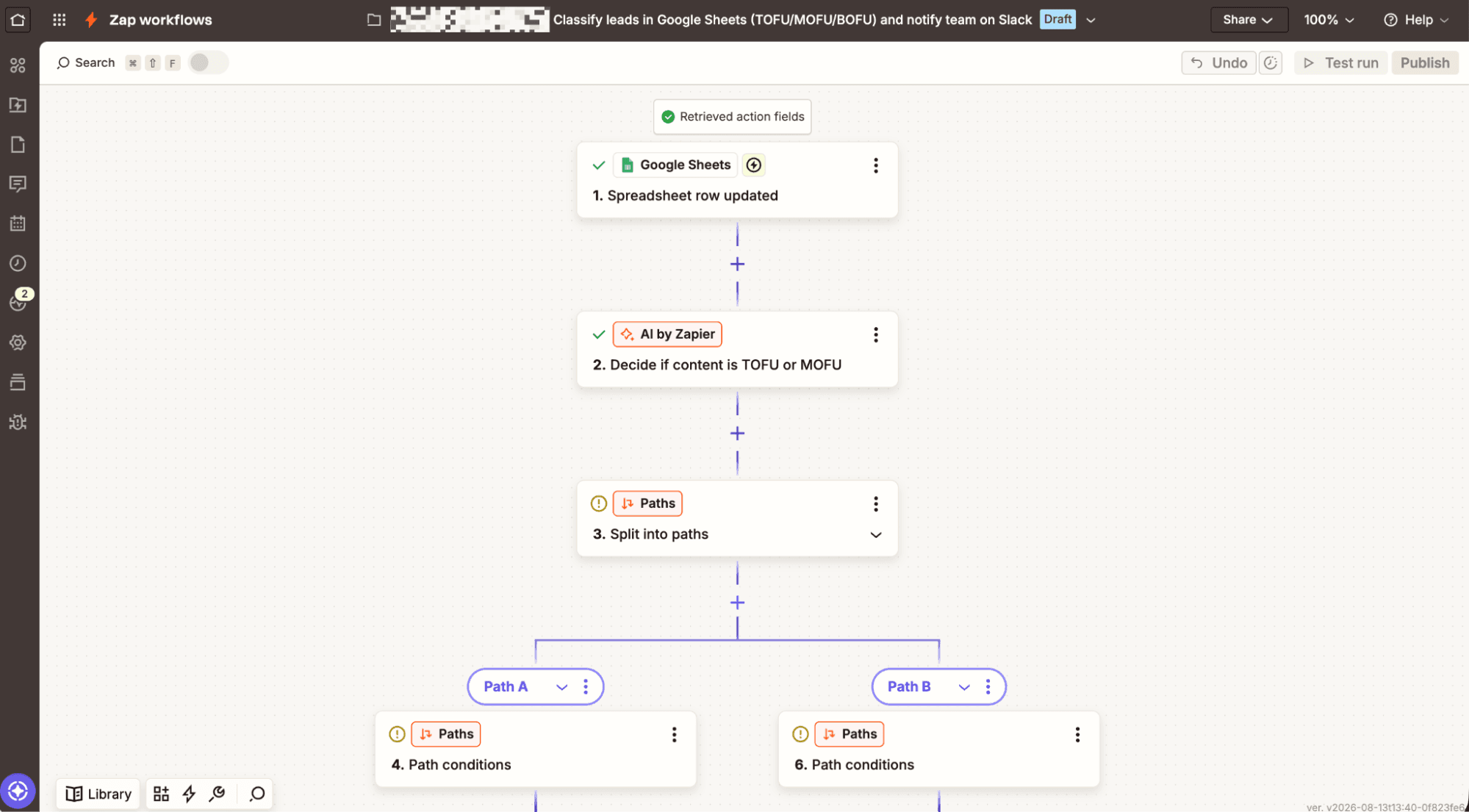
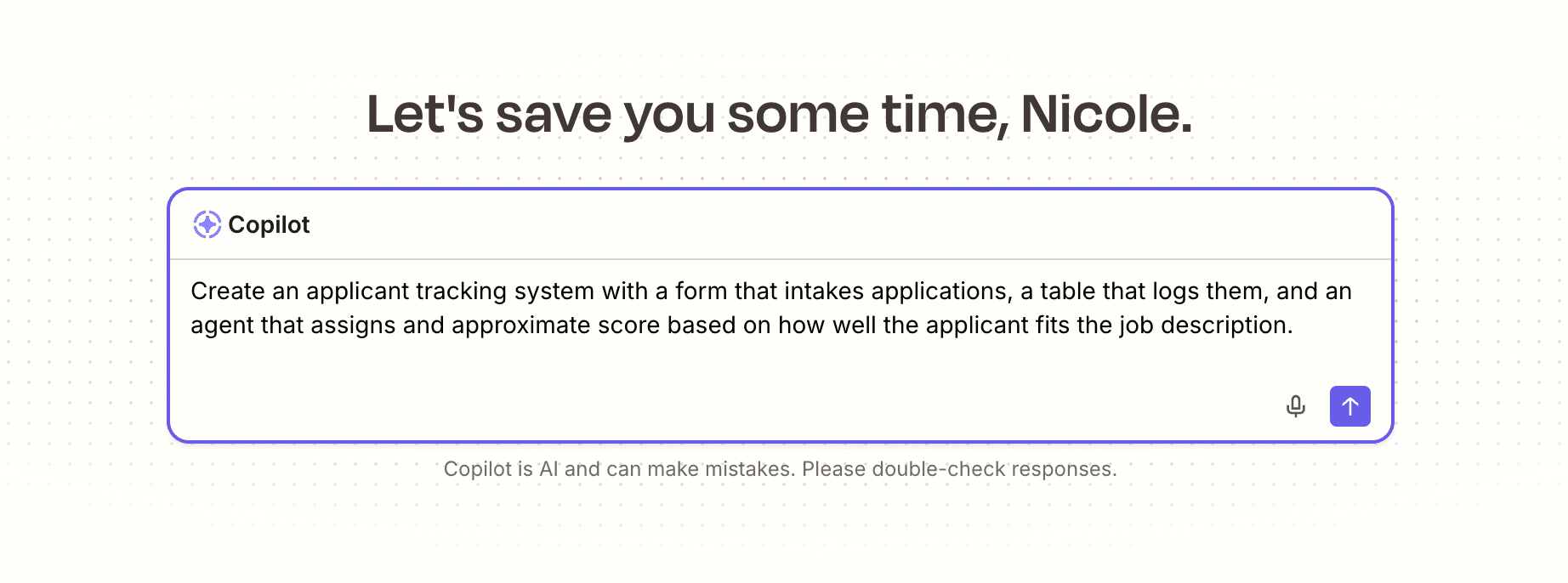
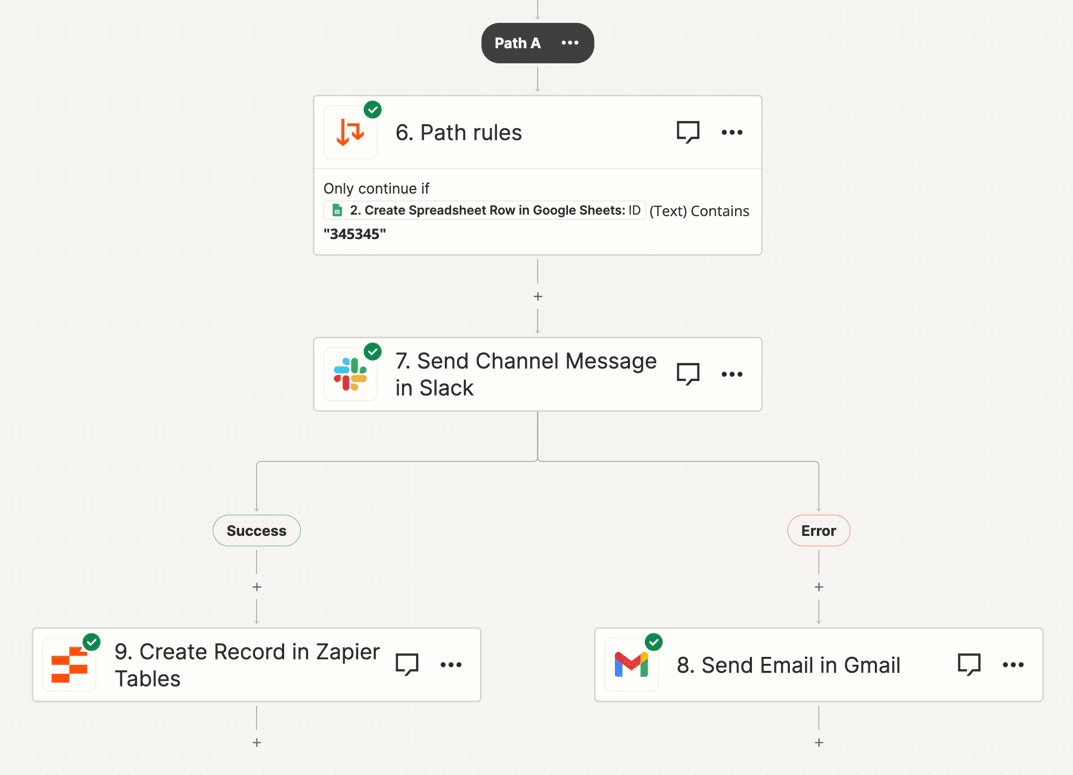
Go beyond simple Applets: Build multi-step workflows, AI agents, tables, and forms. IFTTT tops out at one trigger and one action per Applet on its free plan, and even paid plans can't branch, loop, or run AI agents.
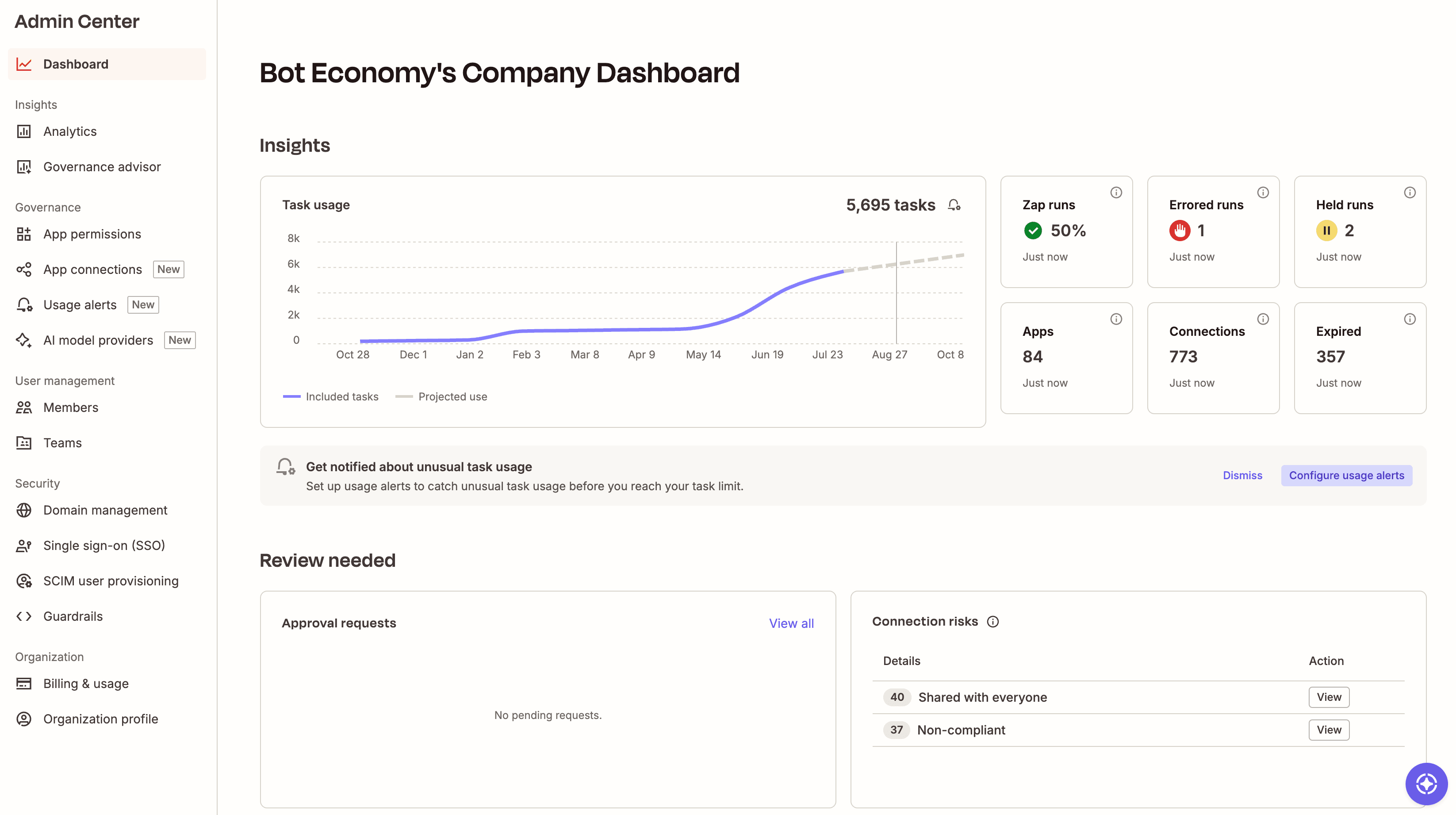
Bring your whole team, not just yourself: Shared workspaces, role-based permissions, and an admin center let everyone build safely. IFTTT is individual accounts only, with no team plan at all.
Comparison
Compare Zapier and IFTTT pricing, integrations, and more
Reviews
See why customers choose Zapier
Features
Review Zapier and IFTTT features in depth
FAQ
Get answers to your questions
Zapier vs. IFTTT comparison
| Zapier | IFTTT | |
|---|---|---|
| Overview | Zapier is an AI orchestration platform that gives every team governed access to workflows, agents, forms, and databases across the whole organization | IFTTT is a simple automation app built for personal productivity, habits, and smart home devices |
| Integrations | 9,000+ apps, governed by Zapier; API changes are handled automatically | 1,000+ apps, with strong smart home/IoT coverage but thin coverage of core business apps |
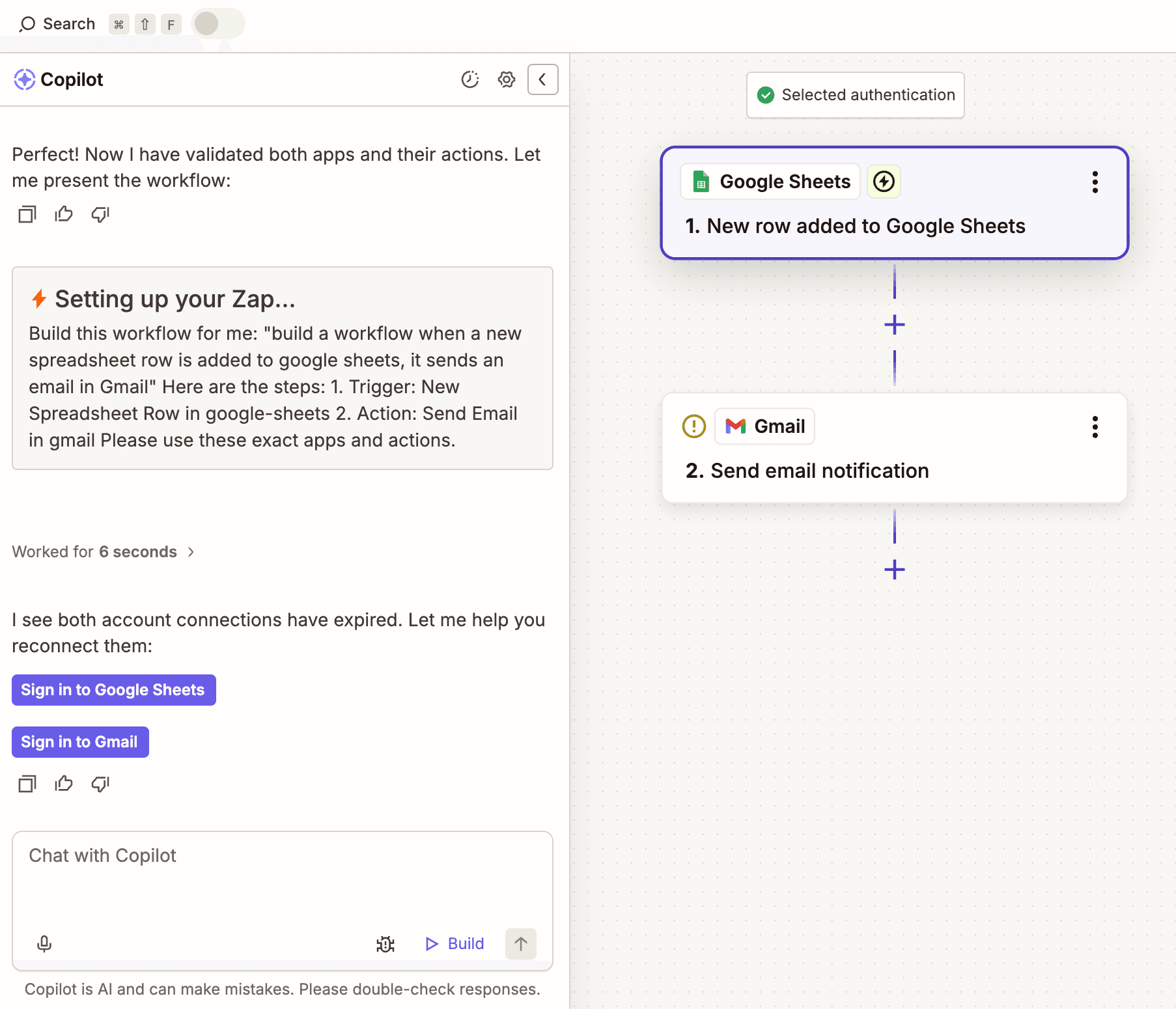
| Implementation | Sign up free, then enable a prebuilt Zap or build your own (AI copilot available); most first-time users publish a working Zap in 15-20 minutes | Sign up free, then enable a prebuilt Applet or build your own single trigger-action pair |
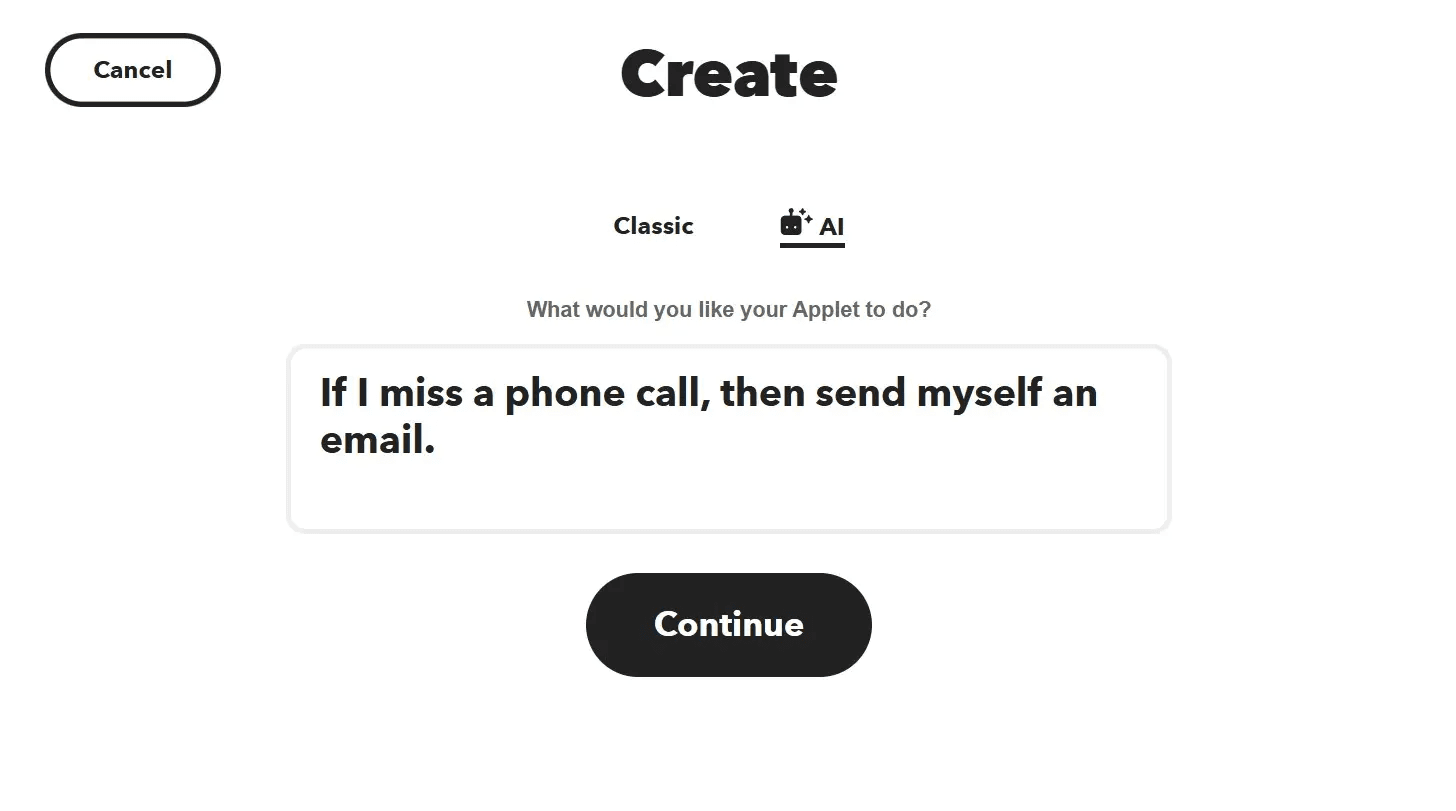
| Ease of use | No-code visual builder plus AI copilot; anyone on the team can build anything, from simple automations to full business systems; easy access from your AI assistant | One-click prebuilt Applets or a simple build-your-own flow; a "build with AI" feature helps create simple automations |
| AI capabilities | AI steps and agentic tooling built directly into workflows; Zapier MCP lets AI assistants take action across 9,000+ apps | A "build with AI" feature for creating simple Applets, plus AI services (like content summarizing) on the Pro+ plan |
| Security & governance | SOC 2 Type II, SOC 3, GDPR, and CCPA certified, plus SAML SSO, audit logs, and role-based access control starting on the Team plan, with SCIM provisioning and app- and action-level restrictions added at Enterprise; shared workspaces and an admin center give IT org-wide visibility that IFTTT's single-account model can't match | Individual accounts only, with no admin controls, audit logs, or org-wide governance; OAuth-based connections and GDPR rights for EU/UK/EEA users, but no SOC 2, HIPAA, or other enterprise security certifications |
| Pricing | Free for 100 tasks/month; Professional plan is $19.99/month; Team plan is $69/month for up to 25 users; custom Enterprise pricing | Free for 2 Applets; Pro plan is $2.99/month; Pro+ plan is $8.99/month for unlimited Applets and AI services |
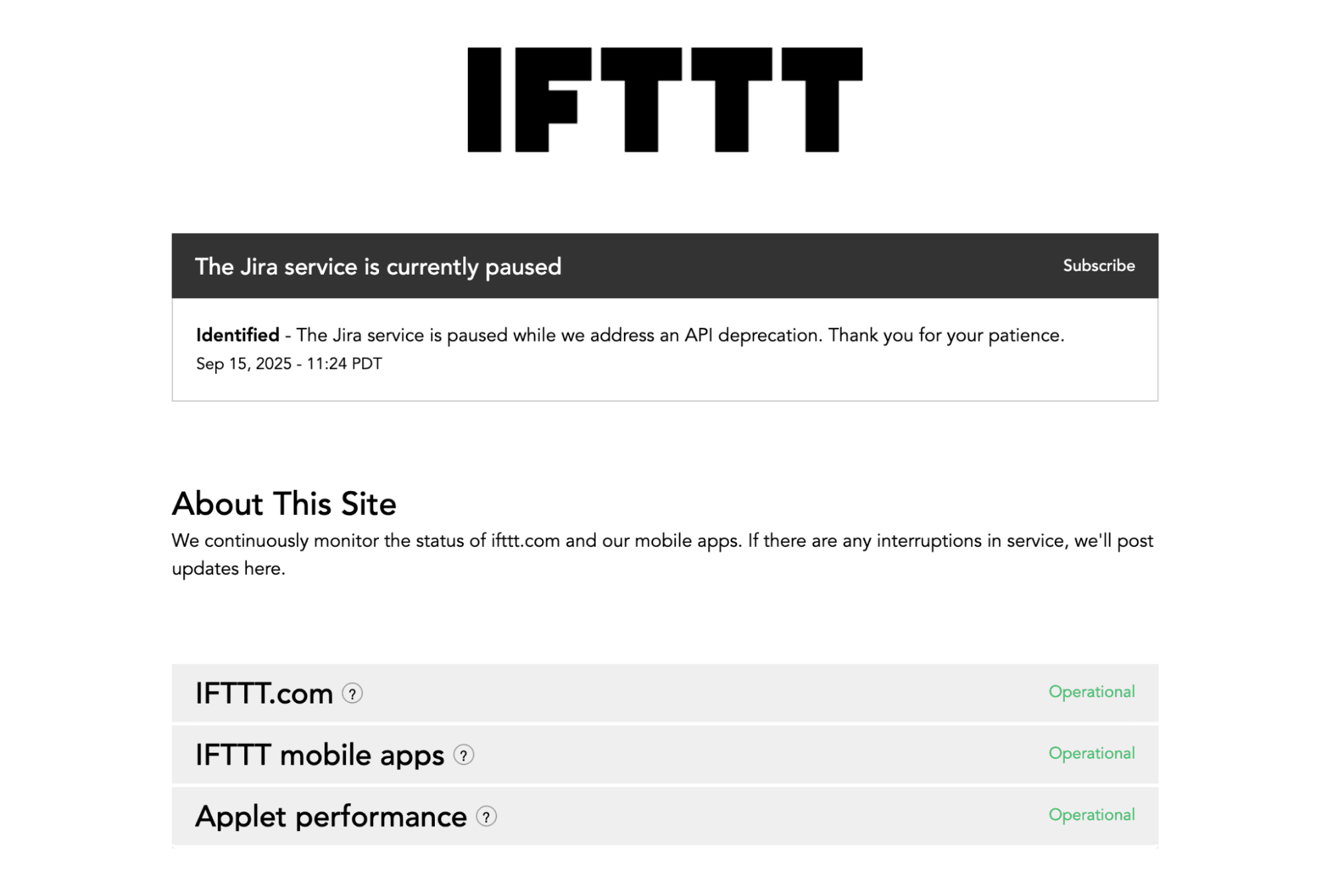
| Reliability & performance | Public status page with full incident history; retries, error handling, and failure alerts included by default; 3.4 million businesses use Zapier | Public status page tracks uptime by component, but paused third-party integrations (some for months) have no auto-retry to fall back on |
What customers say about Zapier
"Without Zapier, we would have needed well over 100 employees today just to do what we're doing. We would have been out of business by now."
—David Laderberg, Vice President, Smart Charge America
Customer testimonial
"You don't have to be a platform expert anymore. Zapier lets you hook everything up in a low-code way and just get it done."
—James Kase, Associate Director of RevOps, Healthie
Customer testimonial
"Zapier makes me feel like a kid again, playing with Legos. It gave us a way to snap together building blocks, empower every team member, and scale innovation. Instead of slowing down, we're moving faster than ever."
—Isaac Smith, AI Ops Manager, Klue
Customer testimonial
"Zapier powers our tech stack. As a result of Zapier's automations and integrations, we've been able to ease busy work for a number of our staff, tackle new projects more quickly, and continue to innovate."
—Bonnie B., Digital Systems Manager
Capterra review
Trusted by 3.4 million companies



















AI automation starts and scales with Zapier
Build reliable, consistent workflows across tools, people, and processes. Access 9,000+ apps securely from any surface, and add AI to the mix only when you need it.
Compare features: Zapier vs. IFTTT
Because IFTTT is a personal automation app, you'll hit a ceiling fast if you try to scale automation and AI across your business like you would with Zapier. A free IFTTT account limits you to a single trigger and one action per Applet, and paid plans let you add more, but there's still no branching or conditional logic to work with. Zapier offers a much bigger managed integration ecosystem, a connected platform for building and governing workflows and AI systems, and team features to bring your whole organization along. I spent time testing IFTTT's Applets and Zapier's workflows side by side, from simple single-step automations to multi-step business processes. I also pored over user reviews and did plenty of research to make sure I wasn't missing anything on either side. Here's how they compare.
Integrations
IFTTT connects with 1,000+ apps, including big names like Spotify, Slack, and Instagram. Its competitive edge is consumer smart home products and IoT apps: if you want to automate your smart lights, speakers, cameras, or alarms, IFTTT is a great option.
For example, you can:
Reduce the volume on your Sonos speakers when your Ring doorbell rings
Start an iRobot cleaning job when you leave your house
Turn off your smart power switch when it's bedtime
However, once you leave the world of smart home products and consumer apps, you'll find limitations pretty quickly—especially if you want to connect with business apps.
While IFTTT includes some handy features for local businesses, like workflows that use AI to respond to your Google reviews, it's missing a lot of basic business apps. There's no integration with Shopify, Zendesk, Intercom, or Canva, for example. And even when you do find the business workflows you need on IFTTT, there's a good chance they've been created by individual users rather than the brands themselves.
Zapier's 9,000+ app connections are either created by Zapier or designed by the brands themselves and approved by Zapier; all of them are governed by Zapier, making them far more reliable for business use. You can find integrations for pretty much any business app you can think of, from foundational business platforms like HubSpot to newer AI apps like ElevenLabs.
You also get access to an impressive depth of triggers and actions with Zapier, which means you can almost always rely on prebuilt options rather than dealing with custom webhooks. For example, Zapier's HubSpot integration offers 25+ trigger events: you can start automations when there's a new deal, a new contact, an updated deal stage, and much more.
While it's sometimes workable to use IFTTT for business-adjacent tasks, like duplicating Instagram posts to your Google Business Profile, Zapier's reliability and breadth of coverage means it's the only real choice for anything that's business-critical.
FAQ: Zapier vs. IFTTT
Is Zapier or IFTTT better for business automation?
For business automation, Zapier is the better choice. It connects with 9,000+ apps (compared to IFTTT's 1,000+), supports branching and conditional workflows instead of IFTTT's linear Applets, and includes team plans, admin controls, and reliability features IFTTT doesn't offer. IFTTT works well for personal habits and smart home automations, but it wasn't built to handle business-critical processes or collaborate across a team.
Does IFTTT or Zapier have more app integrations?
Zapier connects with 9,000+ apps, compared to IFTTT's 1,000+. Zapier's library also skews toward business tools like HubSpot and Zendesk, while IFTTT's integrations lean toward smart home and IoT devices, with thinner coverage of core business apps, and some Applets are built by individual community members rather than the brands themselves.
How do the free plans compare?
Both offer a free tier, but with different limits. Zapier's free plan includes 100 tasks per month with unlimited two-step Zap workflows, Tables, Forms, and Copilot access. IFTTT's free plan caps you at two Applets, each limited to one trigger and one action, though runs are unlimited. IFTTT's free tier has also shrunk over time—it once offered unlimited Applets, then three, and now two.
When is IFTTT the better choice?
IFTTT is the better choice for lightweight personal automations and smart home routines—think triggering your smart lights from a security camera or logging your Fitbit activity to a spreadsheet. Its $2.99-$8.99/month plans are cheaper than any Zapier paid tier, and its simple trigger-action format is easy to set up for basic, single-step tasks that don't need to scale beyond one person.
Can Zapier do what IFTTT Applets do?
Yes—most IFTTT Applets translate directly into an equivalent Zap, and multi-action Applets on IFTTT's paid plans map to multi-step Zaps too. But Zapier can go much further: conditional paths, loops, AI agents, chatbots, and databases are all things IFTTT's Applet format can't support, even on Pro+. If you're only automating personal tasks, either platform works; if you need anything more advanced, Zapier is built to grow with you.
AI automation starts and scales with Zapier
Build reliable, consistent workflows across tools, people, and processes. Access 9,000+ apps securely from any surface, and add AI to the mix only when you need it.
About the author: Ryan Kane is a writer and marketer based in Mérida, Mexico. He writes about SaaS, AI, and marketing while building fun Internet side projects. Learn more: ryankane.co.