Top companies trust Zapier to automate work that solves their unique business problems—no coding required.
How Zapier works
Zapier makes it easy to integrate GitLab with Google Drive - no code necessary. See how you can get setup in minutes.
100%
Help
GitLab
GitLab
1. Choose trigger event
Google Drive
Google Drive
2. Choose action
1. Select the event
Setup
Test
GitLab
Choose a trigger event
Choose a trigger
A trigger is the event that starts your Zap—like a "New Code Snippet Comment" from GitLab.
Add your action
An action happens after the trigger—such as "Copy File" in Google Drive.
You’re connected!
Zapier seamlessly connects GitLab and Google Drive, automating your workflow.
Supported triggers and actions
Zapier helps you create workflows that connect your apps to automate repetitive tasks. A trigger is an event that starts a workflow, and an action is an event a Zap performs.
Create a new record or update an existing record in your app.
Drive
Folder
File
Required
Export Format
Required
Action
This is an event a Zap performs.
Write
Create a new record or update an existing record in your app.
Drive
Parent Folder
Folder Name
Required
Action
This is an event a Zap performs.
Write
Create a new record or update an existing record in your app.
Drive
Folder
File Name
Required
File Content
Required
Convert to Document?
Action
This is an event a Zap performs.
Write
Create a new record or update an existing record in your app.
Drive
Folder
File to Replace
Required
File
Required
Convert to Document?
File Name
File Extension
Idempotency_key
Action
This is an event a Zap performs.
Write
Create a new record or update an existing record in your app.
Drive
File_id
Required
Sharing Preference
Required
Organization Domain
Action
This is an event a Zap performs.
Write
Create a new record or update an existing record in your app.
Drive
Copy
Folder
File
Name
Description
Starred
Folder Color (RGB)
Custom Properties
Action
This is an event a Zap performs.
Write
Create a new record or update an existing record in your app.
Api_docs_info
Stop on error
Required
HTTP Method
Required
URL
Required
Query string parameters
Additional request headers
Body
Action
This is an event a Zap performs.
Write
Create a new record or update an existing record in your app.
Retrieve Files from Google Drive
This action sends a GET request to the Google Drive API to retrieve a list of files based on specific query parameters.
Action
This is an event a Zap performs.
Write
Create a new record or update an existing record in your app.
Drive
Folder
File ID
Required
Action
This is an event a Zap performs.
Search
Find existing data in your app
Folder Name
Required
Search_type
Drive
Parent Folder
Action
This is an event a Zap performs.
Search
Find existing data in your app
Folder Name
Required
Search_type
Drive
Parent Folder
Action
This is an event a Zap performs.
Search or write
Find existing data in your app, or create a new record if no data is found
For AI agents & developers
Use GitLab and Google Drive with AI agents and code
Beyond Zap workflows. Call GitLab and Google Drive actions directly from your AI client or your codebase, using the same 9,000+ app integrations Zapier already runs.
No code
Connect via Zapier MCP
Expose GitLab and Google Drive actions as tools in any MCP client. Authenticate once, then call them in natural language.
Example actions on this page
Create Branch
Copy File
Works with
Claude · ChatGPT · Cursor · any MCP-compatible client
There is no Python package yet. SDK is TypeScript-only (@zapier/zapier-sdk). The MCP server URL is personal to your account; get it at zapier.com/mcp.
Zapier is the automation platform of choice for 87% of Forbes Cloud 100 companies in 2023
93%
Customers who say using Zapier has made them better at their job
25m
Customers have created over 25 million Zaps on the platform
6 mins
The average user takes less than 6 minutes to set up a Zap
Connect GitLab and Google Drive to integrate crucial parts of your business
With Zapier, you can integrate everything from basic data entry to end-to-end processes. Here are some of the business-critical workflows that people automate with Zapier.
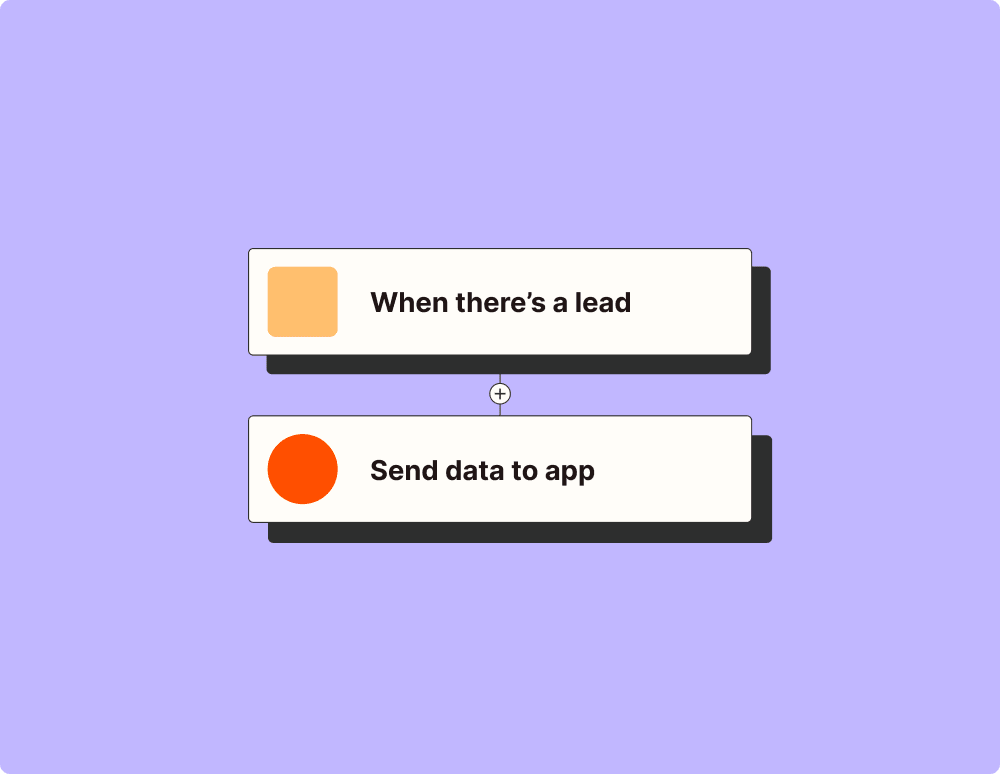
Automate your lead management and improve conversions
With Zapier, you can automate every part of your lead funnel and give yourself the best chance at converting leads. Automate everything from lead capture to outreach to reporting—and close more deals as a result.
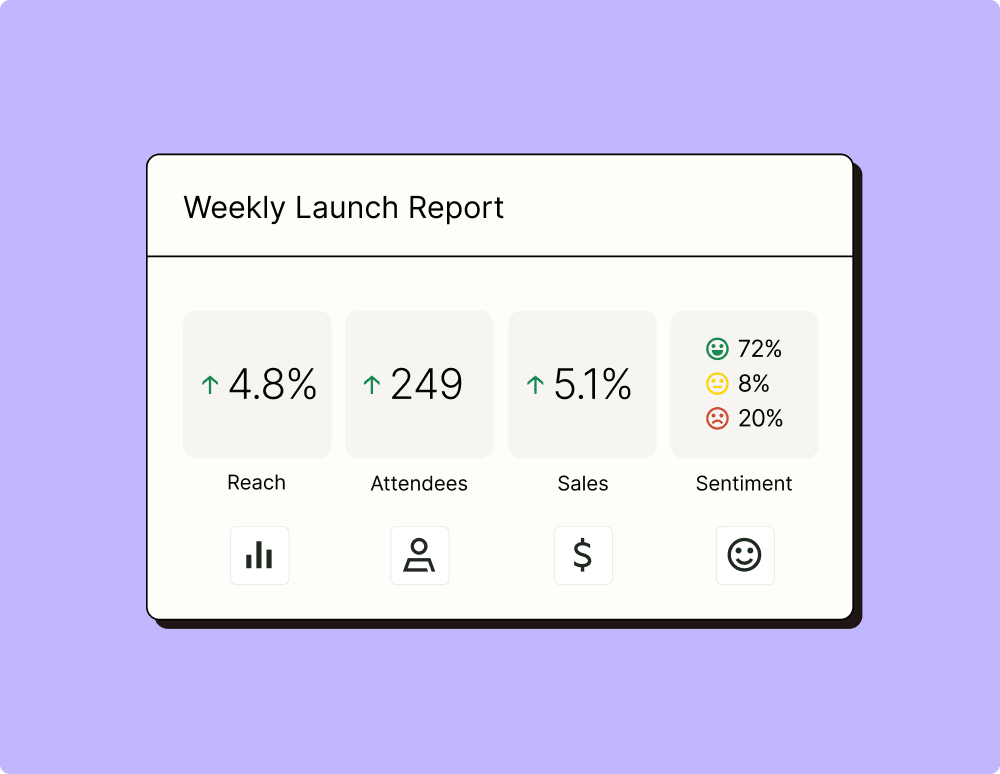
Create more impactful campaigns with automation
Measuring campaign performance across platforms can get chaotic. Plus, digging up the right metrics costs you precious time and effort. With Zapier, you can create a centralized view of your performance, skillfully manage your lists, and ensure your campaigns drive ROI across the business.
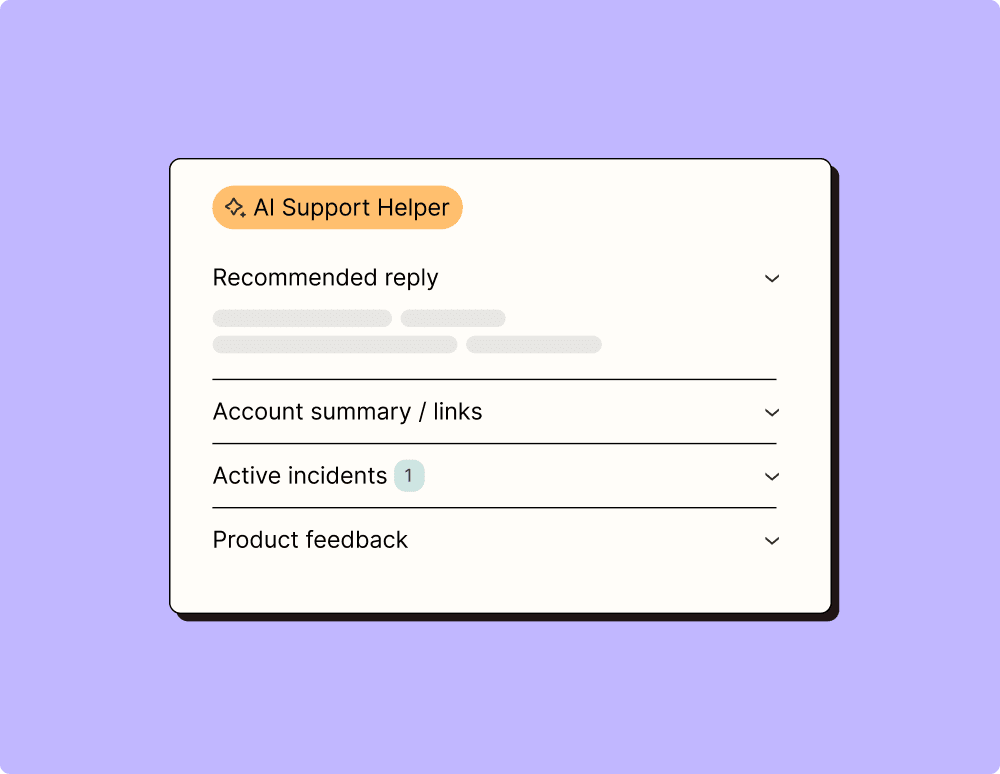
Provide world-class support with a little help from automation
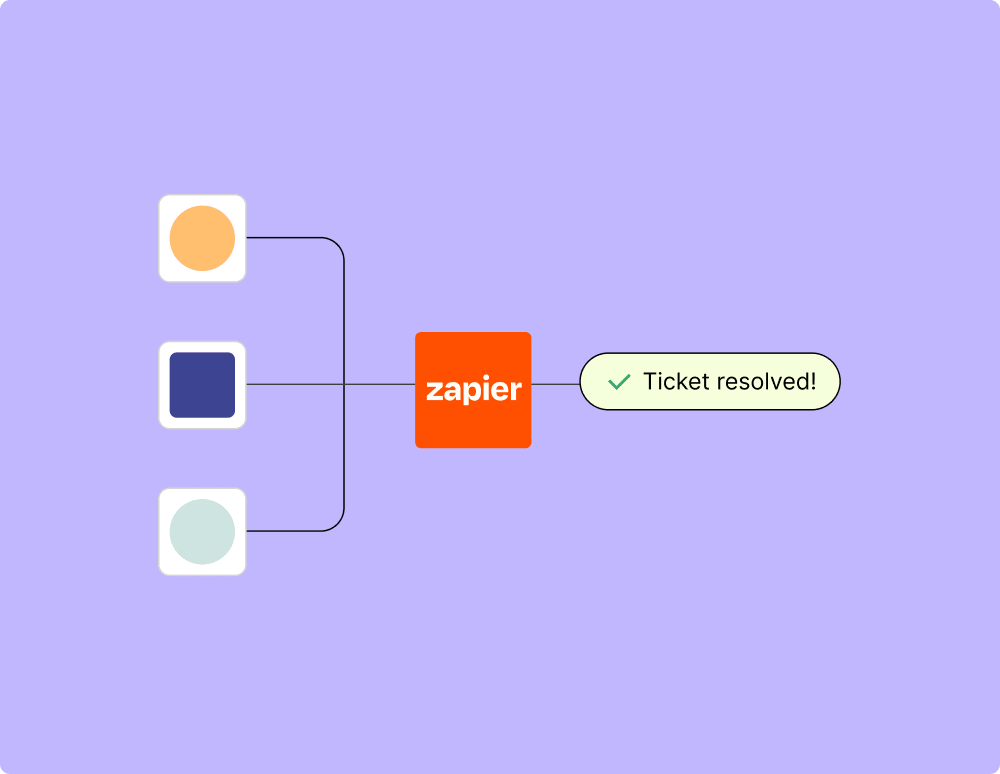
Support reps can't be productive when they have to track down crucial information for every incident or ticket. With Zapier, you can automatically send your reps the context they need to resolve tickets quickly and create a seamless customer experience.
Automate your way to actionable, up-to-date data
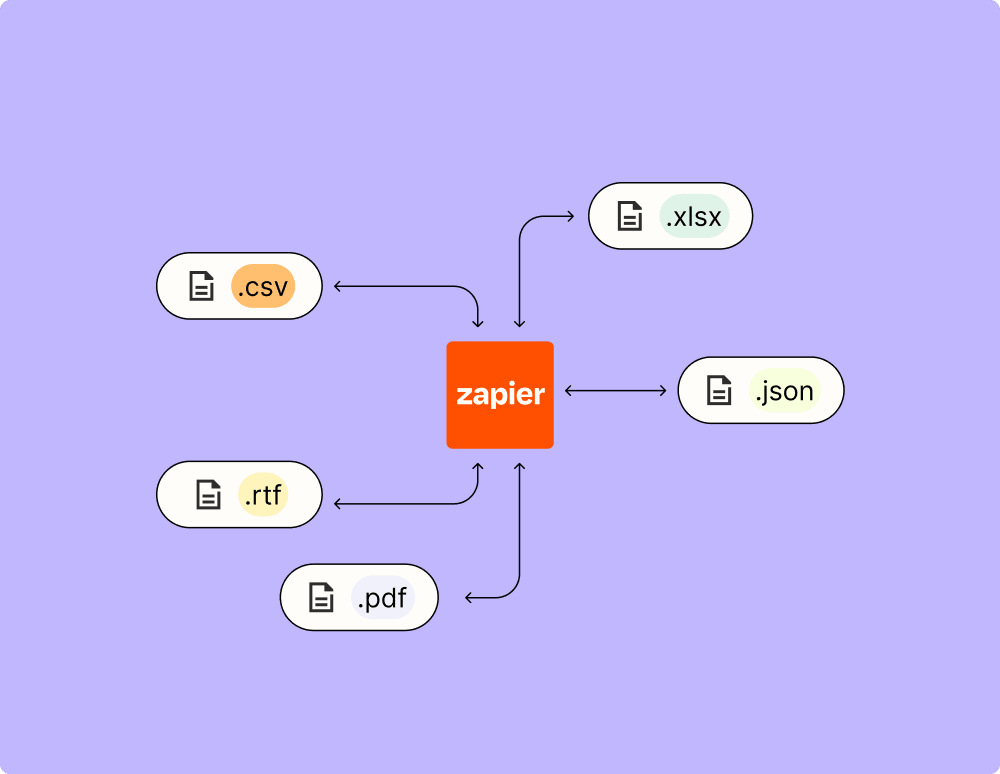
The days of manually exporting and importing data are over. With Zapier, you can send data where it needs to go, in the format you need it—so you can centralize your data and unlock more insights.
Resolve incidents faster with automation
Your technical support team wants to focus on tech tickets rather than admin work. With Zapier, you can automate everything from ticket creation to routing to inter-team communication—eliminating friction from incident management and increasing speed to resolution.
Learn how to automate Google Drive on the Zapier blog
Make work flow with AI
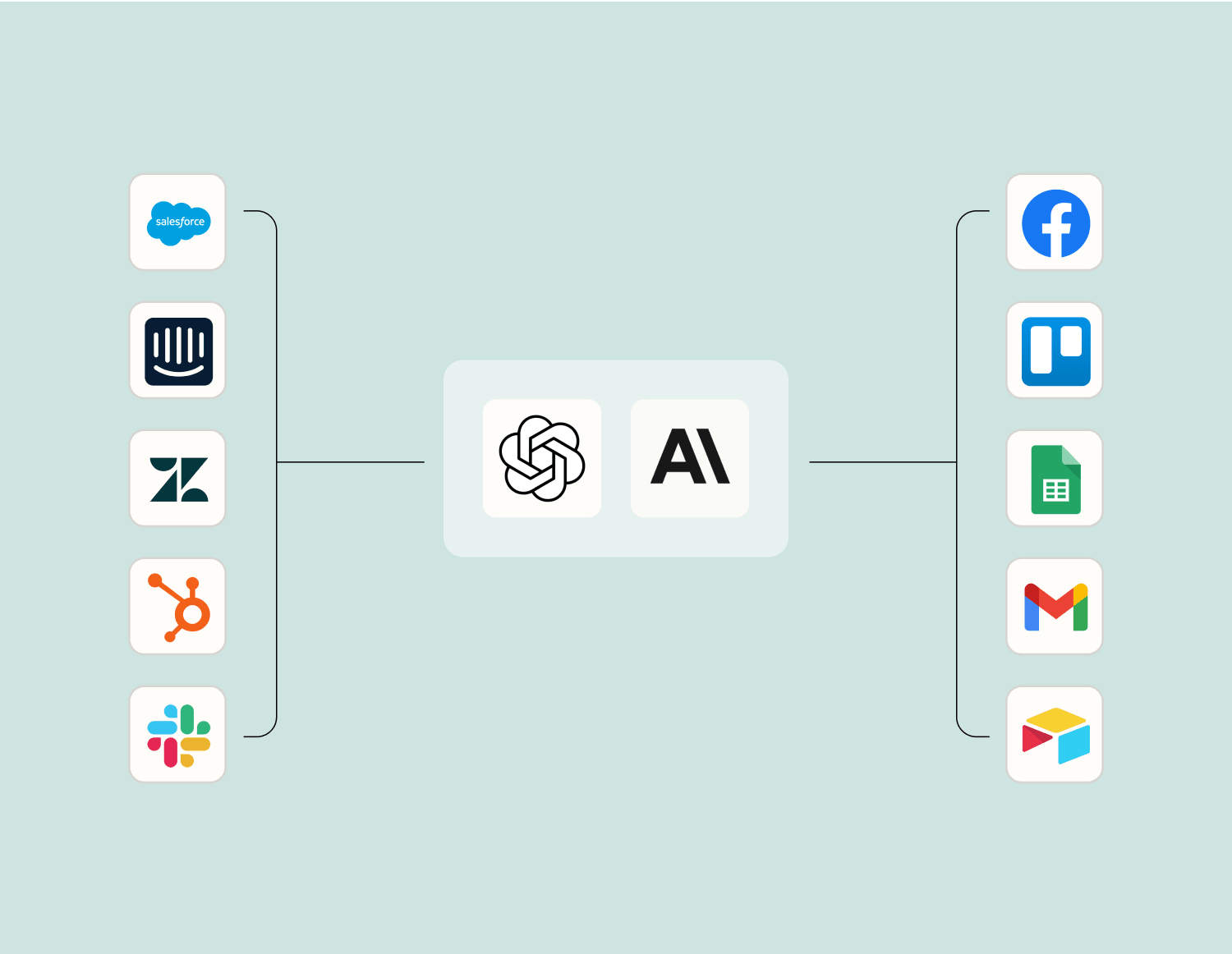
Level up your GitLab to Google Drive integration with AI. Extract, summarize, and transform your integration data with leading AI models like OpenAI, Anthropic, and more.
Frequently Asked Questions about GitLab + Google Drive integrations
New to automation with Zapier? You're not alone. Here are some answers to common questions about how Zapier works with GitLab and Google Drive
How can I start an integration between GitLab and Google Drive?
You can start the integration by selecting GitLab as your trigger app and choosing the specific event that will start the automation, such as a new merge request or a push. Then, select Google Drive as your action app and choose what you want to happen in Google Drive when that trigger event occurs.
What permissions are required to integrate GitLab with Google Drive?
To integrate GitLab with Google Drive, you will need access permissions to your GitLab repositories and the ability to create files or folders in your Google Drive account. Ensure you are authorized with appropriate roles in both platforms.
Can I automate file uploads from my GitLab repository to Google Drive?
Yes, you can automate file uploads by setting a trigger in GitLab, such as a new commit. When this trigger occurs, our system can upload specific files from your repository to a designated folder in Google Drive.
Is it possible to organize files into folders on Google Drive automatically based on branch names in GitLab?
Absolutely! With our integration, you can set up a workflow where files pushed to specific branches are uploaded into corresponding folders named after the branch in your Google Drive.
How do we handle conflicts if a file is updated on both platforms simultaneously?
In case of concurrent updates on both platforms, our system will follow predefined rules which usually prioritize the latest timestamp. However, reviewing conflict resolution settings based on your specific needs is advisable.
Can we track changes made after integration setup between GitLab and Google Drive?
Yes, you can track changes by setting additional triggers that log every modification or update made in either platform post-integration setup. This ensures transparency and accountability across applications.
Are there limits on trigger events when integrating GitLab with Google Drive?
There might be limits depending on your plan regarding how many triggers can be set per month. It's important to check these limits beforehand to ensure seamless automation without interruptions.
About GitLab
GitLab is an open source code collaboration tool with a rich feature set including management of repositories, reviewing tools, issue tracking, activity feeds and much more.
Google Drive is Google's file sync app that lets you store all of your files online alongside your Google Docs documents, and keep them synced with all of your devices.