Zapier vs. Tray
Published: 9/16/2026 | By Ryan Kane
Tray is designed for technical teams who want precise control over complex workflows, while Zapier's AI orchestration platform lets anyone in your organization build and govern sophisticated automations and agents without waiting on a developer. That makes all the difference in how fast you can start, who's allowed to build, and how much of your automation backlog sits with IT instead of actually getting solved.
Here's what you'll get with Zapier:
Connect 12x more apps: 9,000+ integrations, governed by Zapier, compared with Tray's roughly 500 connectors—and Zapier's don't require manual updates.
Build without a developer: Anyone on your team can create automations with Zapier's no-code platform and AI copilot; Tray's workflows are built mostly by developers and technical users navigating booleans, query strings, and batch sizes.
Skip the sales call: Start building for free with just an email address. Tray requires a sales demo and a custom quote before you see a single number or build your first workflow.
Comparaison
Compare Zapier and Tray pricing, integrations, and more
Avis
See why customers choose Zapier
Fonctionnalités
Review Zapier and Tray features in depth
FAQ
Get answers to your questions
Zapier vs. Tray comparison
| Zapier | Tray | |
|---|---|---|
| Vue d'ensemble | Zapier is an AI orchestration platform that gives every team governed access to workflows, agents, forms, and databases across the whole organization | Tray is an enterprise iPaaS built for technical teams and developers running complex, IT-led integrations and AI agents |
| Enterprise & scale | Distributed building with IT-set guardrails, so any team can build from any surface, while IT keeps oversight | Centralized, IT-led model; Tray's Agent Gateway for MCP requires an admin-configured allowlist before any AI client can connect |
| Mise en œuvre | Sign up with just an email address or Google login; most first-time users publish a working Zap in 15-20 minutes | No self-serve signup—requires a sales demo and custom quote before you can start building |
| Intégrations | 9,000+ apps, governed by Zapier; connections are automatically maintained | Less than 500 connectors; users must maintain connectors manually |
| Facilité d'utilisation | Anyone can create automations with Zapier's no-code platform and AI copilot | Built mostly for developers and technical users |
| Security & governance | SOC 2 Type II, SOC 3, GDPR, and CCPA certified, plus SAML SSO, audit logs, and role-based access control starting on the Team plan, with SCIM provisioning and app- and action-level restrictions added at Enterprise; AI Guardrails scan outputs for PII, prompt injection, and toxicity | SOC 1 Type 2 and SOC 2 Type II certified, GDPR-, CCPA-, and HIPAA-compliant (with PHI support), with a choice of US, EU, or APAC data residency; SSO and HIPAA ship standard only on the Enterprise plan, and cost extra as add-ons below it |
| Tarifs | Transparent; starts at $19.99/month, with custom pricing available for enterprises | Custom, sales-led pricing across Pro, Team, and Enterprise tiers |
| Reliability & performance | Public status page, autoreplay, flood protection, task histories, and version rollback included by default | Automatic retries, step-level alerting, plan-based log retention, and version rollback |
What customers say about Zapier
"Avec Zapier, nous avons pu connecter nos systèmes de façon logique, sans avoir à attendre les ingénieurs ou à acheter de nouveaux logiciels. Il nous a permis de nous mettre à l'échelle plus intelligemment et de rester concentrés sur l'assistance à nos agents."
—David Wimett, Director of Information Technology, Premiere Property Group
Customer testimonial
"By putting automation directly in the hands of our teams, Zapier lets us scale smarter, not just bigger. When we can design workflows, we can respond to stakeholder needs without relying on engineering resources—and that results in faster campaigns, cleaner data, and better customer experiences."
—Nina Mirabella, Senior Director, Marketing Operations, Superhuman
Customer testimonial
"Zapier is now the AI-native way to create automations and workflows for digital teams[.] I really enjoy using Zapier to connect platforms that don't have integrations and being able to streamline my business."
—Richard M., Founder, marketing and advertising company
Capterra review
« Avec Zapier, nous sommes en mesure de créer, tester et déployer de nombreuses intégrations de systèmes tiers requises par nos clients en moins d’une heure, sans avoir besoin de code, de développeurs, de mises à jour logicielles ou de versions. »
—James Clark, VP of Platform Product Development, Brightspot
Customer testimonial
3,4 millions d’entreprises nous font confiance



















AI automation starts and scales with Zapier
Build reliable, consistent workflows across tools, people, and processes. Access 9,000+ apps securely from any surface, and add AI to the mix only when you need it.
Compare features: Zapier vs. Tray
Both Zapier and Tray let you build powerful, complex automations and AI agents. The main difference is that Zapier is an accessible, no-code platform designed to empower everyone in your organization. And while Tray is expanding to cater to "business technologists," it still offers a more developer-centric automation approach. I built and tested workflows directly in Zapier, then dug into Tray's own product pages, documentation, and public status and trust pages for anything I couldn't access hands-on myself. Here's how the two stack up.
Enterprise & scale
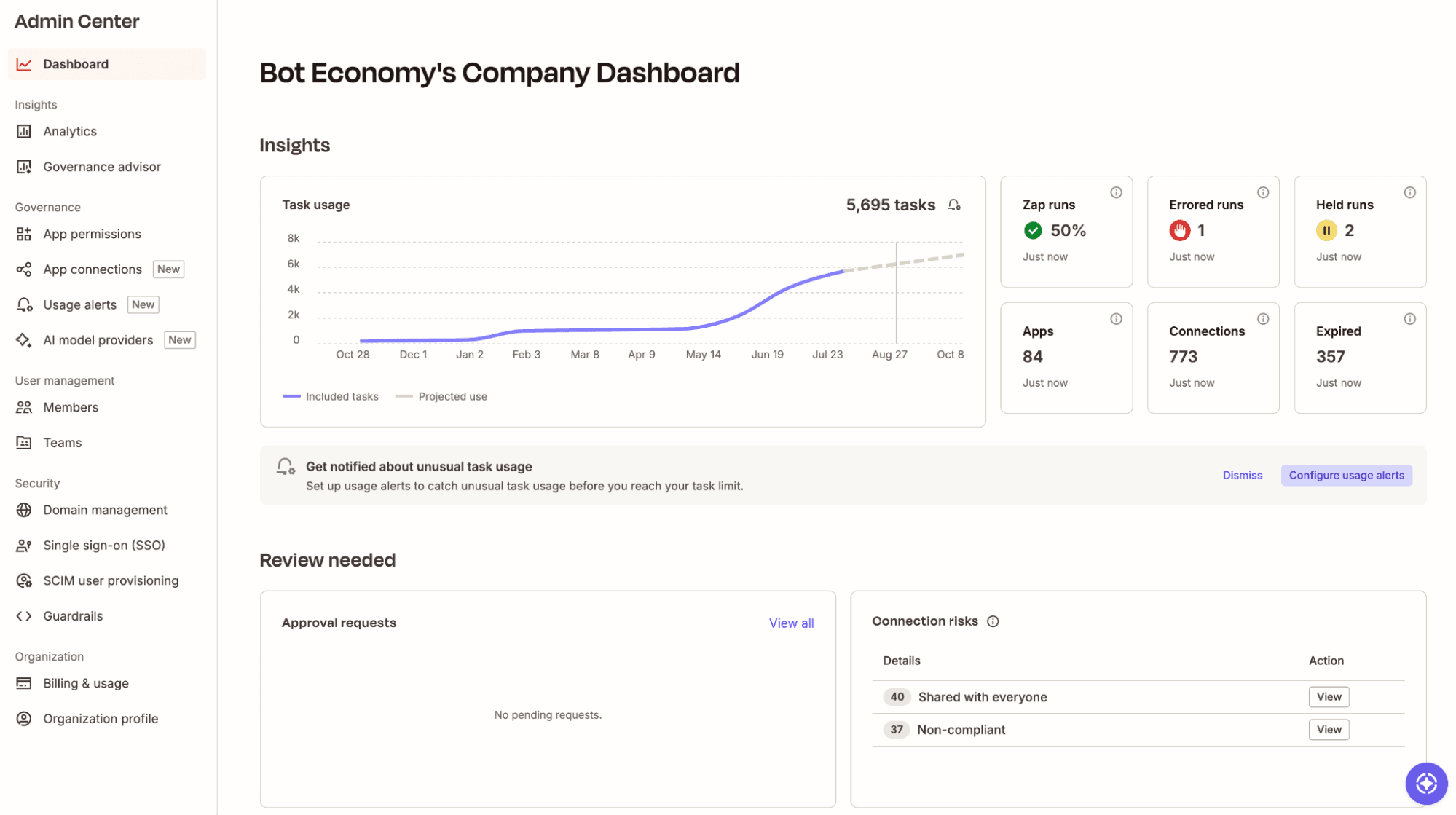
Tray centralizes automation in IT and dedicated developers, while Zapier lets any team build under IT-set guardrails without becoming the bottleneck.
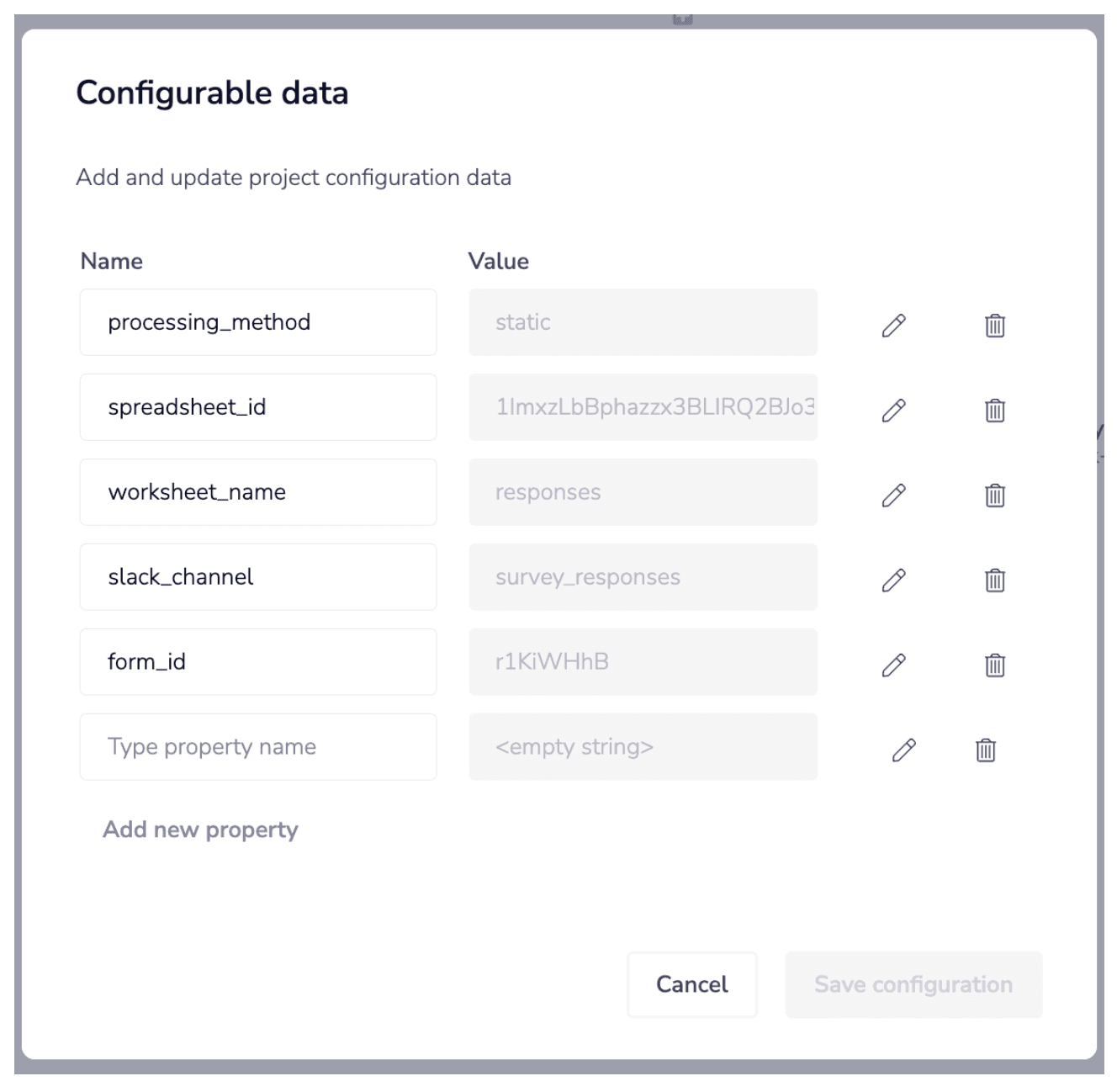
Tray is geared toward technical users in large organizations. It's starting to add features that let other teams build alongside developers, but Tray still requires navigating complex options—including booleans, query strings, batch sizes, and dependencies—that make it inaccessible to non-technical teams.
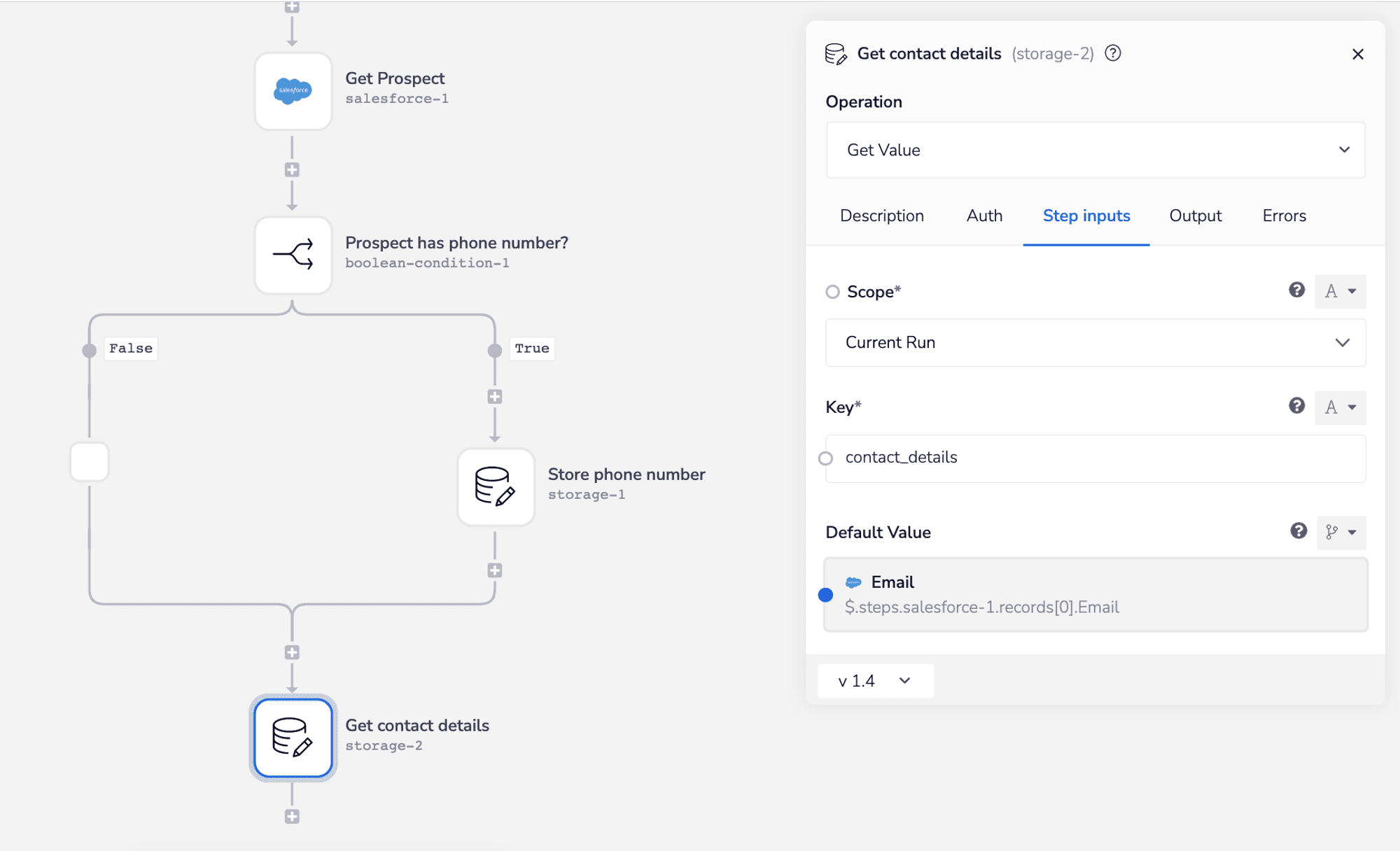
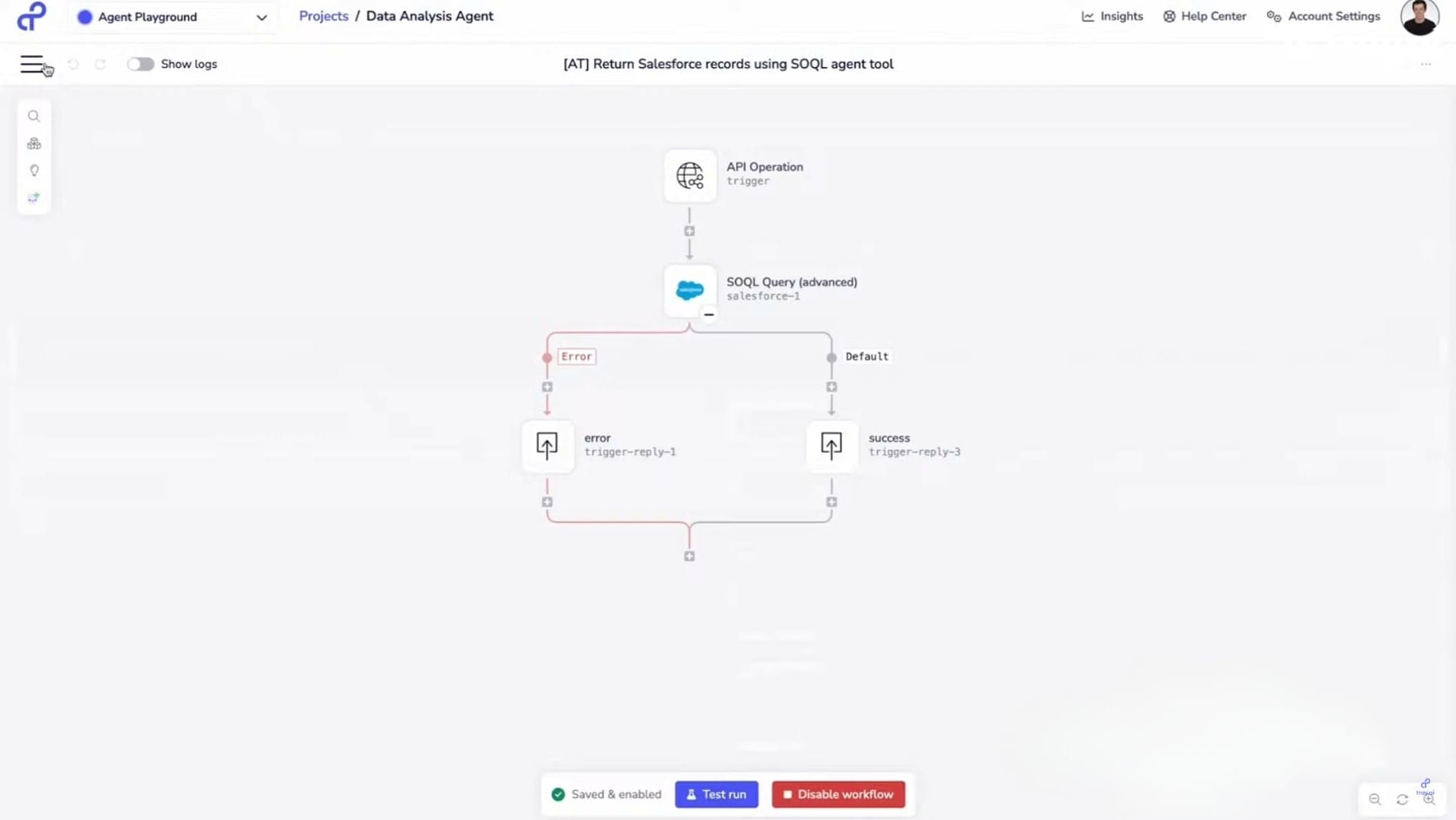
Adding this level of complexity might be worth it in some circumstances. Tray supports multi-level nested loops and offers lots of options for passing data between workflows. You can accomplish something similar with Sub-Zap workflows, Looping by Zapier, and Storage by Zapier, but for especially technical enterprise use cases, Tray offers greater precision for developers.
But just because Tray can handle complex edge cases doesn't mean it's the best choice for your entire organization. By choosing a developer-focused automation tool, you confine all the energy, enthusiasm, and ideas around automation and AI to a small set of technical tinkerers in your IT department. Backlogs are an inevitable outcome as other departments come to rely on your developers to create and adjust workflows.
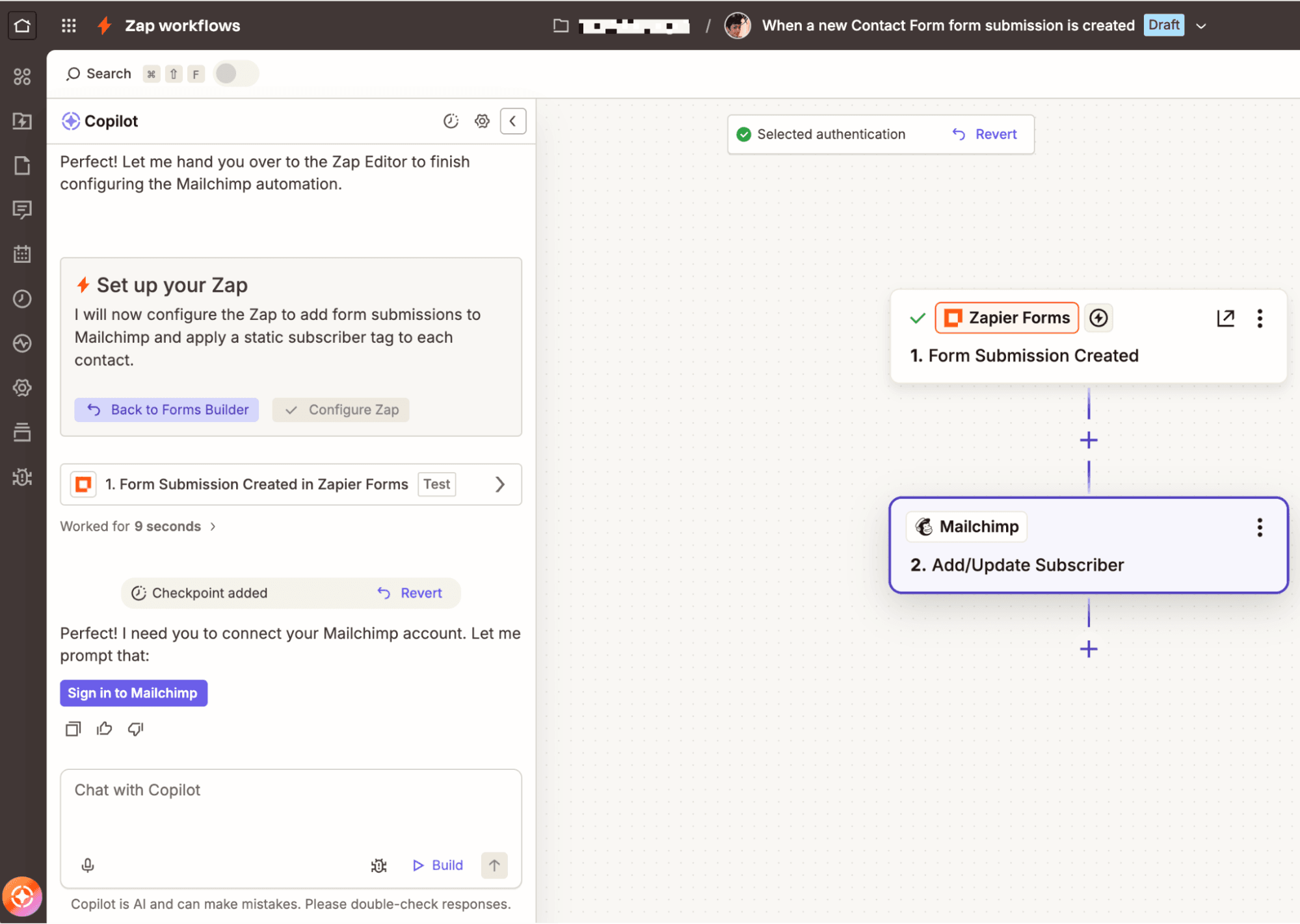
Zapier is different. It's built for anyone across an organization to use, so everyone from every department can build holistic workflows across the tech stack. With built-in agentic AI, databases, and forms, teams have everything they need without waiting on IT.
With Zapier opening the door to automation self-service across your organization, IT teams can focus on the requests that actually require custom development instead of fielding basic support requests.
FAQ: Zapier vs. Tray
Is Tray better than Zapier for large businesses?
No. Tray can work well for large businesses with dedicated technical teams, since it's built for IT-led automation and complex, custom integrations. But most large businesses have more automation ideas than their IT team has bandwidth for, and Tray's technical bar keeps automation building concentrated in a small group. Zapier lets every department build and manage its own automations under IT-set guardrails, so large businesses typically see faster adoption and fewer backlogged requests with Zapier.
Which is the better integration platform: Zapier or Tray.io?
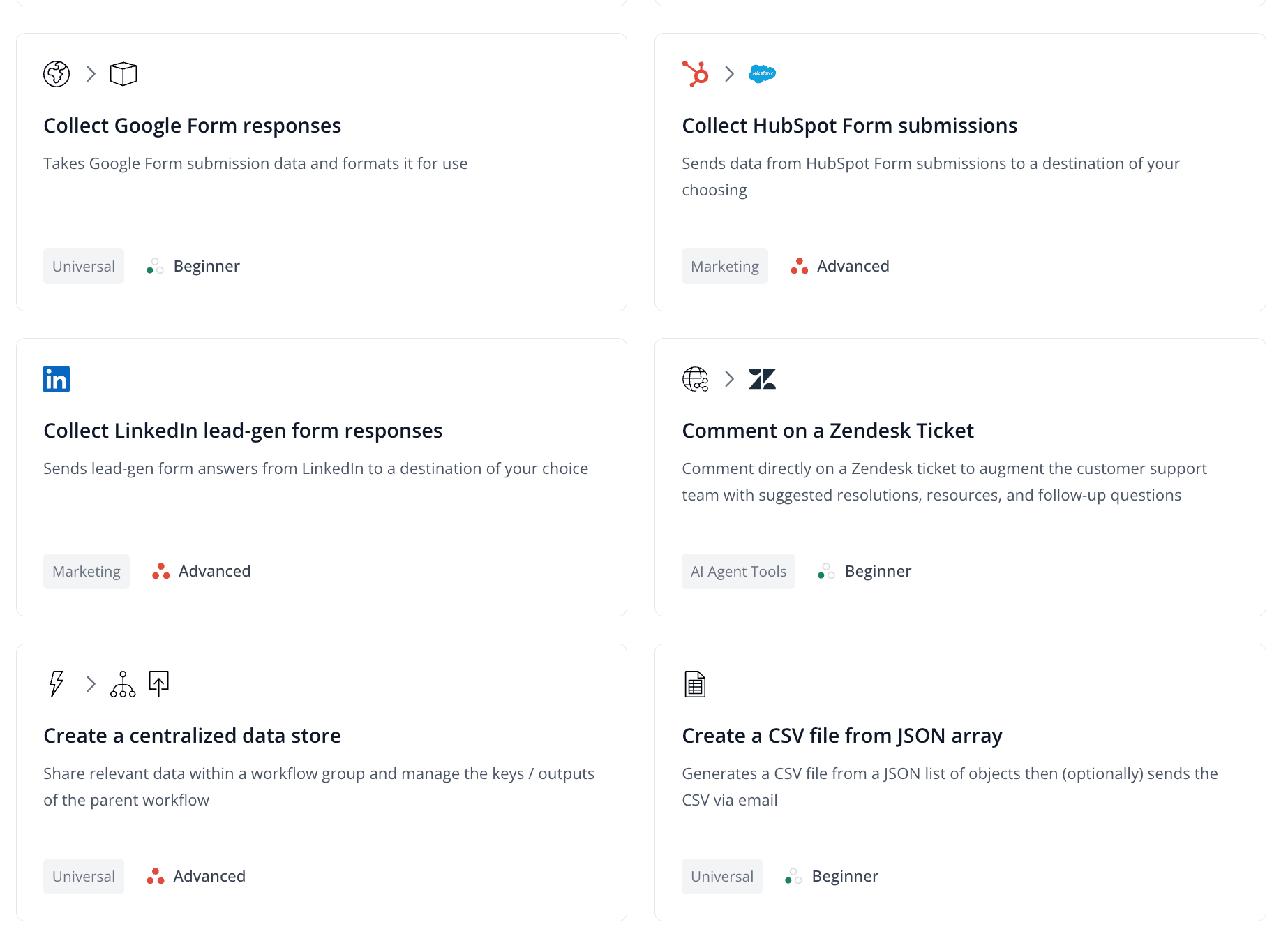
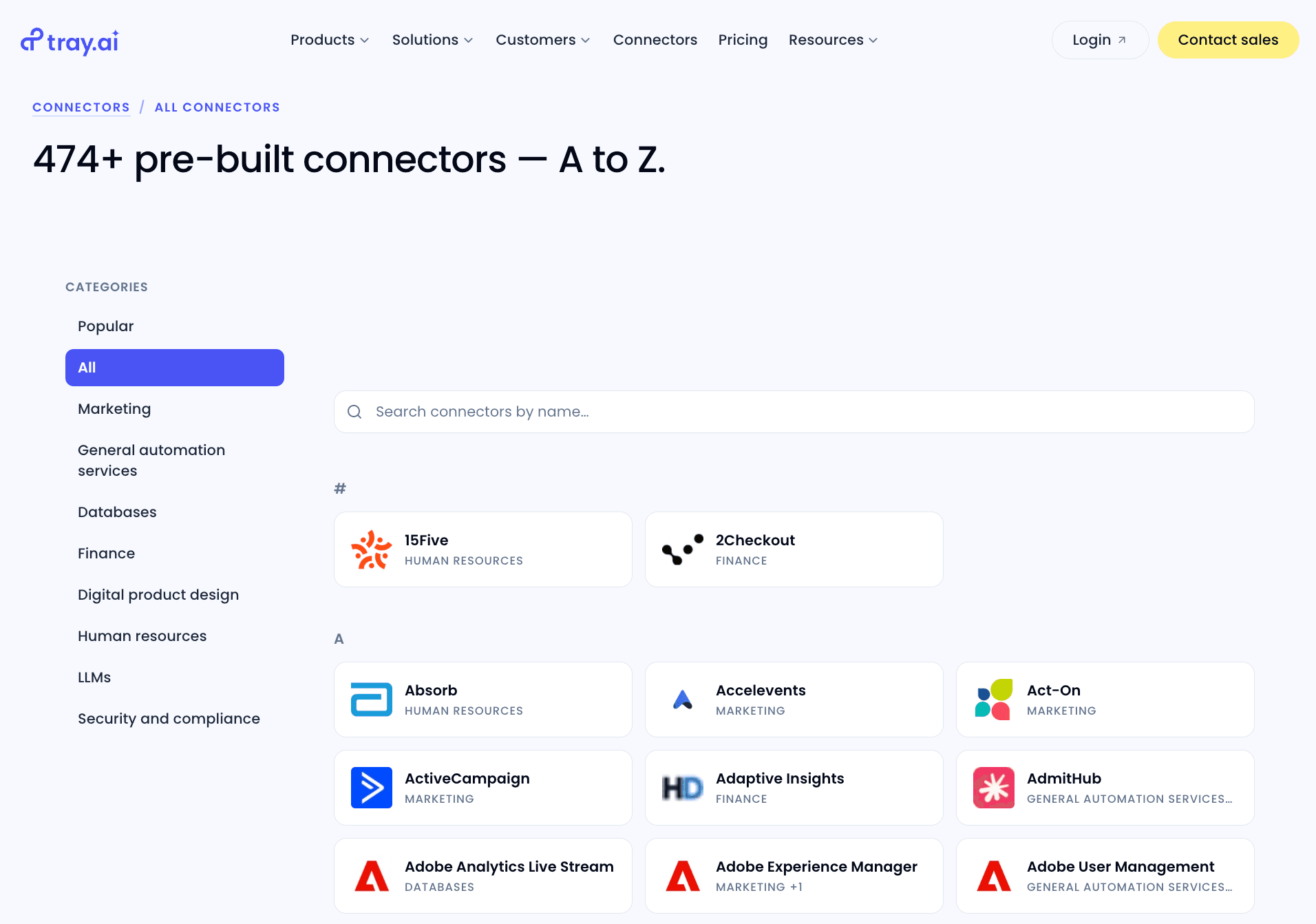
Zapier connects with 9,000+ apps, spanning major enterprise systems and the long tail of niche SaaS tools individual teams adopt on their own. Tray connects with around 500 connectors, concentrated in enterprise tools. Zapier's connectors are also updated automatically when APIs change, while Tray relies on users to update, test, and roll back their own connectors manually.
Is Tray.ai the same as Tray.io?
Yes. Tray.io rebranded to Tray.ai in 2024 to reflect its shift toward AI-ready integration and agentic automation, and it's added an agent-building layer (Merlin) on top of its original integration platform since then.
How does Tray pricing compare to Zapier?
Tray doesn't publish its pricing. Costs depend on your package (Pro, Team, or Enterprise), monthly task volume, and any add-ons, and you'll need a sales conversation to get an actual quote. Zapier's pricing is public and transparent, starting free and scaling to $19.99/month for individuals and $69/month for a 25-user team, with custom Enterprise pricing available once you need it.
When is Tray the better choice?
Tray makes sense for enterprise iPaaS programs that want a heavy services engagement: dedicated technical teams building precise, code-adjacent workflows, with solution architects involved in implementation and IT retaining tight, centralized control over every integration. If your organization is set up to centralize automation in IT and has the technical staff and budget to support it, Tray's model can work well.
AI automation starts and scales with Zapier
Build reliable, consistent workflows across tools, people, and processes. Access 9,000+ apps securely from any surface, and add AI to the mix only when you need it.
About the author: Ryan Kane is a writer and marketer based in Mérida, Mexico. He writes about SaaS, AI, and marketing while building fun Internet side projects. Learn more: ryankane.co.