Top companies trust Zapier to automate work that solves their unique business problems—no coding required.
How Zapier works
Zapier makes it easy to integrate Shopify with sticky.io - no code necessary. See how you can get setup in minutes.
100%
Help
Shopify
Shopify
1. Choose trigger event
sticky.io
sticky.io
2. Choose action
1. Select the event
Setup
Test
Shopify
Choose a trigger event
Choose a trigger
A trigger is the event that starts your Zap—like a "New Blog" from Shopify.
Add your action
An action happens after the trigger—such as "Mark Order as Chargeback" in sticky.io.
You’re connected!
Zapier seamlessly connects Shopify and sticky.io, automating your workflow.
Supported triggers and actions
Zapier helps you create workflows that connect your apps to automate repetitive tasks. A trigger is an event that starts a workflow, and an action is an event a Zap performs.
New Blog
Triggers when a new blog is added to your Shopify store.
Create a new record or update an existing record in your app.
Order ID
Required
Is RMA?
Required
Return Reason Code
Required
Note
Action
This is an event a Zap performs.
Write
Create a new record or update an existing record in your app.
For AI agents & developers
Use Shopify and sticky.io with AI agents and code
Beyond Zap workflows. Call Shopify and sticky.io actions directly from your AI client or your codebase, using the same 9,000+ app integrations Zapier already runs.
No code
Connect via Zapier MCP
Expose Shopify and sticky.io actions as tools in any MCP client. Authenticate once, then call them in natural language.
Example actions on this page
Add Line Item to Order
Mark Order as Chargeback
Works with
Claude · ChatGPT · Cursor · any MCP-compatible client
There is no Python package yet. SDK is TypeScript-only (@zapier/zapier-sdk). The MCP server URL is personal to your account; get it at zapier.com/mcp.
Zapier is the automation platform of choice for 87% of Forbes Cloud 100 companies in 2023
93%
Customers who say using Zapier has made them better at their job
25m
Customers have created over 25 million Zaps on the platform
6 mins
The average user takes less than 6 minutes to set up a Zap
Practical ways you can use Shopify and sticky.io
Manage subscription updates for new Shopify orders.
Ensure your marketing team aligns with subscription details. When a new paid order is triggered in Shopify, Zapier will automatically mark it as shipped in sticky.io for accurate order tracking. This workflow ensures seamless updates for customer communications, minimizes errors, and enhances efficiency in customer retention efforts.
When an order status is updated in sticky.io, Zapier will trigger an update in Shopify to keep project progress visible to all stakeholders. This improves alignment across teams and helps in tracking performance efficiently.
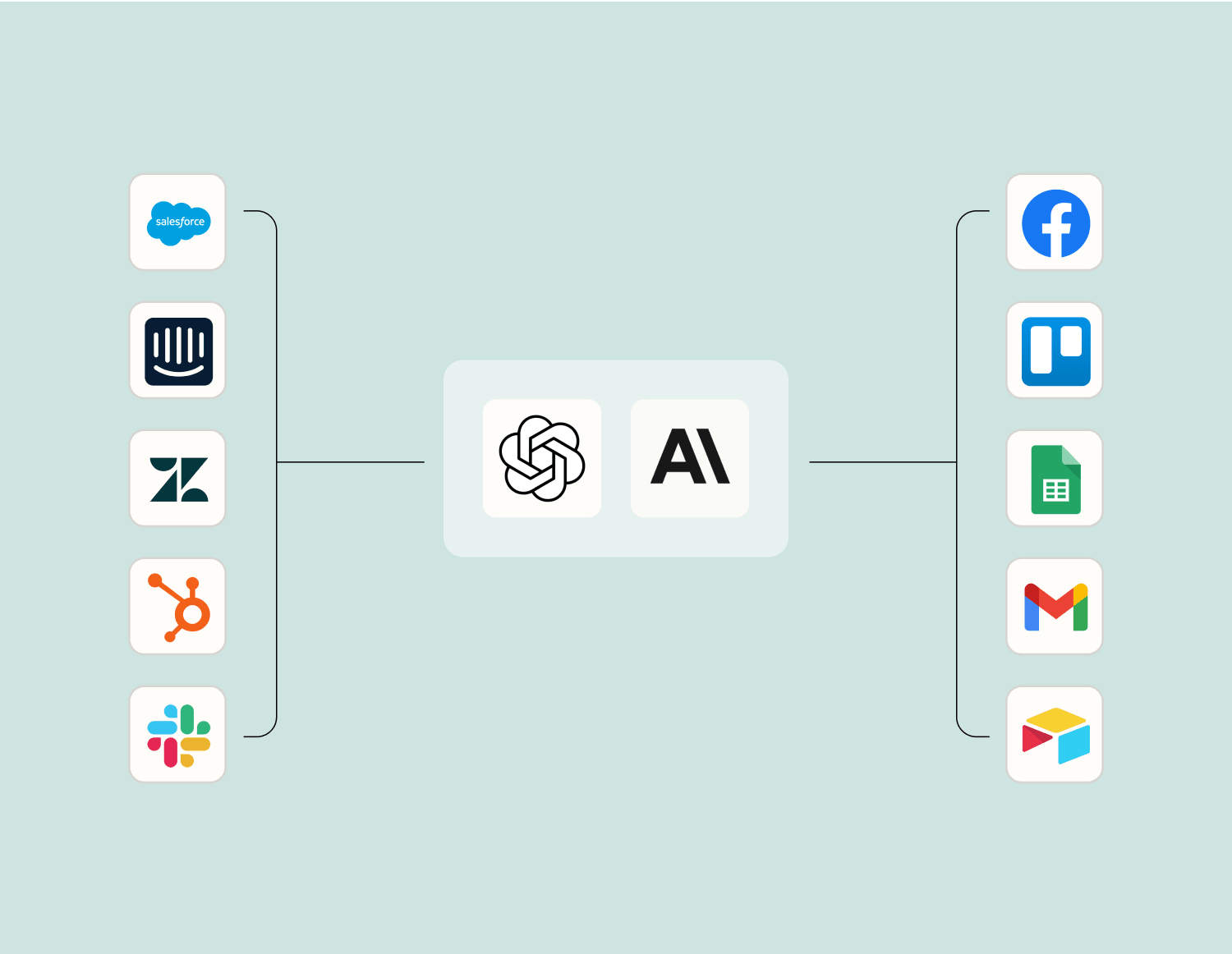
Level up your Shopify to sticky.io integration with AI. Extract, summarize, and transform your integration data with leading AI models like OpenAI, Anthropic, and more.
Frequently Asked Questions about Shopify + sticky.io integrations
New to automation with Zapier? You're not alone. Here are some answers to common questions about how Zapier works with Shopify and sticky.io
How do I set up the integration between Shopify and sticky.io?
To integrate Shopify with sticky.io, you need to ensure that both accounts are active and authorized. In Shopify, navigate to the App Store and find sticky.io for integration. Once installed, configure your triggers, such as when a new order is placed in Shopify, and choose actions like creating a customer in sticky.io.
Can I automate order processing between Shopify and sticky.io?
Yes, you can automate order processing by setting triggers on Shopify. For instance, when an order status changes to fulfilled in Shopify, you can create an action to automatically update the transaction details in sticky.io, streamlining your operations.
What kind of data can be synchronized between Shopify and sticky.io?
You can synchronize various data types such as orders, inventory levels, customer information, and product details. These are typically managed through setting triggers in Shopify for data events that automatically initiate corresponding actions within sticky.io.
Do I need coding skills to integrate Shopify with sticky.io?
No coding skills are required to integrate these platforms. Our integration process is user-friendly with intuitive trigger-action setups where you define what happens following specific events between Shopify and sticky.io.
How can I handle subscription orders from Shopify in sticky.io?
For managing subscription orders from Shopify in sticky.io, set up triggers based on subscription events like renewal or cancellation. The system will then execute actions such as updating subscription status or billing details directly in sticky.io.
Is it possible to customize workflows during integration?
Yes, customization of workflows is entirely possible. You can tailor the trigger conditions in Shopify (e.g., when inventory falls below a threshold) which will activate specific actions within sticky.io like placing a reorder request.
How do error notifications work with this integration?
If any issues arise during integration tasks (e.g., failed actions), our platform notifies users via email alerts or dashboard notifications so that they can quickly identify and resolve these errors between your system setups on Shopify and sticky.io.
About Shopify
Shopify is a simple way to create an online store to list products, collect credit card payments, and ship your goods.
Eliminate the need for numerous plugins with sticky.io. Our API-driven platform simplifies subscription billing and order management — turning one-time transactions into recurring revenue.