Connect Harness and Salesforce to power AI-driven automation
- No-code AI automation
- Full audit trails and controls
- SOC 2 and GDPR compliant
- Easy visual workflow builder
- 9,000+ apps, 450+ AI tools
- Free tier available
Launch your first automated workflow
Start with a template that brings Harness and Salesforce together. Build enterprise-grade automation in minutes.
Our most popular template


How Zapier works
Zapier makes it easy to integrate Harness with Salesforce - no code necessary. See how you can get setup in minutes.


Choose a trigger
A trigger is the event that starts your Zap—like a "Donation Failed" from Harness.
Add your action
An action happens after the trigger—such as "Add Contact to Campaign" in Salesforce.
You’re connected!
Zapier seamlessly connects Harness and Salesforce, automating your workflow.
Supported triggers and actions
Zapier helps you create workflows that connect your apps to automate repetitive tasks. A trigger is an event that starts a workflow, and an action is an event a Zap performs.
- Donation Failed
Triggers when a donation of any kind (one-time, monthly, round-up) fails, usually due to card errors
Try ItTriggerInstant - Donation TypeRequired
Try ItTriggerInstant- Monthly Donation Created
Triggers when a donor creates a new monthly donation subscription.
Try ItTriggerInstant - Round-Up Account Cancelled
Triggers when a donor cancelled their round-up account.
Try ItTriggerInstant
- Monthly Donation Cancelled
Triggers when a donor cancels a monthly donation.
Try ItTriggerInstant - New Donor
Triggers when a donor registers a new account
Try ItTriggerInstant - Round-Up Account Created
Triggers when a donor connects a new round-up account.
Try ItTriggerInstant - New Ticket Purchase
Triggers when a transaction is completed in the ticket store
Try ItTriggerInstant
For AI agents & developers
Use Harness and Salesforce with AI agents and code
Beyond Zap workflows. Call Harness and Salesforce actions directly from your AI client or your codebase, using the same 9,000+ app integrations Zapier already runs.
Connect via Zapier MCP
Expose Harness and Salesforce actions as tools in any MCP client. Authenticate once, then call them in natural language.
Example actions on this page
Works with
Claude · ChatGPT · Cursor · any MCP-compatible client
Call from code with the Zapier SDK
Trigger Harness and Salesforce actions from backend services, scripts, or agent code.
Install
# TypeScript / Node
npm install @zapier/zapier-sdk
Run an action
import { createZapierSdk } from '@zapier/zapier-sdk';

const zapier = createZapierSdk();
await zapier.runAction({ /* harness / salesforce action */ });There is no Python package yet. SDK is TypeScript-only (@zapier/zapier-sdk). The MCP server URL is personal to your account; get it at zapier.com/mcp.
Zapier is the automation platform of choice for 87% of Forbes Cloud 100 companies in 2023




93%
Customers who say using Zapier has made them better at their job
25m
Customers have created over 25 million Zaps on the platform
6 mins
The average user takes less than 6 minutes to set up a Zap
Connect Harness and Salesforce to integrate crucial parts of your business
With Zapier, you can integrate everything from basic data entry to end-to-end processes. Here are some of the business-critical workflows that people automate with Zapier.
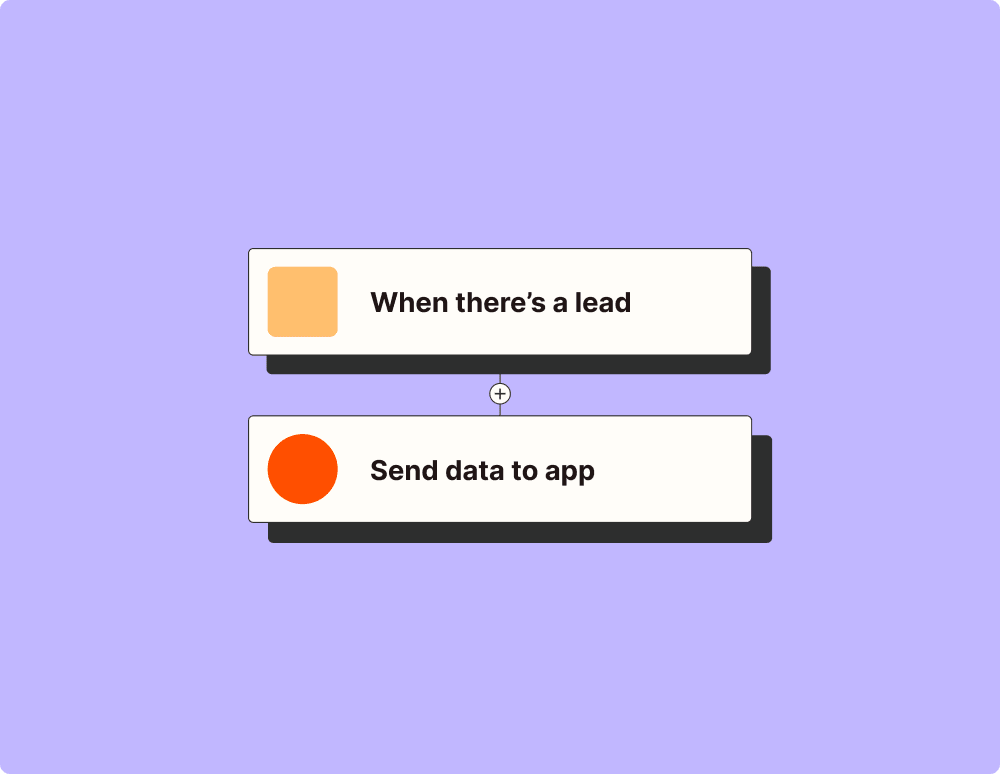
Automate your lead management and improve conversions
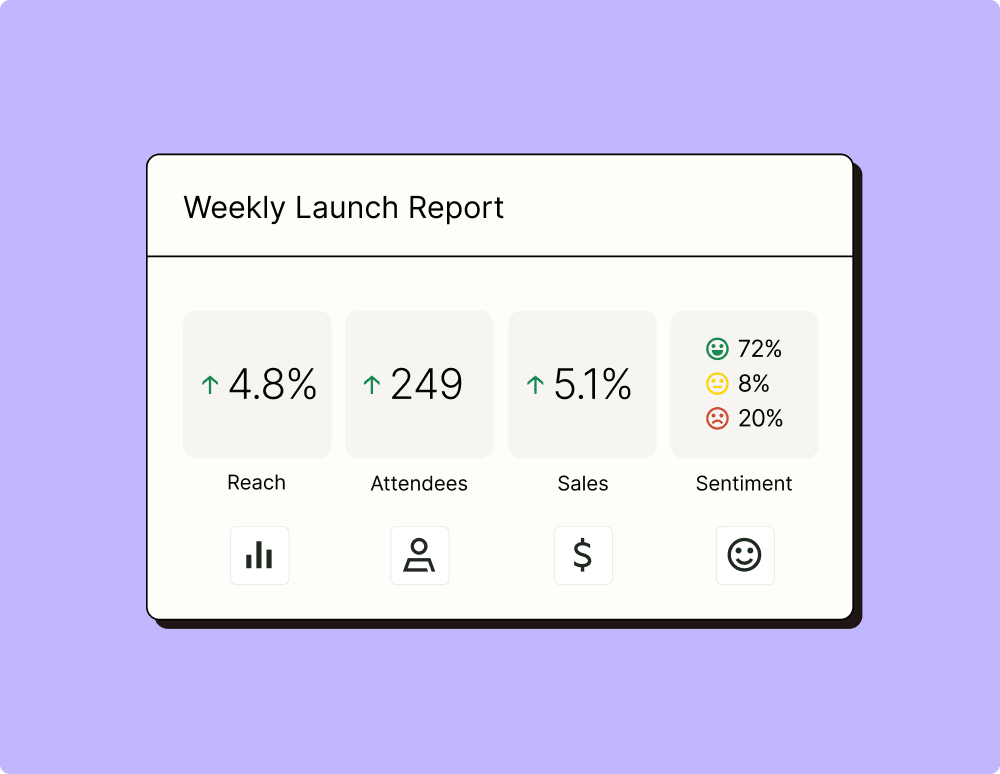
Create more impactful campaigns with automation
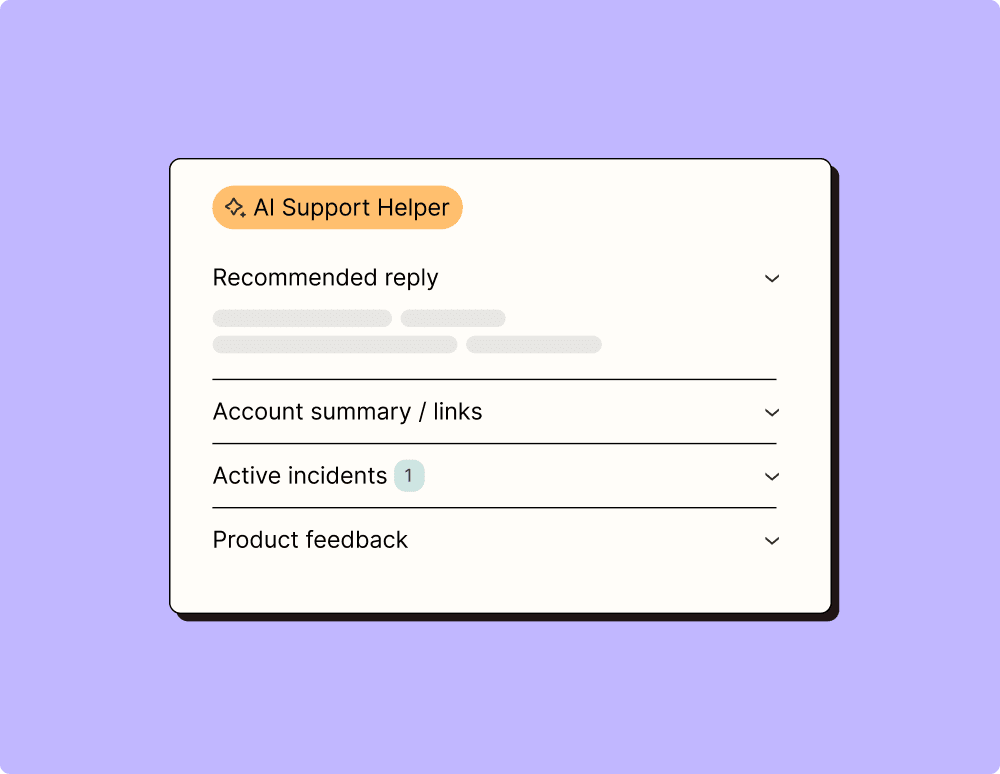
Provide world-class support with a little help from automation
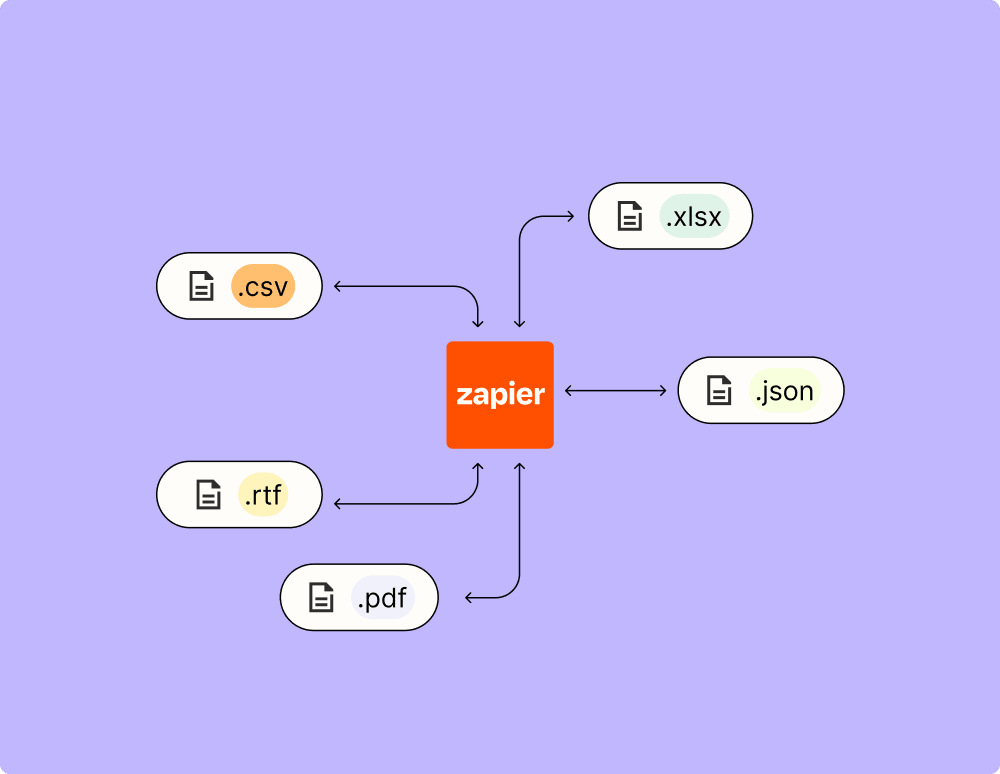
Automate your way to actionable, up-to-date data
Resolve incidents faster with automation
Learn how to automate Salesforce on the Zapier blog
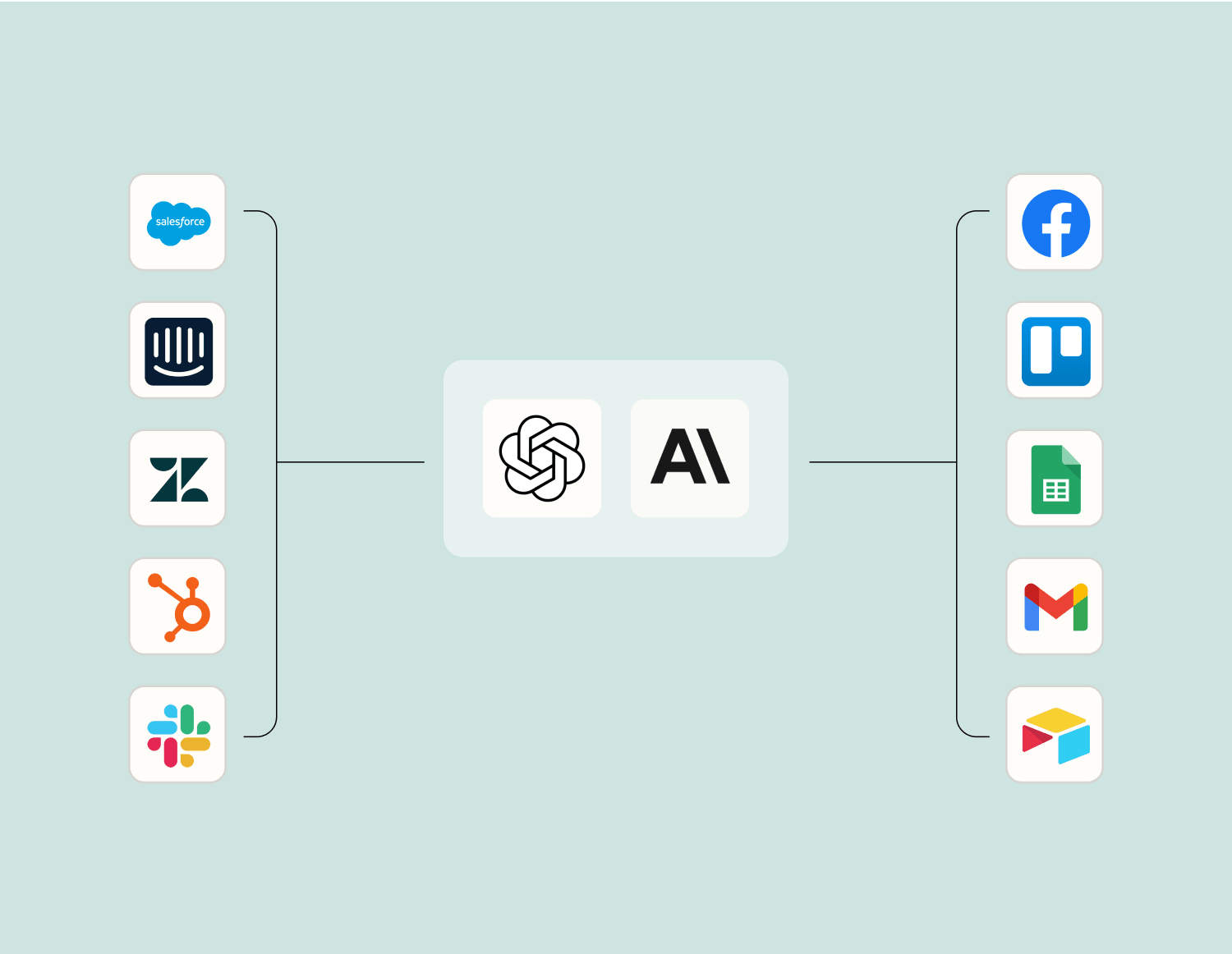
Make work flow with AI
Frequently Asked Questions about Harness + Salesforce integrations
New to automation with Zapier? You're not alone. Here are some answers to common questions about how Zapier works with Harness and Salesforce
What is required to set up an integration between Harness and Salesforce?
To set up the integration between Harness and Salesforce, you'll need admin access to your Salesforce account and API access enabled in Harness. Additionally, ensure that the correct permissions are granted for both systems to communicate effectively.
How can I trigger a deployment in Harness from a change in Salesforce?
You can trigger a deployment in Harness by setting up a webhook in Salesforce that listens for specific events, such as object updates. Once these conditions are met, the webhook will communicate with Harness to initiate the desired deployment process automatically.
Can we schedule deployments in Harness based any Salesforce events?
Yes, you can configure triggers within Harness that respond to events captured in Salesforce. By using Salesforce event types such as 'Opportunity Closed' or 'Lead Converted', you can schedule or trigger specific deployments automatically according to your defined workflow.
Is it possible to map fields from Salesforce opportunities into Harness parameters when running pipelines?
Yes, during setup, you can define mappings where fields from your Salesforce objects like opportunities are linked to parameter values within Harness pipelines. This ensures essential data is consistently utilized across systems during deployment processes.
How do we handle authentication when connecting our Salesforce and Harness environments?
Authentication typically involves using OAuth or API tokens depending on your security requirements. You'll need to securely store these credentials within our system settings, which enables API calls between both platforms without exposing sensitive information.
Are there any limitations on the types of actions we can automate between Salesforce and Harness?
There may be some constraints depending on API limitations or business logic needs. However, most standard actions like triggering builds, starting deployments based on leads status change, and updating records are fully supported by our integration capabilities.
Can we review deployment logs from within our Salesforce environment after an automated process has been triggered?
Not directly. To review detailed logs of deployments initiated from Salesforce actions, you must access them through the Harness interface where all pipeline execution details are available for auditing purposes.