Zapier vs. Boomi
Published: 9/16/2026 | By Ryan Kane
Boomi is built for centralized IT teams running integrations across ERPs, legacy systems, and regulated data—the kind of work that justifies a dedicated staff of developers and integration architects. Zapier is built for everyone else: the teams who have a real automation need today and can't wait for a spot in the IT backlog.
Here's what you'll get with Zapier:
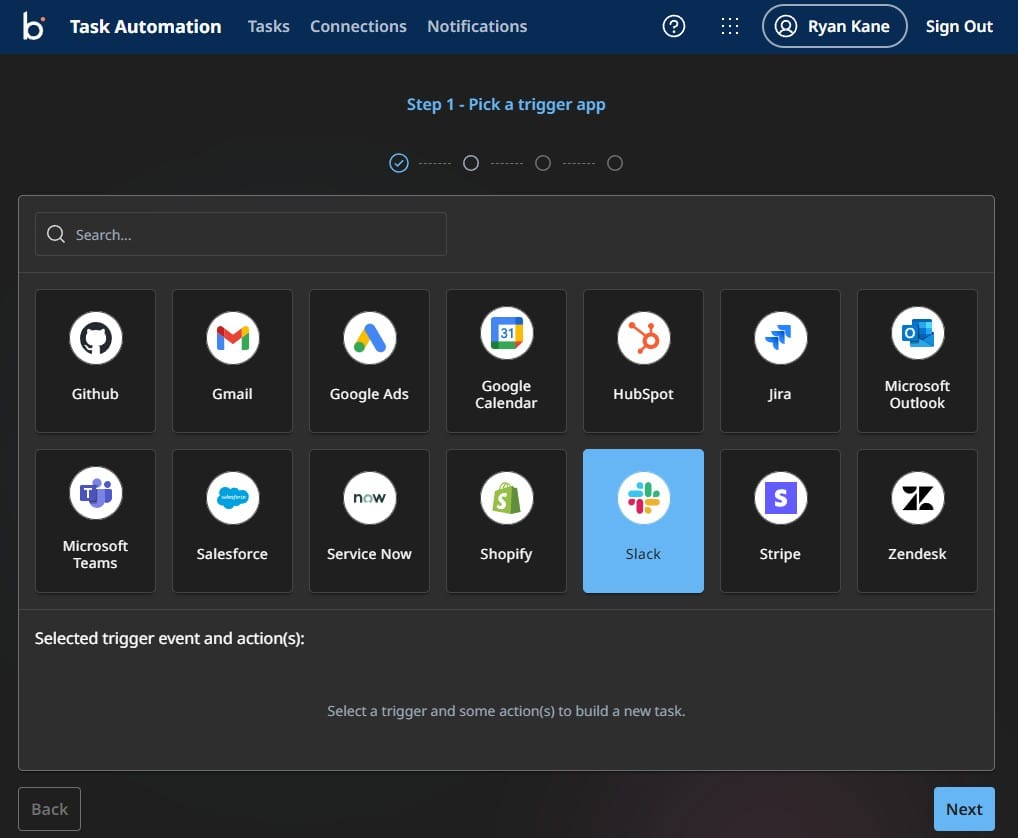
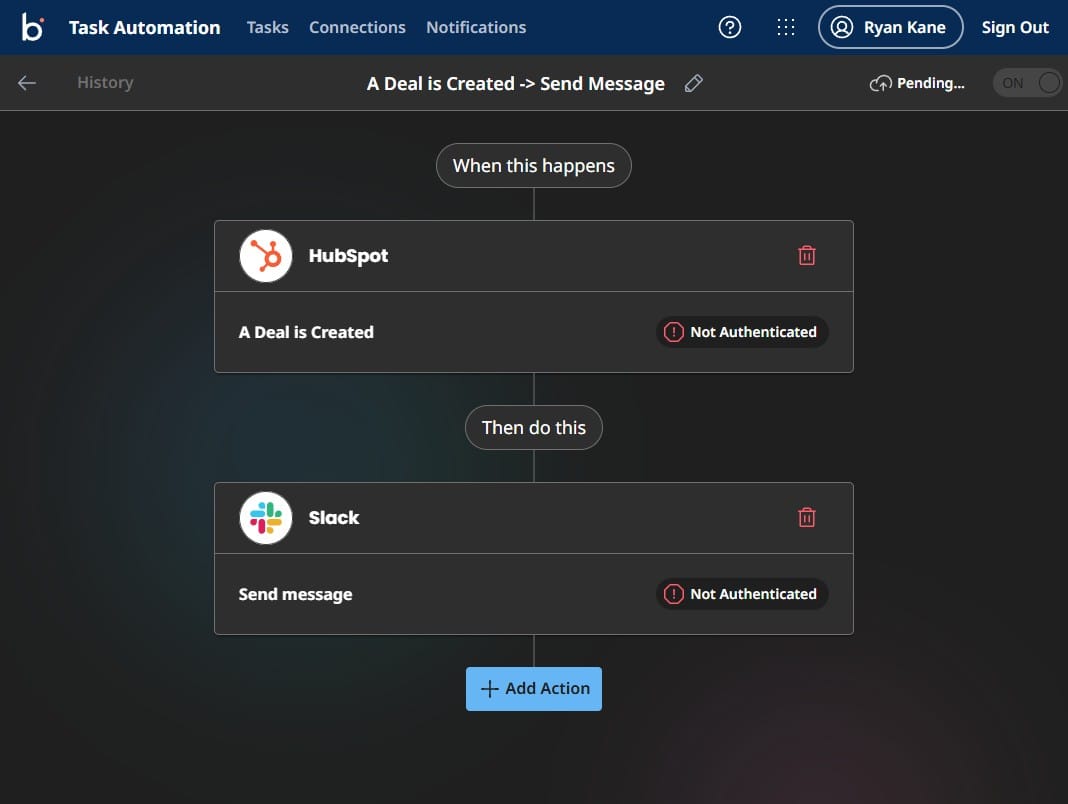
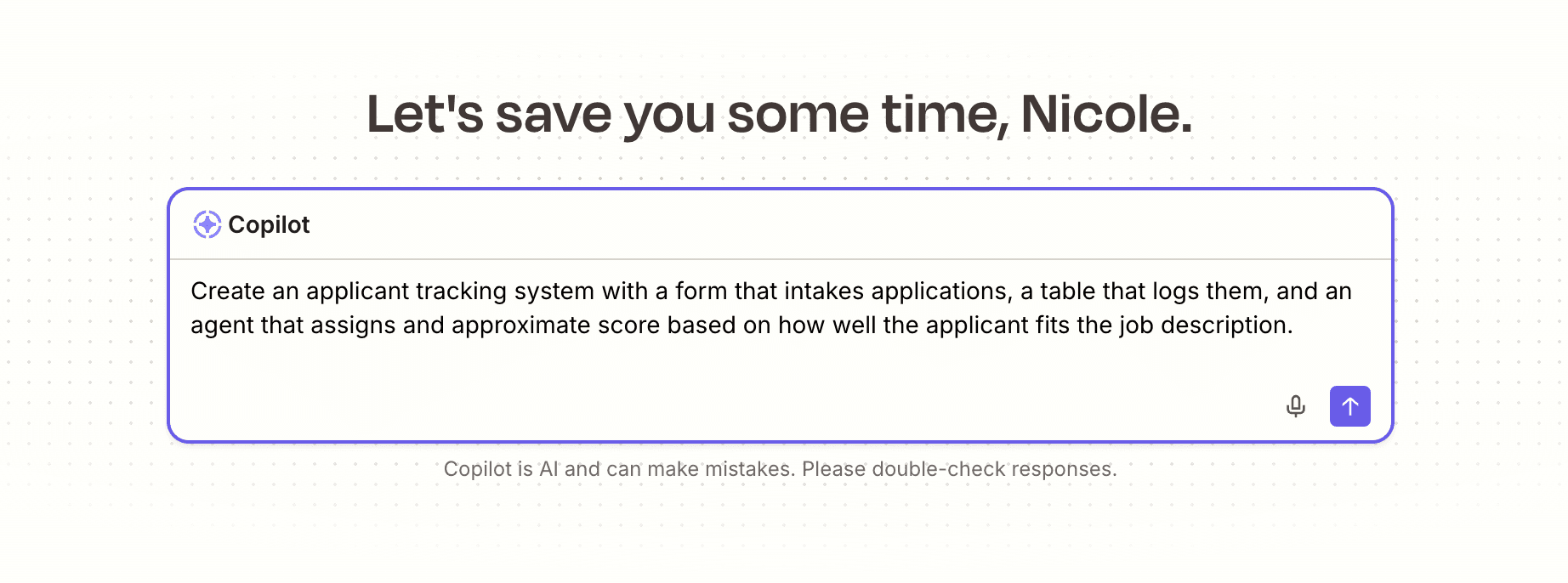
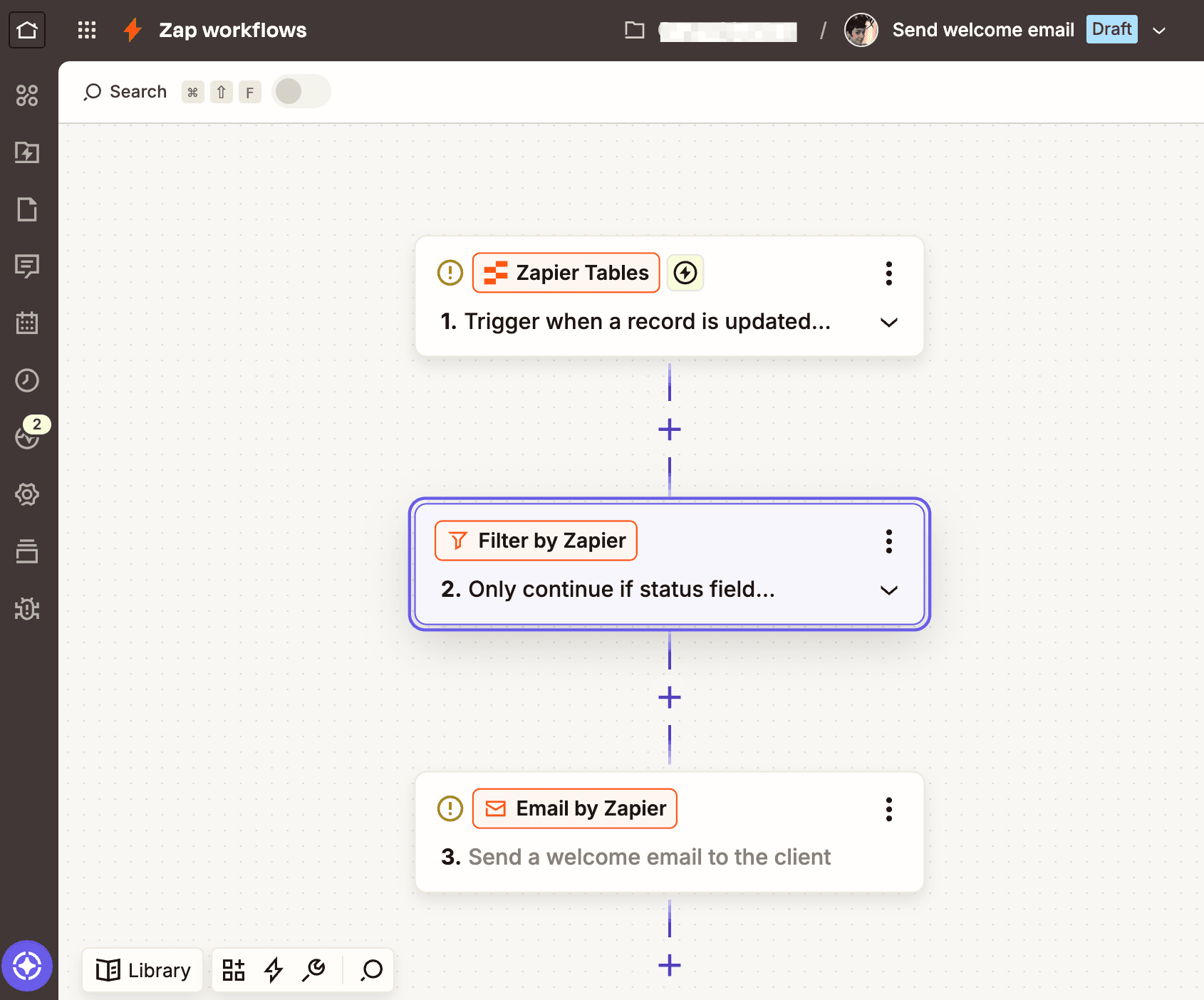
Build without a developer team: Anyone across an enterprise can create automations with Zapier's no-code editor, templates, and AI copilot; Boomi's no-code Task Automation tool tops out at around 30 apps with no branching logic, so real work still routes through developers and integration architects.
Skip the six-figure sales cycle: Start for free with just an email address, and scale as you need. Boomi's contracts typically run mid-five to six figures annually before you've built a single integration, and pricing climbs further depending on how many connectors you need.
Connect 8x more apps: 9,000+ integrations, governed by Zapier, compared with Boomi's roughly 1,000 connectors.
Vergleich
Compare Zapier and Boomi pricing, integrations, and more
Rezensionen
See why customers choose Zapier
Eigenschaften
Review Zapier and Boomi features in depth
Häufig gestellte Fragen
Get answers to your questions
Zapier vs. Boomi comparison
| Zapier | Boomi | |
|---|---|---|
| Überblick | Zapier is an AI orchestration platform that gives every team governed access to workflows and agents that connect apps across the whole organization. | Boomi is an enterprise iPaaS built for centralized IT planning, connecting ERPs, legacy systems, and B2B/EDI infrastructure at scale. |
| Enterprise & scale | Governed access to 9,000+ apps and AI tools for every team, with no shadow automations for IT to inventory later | Agentstudio governs AI agents across the organization, but Master Data Hub, B2B/EDI, API Management, and Event Streams all run through a dedicated IT team |
| Implementierung | Minutes to hours; sign up with just an email address | Multi-week learning curve; real projects require developers, integration architects, and DevOps engineers |
| Integrationen | 9,000+ apps; connections are automatically maintained | ~1,000 prebuilt connectors, concentrated in enterprise CRM, ERP, and data platforms; custom connectors require development work |
| Benutzerfreundlichkeit | No-code tools and an AI assistant let anyone launch automations and agents; Zapier MCP allows anyone across an enterprise to securely access their apps from their AI assistant | Low-code platform built for technical users; no-code Task Automation tool covers fewer than 30 apps with no branching logic; Boomi Connect offers governed MCP access to 1,000+ apps, but IT has to set it up first |
| Security & governance | SOC 2 Type II, SOC 3, GDPR, and CCPA certified, plus SAML SSO, audit logs, and role-based access control starting on the Team plan, with SCIM provisioning and app- and action-level restrictions added at Enterprise | SOC 2 Type II, SOC 3, ISO 27001, GDPR, CCPA, PCI DSS, FedRAMP, HIPAA, SSO, audit logs; on-premises and hybrid deployment options; AI guardrails |
| Preise | Usage-based starting at $19.99/month for solo users and $69/month for teams of up to 25 users; custom enterprise plans; free plan available | Contracts average mid-five to six figures annually; entry-level Pay-as-You-Go plan costs $99/month (plus $.05/message) but quickly gets expensive at scale; 30-day free trial available |
| Reliability & performance | Public status page, autoreplay, custom error handling, task histories, and version rollback included by default | Status page requires manual opt-in; configurable step-level retries require manual setup; SLA credits require filing a support ticket within 10 business days of an incident |
What customers say about Zapier
"Zapier has been so easy to learn that I've never hit any hiccups I couldn't solve. For auto-enrollment, we totally lean on Zapier to make it happen."
—Tabitha Jordan, Manager of Product Education, ActiveCampaign
Customer testimonial
"What I love most about Zapier is how easy it makes it to create automations. I also really like its databases, and I've tried the MCP as well—it's been incredible. I've experimented with other automation platforms, but Zapier is always the one I come back to because it feels so simple and intuitive to use."
—Laura O., Automation specialist
G2 review
"Zapier lets us prototype, launch, and adapt without waiting on dev cycles. It gives me control over how data flows, so we can move fast, but without breaking things."
—Uma Maheswari, Marketing Operations Manager, Muck Rack
Customer testimonial
"We're basically building the backbone of our entire customer experience with Zapier, and it's exciting to see how well it's scaled."
—Alicia Roberts, Key Account Sales Manager, Fellow
Customer testimonial
3,4 Millionen Unternehmen vertrauen uns



















AI automation starts and scales with Zapier
Build reliable, consistent workflows across tools, people, and processes. Access 9,000+ apps securely from any surface, and add AI to the mix only when you need it.
Compare features: Zapier vs. Boomi
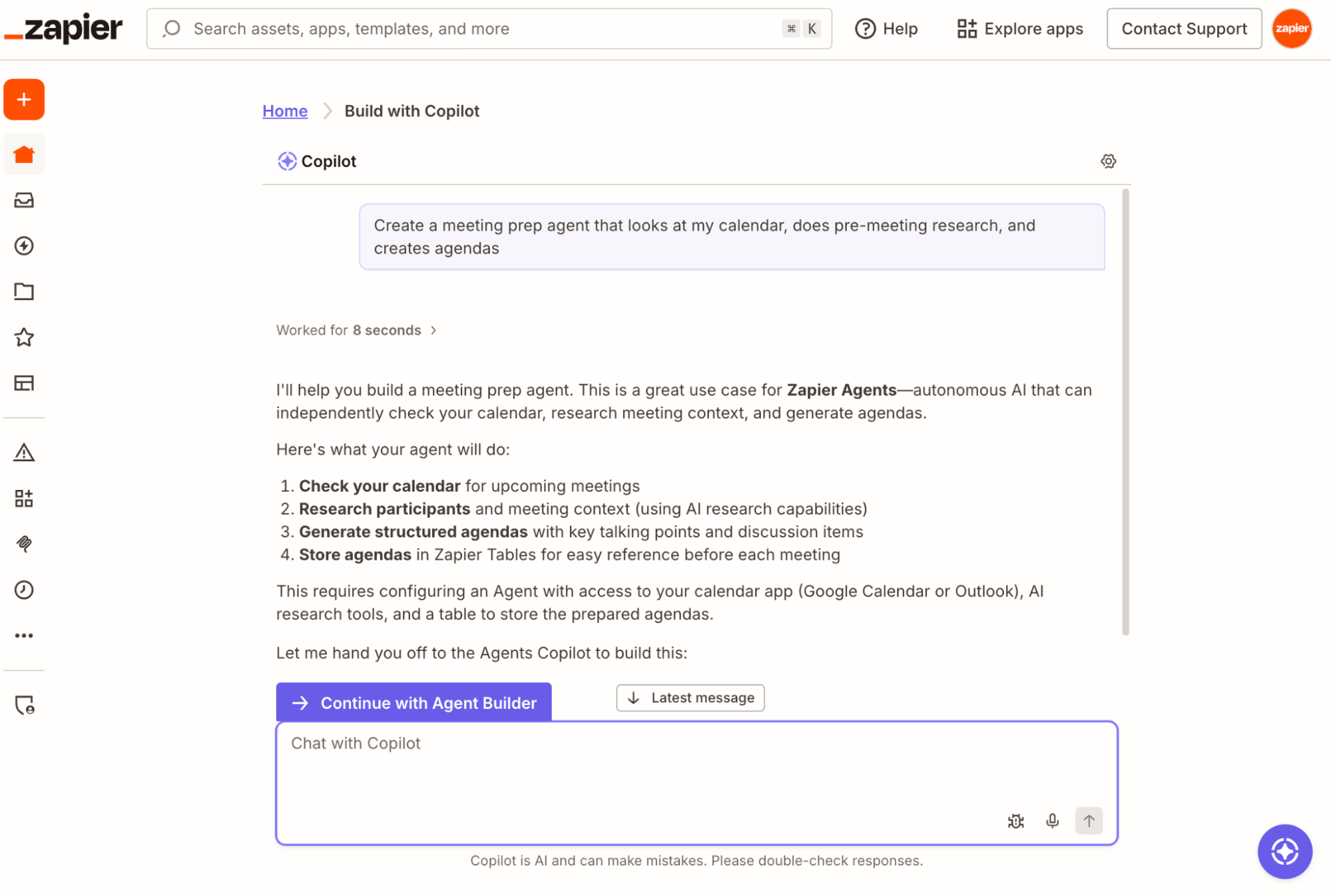
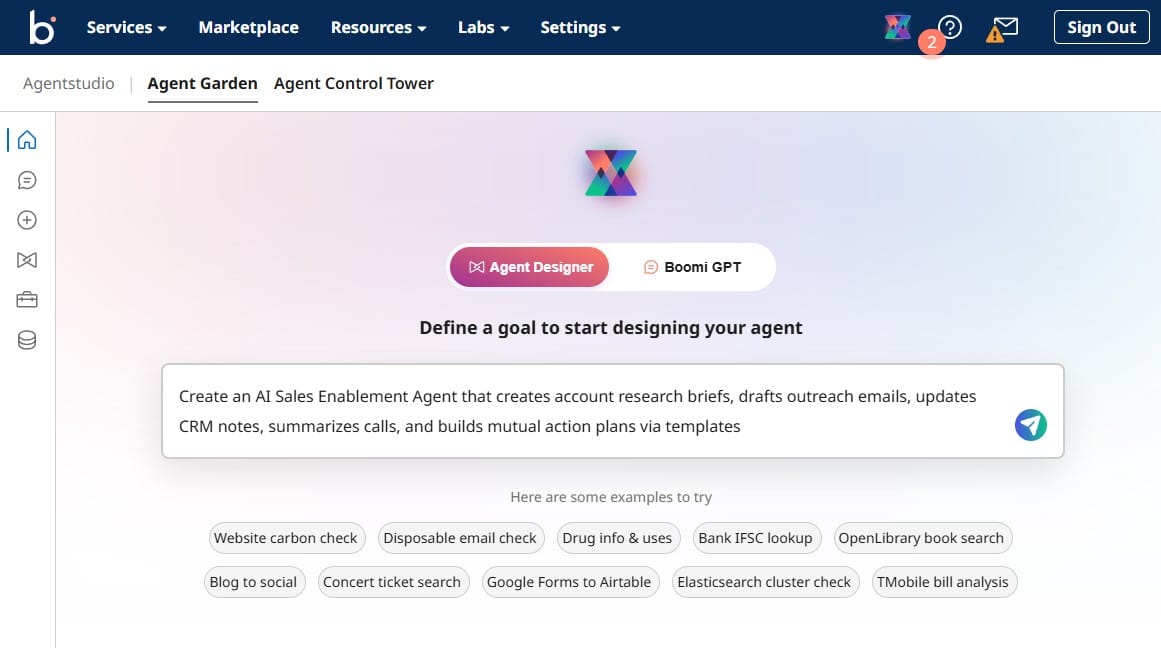
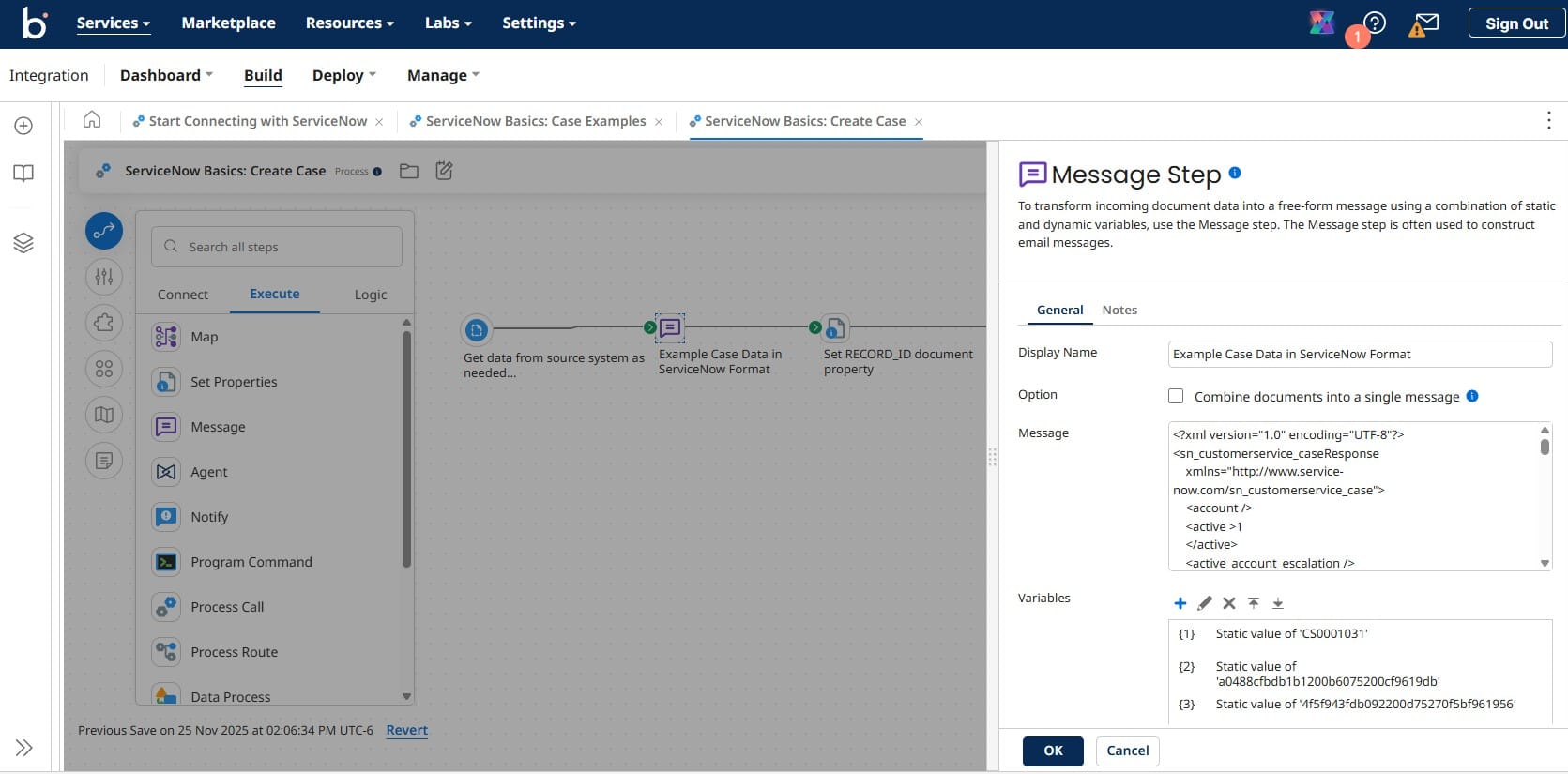
Both Zapier and Boomi can handle enterprise-scale automation, but they're built for different users. Boomi assumes a team of developers, integration architects, and DevOps engineers, while Zapier is built for anyone on your team, technical or not. I spent hours researching both platforms and doing as much hands-on testing as possible. Here's what I found about how Boomi and Zapier actually compare.
Enterprise & scale
Boomi and Zapier are often complementary. Enterprises use Boomi for heavy ERP-to-warehouse integrations, legacy connectivity, and on-premises data that can't move to the cloud. Zapier handles customer support workflows, marketing operations, sales automation, AI agents, and rapid experimentation and iteration.
Boomi is a powerful solution for connecting ERPs and legacy systems, especially when compliance with specific standards—like banking—is important. Boomi offers on-premises and hybrid deployment options, which is important for healthcare systems that need to comply with HIPAA, government agencies that require FedRAMP-certified systems, and financial institutions with strict compliance needs.
Zapier, on the other hand, is focused on cloud-to-cloud automation between modern SaaS apps. While there's no consistent on-premises or hybrid deployment available, Zapier's cloud-only architecture means infrastructure management, API updates, and security patches are all handled automatically and seamlessly.
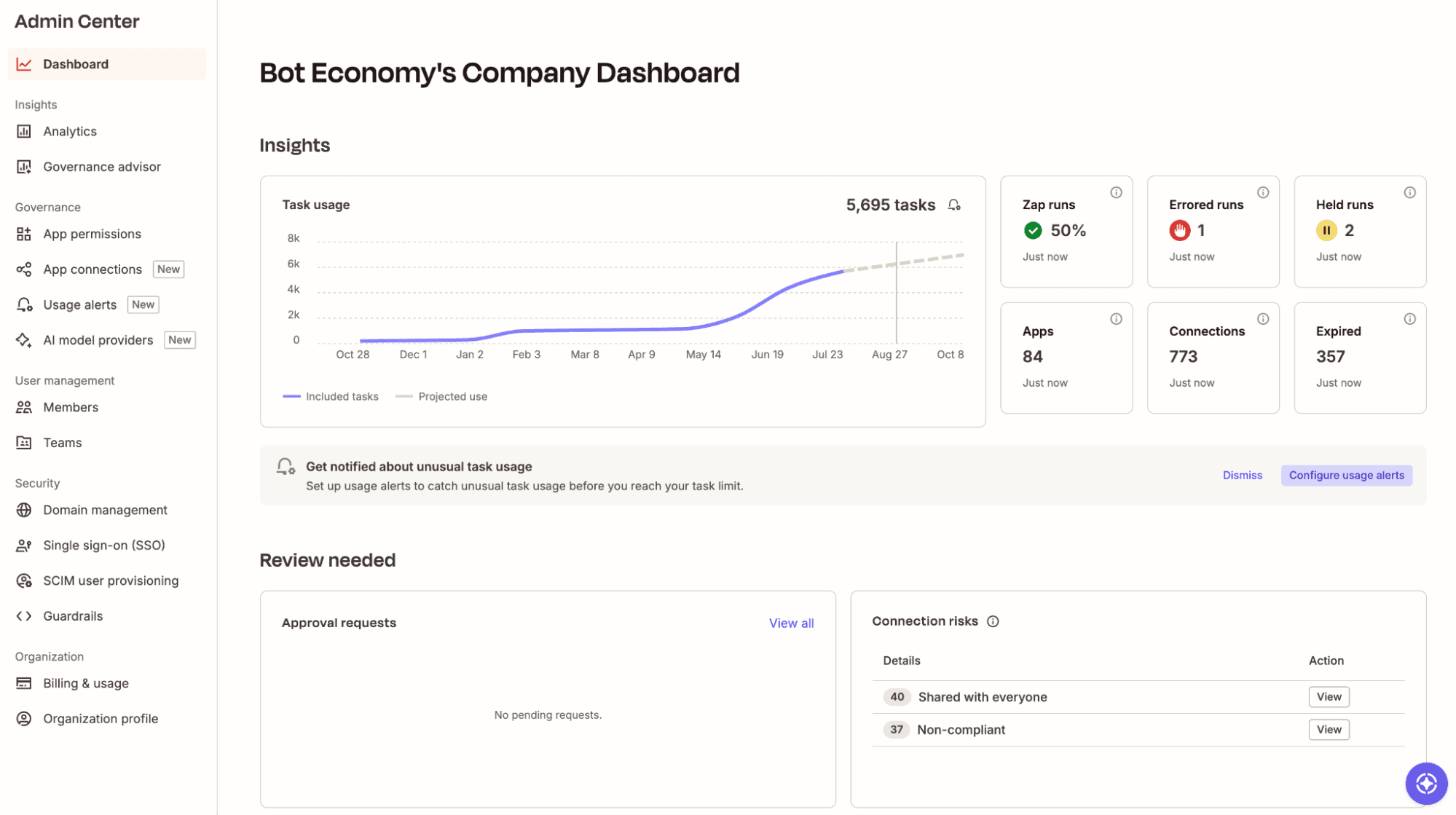
Zapier's accessibility and its massive selection of connected apps make it the default organization-wide automation tool at many enterprises. Jacob Sirrs, Vendasta's Marketing Operations Specialist, says, "We're using Zapier across marketing, revenue, support, and solutions architecture. It's embedded in every part of the business."
FAQ: Zapier vs. Boomi
Which is easier to implement: Zapier or Boomi?
Zapier, by a wide margin. Non-technical users can sign up, pick a template, and publish a working automation in minutes. Boomi expects a multi-week ramp-up: understanding its Atom/Molecule/Cloud architecture, working through 20+ hours of official training, and often relying on a developer or integration architect before you build a production-ready integration on your own.
Is Boomi or Zapier better for large IT teams?
It depends on what the IT team needs to do. Boomi is built for IT teams running core integration programs—ERP connections, B2B/EDI, and hybrid or legacy system access—where centralized control matters more than speed. Zapier is built so IT can set the guardrails once, then let every other department build its own automations inside them, which usually means fewer requests stuck in IT's queue in the first place.
How do implementation timelines compare?
Zapier's non-technical users can build and publish a working automation in an afternoon, often faster with Copilot or a template. Boomi's learning curve runs longer: its training partners estimate 20+ hours of dedicated study just to build simple integrations confidently, and real enterprise projects typically involve a dedicated developer or integration architect from the start.
How does Boomi pricing compare to Zapier?
Boomi doesn't publish enterprise pricing—contracts typically run mid-five to six figures annually depending on connector count and usage. Its self-serve Pay-as-You-Go plan starts at $99/month plus $0.05 per message, which gets expensive fast at high data volumes. Zapier publishes its pricing outright: free to start, $19.99/month for individuals, $69/month for a 25-user team, with custom Enterprise pricing once you need it.
When is Boomi the better choice?
Boomi makes sense for EDI-heavy B2B transactions, legacy system integrations that lack modern APIs, and enterprises with compliance needs like HIPAA or FedRAMP that require on-premises or hybrid deployment. If you have a dedicated team of developers and integration architects and your core need is centralizing IT-led integration work, Boomi's model can work well.
Is Boomi no longer owned by Dell?
Dell sold Boomi in 2021 to private equity firms Francisco Partners and TPG Capital, so it hasn't been a Dell subsidiary in several years. Boomi has continued operating and expanding independently since then, most recently repositioning itself around AI agent governance and what it calls "data activation," rather than leading with its Dell-era integration-platform branding.
AI automation starts and scales with Zapier
Build reliable, consistent workflows across tools, people, and processes. Access 9,000+ apps securely from any surface, and add AI to the mix only when you need it.
About the author: Ryan Kane is a writer and marketer based in Mérida, Mexico. He writes about SaaS, AI, and marketing while building fun Internet side projects. Learn more: ryankane.co.